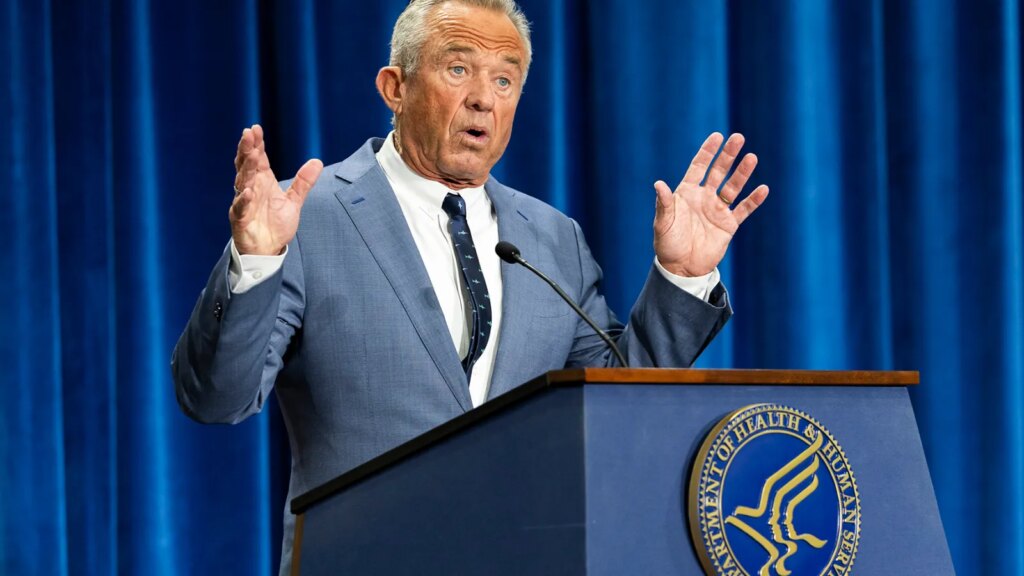
A highly controversial clinical trial for a hepatitis B vaccine in Guinea-Bissau, which garnered global condemnation and ethical scrutiny, has been officially halted. Initially supported by Health Secretary Robert F. Kennedy Jr. and backed by the Centers for Disease Control and Prevention (CDC), the scaled-down study aimed to administer the vaccine to half of 14,000 newborns. However, this initiative faced significant backlash, leading to resignations from a Danish ethics board and heavy media coverage from outlets like Rolling Stone.
The Halted Study and Its Ethical Implications
Frederik Schaltz-Buchholzer, a Danish researcher involved in the trial, announced on LinkedIn that the study would “not proceed” due to the lack of necessary government approval from Guinea-Bissau’s health authorities. Public health experts had expressed concerns, with some likening the trial to the infamous Tuskegee study, where treatment was withheld from study subjects, echoing fears of exploitation.
The lead researchers, Christine Stabell Benn and Peter Aaby from the University of Southern Denmark—which has been lauded by Kennedy for its research on vaccines—insisted that the trial would not deprive any child of the hepatitis B birth dose, which isn’t expected to become standard in Guinea-Bissau until 2028. They maintained that the trial would enhance access to the vaccine in a region where nearly one in five adults are infected with the disease.
Concerns Over Regulatory Oversight
The trial has been marred by allegations of regulatory shortcuts. Internal emails from the CDC highlighted the trial as a “funding priority” for Kennedy’s allies, which raised alarms about a rushed, no-bid contract that bypassed extensive ethical review processes. Critics feared that Kennedy intended to leverage the study to bolster his stance against the hepatitis B vaccine in the United States, despite its long-standing safety and efficacy record.
Even after a revision of the study’s protocol following criticism from the World Health Organization, ethical concerns remained. Experts indicated that leaving newborns unvaccinated could expose them to the risk of lifelong health issues, such as cirrhosis and liver cancer.
A Series of Ethical Failures
By the time the Guinea-Bissau government officially declined to approve the trial this week, it had already come to symbolize a grave lapse in medical ethics and financial oversight within the CDC. Dr. Debra Houry, a former chief medical officer at the CDC, remarked on the necessity of Congressional review, emphasizing that federal funds should prioritize genuine health threats.
Earlier this year, reports uncovered irregularities in the ethics review processes, including unauthorized use of signatures on official documents, prompting the University of Southern Denmark to terminate the trial.
Last-Minute Developments and Reactions
Despite an earlier plan to salvage the study, backed by emergency CDC funding intended for global health security, it remained burdened by scrutiny over its ethical approvals. A loophole in Danish law prevented a thorough review by both national and regional ethics committees, and comments from the Rector of the University of Southern Denmark reflected ongoing concerns about compliance with international ethical standards.
On October 7, Schaltz-Buchholzer defended the trial against negative media portrayal, stating it had been misrepresented as “Kennedy’s trial.” He described the study as one of the most valuable projects he’d worked on, despite significant ethical critiques from experts like bioethicist Seema Shah, who voiced concerns about the possible exploitation of vulnerable populations.