In the credits for the “Paranormal Activity” stage play currently running on the West End, viewers will spot the iconic name of Hammer, a legendary British production company known for its Gothic horror films. This collaboration with Blumhouse, which produced the original hit film franchise, marks a significant moment as Hammer revives its presence in modern horror, aiming to reclaim its status in the genre.
Reviving a Legacy
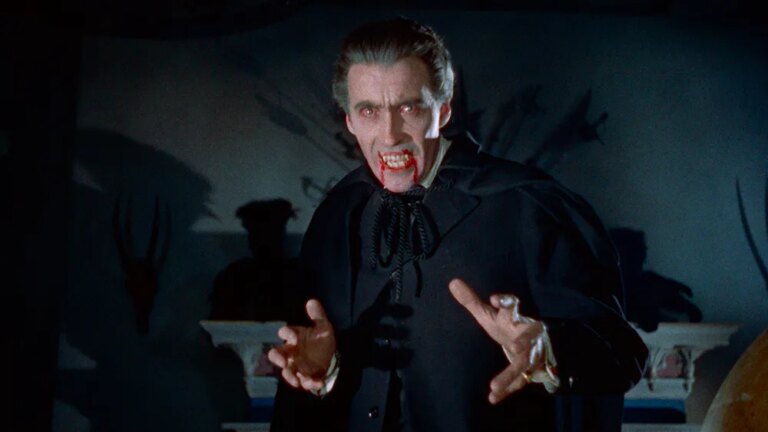
Founded in 1934, Hammer gained fame for its reimagining of classic monsters like Dracula and Frankenstein, featuring horror giants such as Peter Cushing and Christopher Lee in the lead roles. The films produced during the late 1950s, 60s, and early 70s have had a profound impact on subsequent filmmakers such as Guillermo del Toro, Tim Burton, and John Carpenter. Despite Hammer’s extensive history, it had no connection with the “Paranormal Activity” franchise — until now.
John Gore, the British theater entrepreneur behind the John Gore Organization, has set out to reestablish the Hammer legacy. After securing the nearly defunct brand in late 2023, he aspires to align it with contemporary horror icons. “Instead of my U.S. company, I put Hammer on it — because I thought we just have to have it there,” he explains, emphasizing his vision as a glimpse into the future for the storied studio.
A New Direction for Hammer
For Gore, revitalizing Hammer means tapping into its extensive catalog of classics. This week sees the release of a 4K restoration of its 1958 blockbuster “Dracula” in over 144 U.K. cinemas, set to premiere as “Horror of Dracula” in the U.S. Following this rollout, Hammer will support the Academy Museum’s exhibition “The Horror Show,” which will highlight the studio’s history.
Gore’s personal connection to Hammer’s films fuels his dedication. “I loved those films from a very young age,” he recalls, noting their immersive quality compared to earlier black-and-white horrors. This passion has prompted him to form John Gore Studios, which is producing multiple upcoming titles, including the period film “The Return of Stanley Atwell” and the biopic “The Duchess.”
A Bold Acquisition
Acquiring Hammer was both a major leap and a calculated risk for Gore, who describes the purchase as a near “blind acquisition” during a time of financial instability for the brand. Despite uncertainty about the value of the name, he was confident in his knowledge of Hammer’s catalog. “I knew the catalogue inside out, and was very happy with what we got,” he states.
To facilitate restoration, Gore strategically obtained Silver Salt Restoration, a company known for reviving classic films, and KFilm, enhancing Hammer’s distribution capabilities. Under the banner of John Gore Studios, Hammer’s forgotten reels now have the potential for revival.
Restorations and Future Projects
The first restored title, “Captain Kronos: Vampire Hunter,” was recently released, followed by the successful 4K version of “The Curse of Frankenstein.” However, Gore highlights “Dracula” as the quintessential project, calling it the “greatest Dracula film” ever made, particularly praising Christopher Lee’s portrayal. This restoration will feature previously censored footage, including a dramatic scene from the film’s climax that was only preserved in a Japanese version.
Plans for more Hammer restorations are underway, with discussions about fresh adaptations as well. Gore is particularly interested in exploring Hammer’s lesser-known titles for remakes, such as “Countess Dracula” and “The Devil Rides Out.” He considers bringing a new perspective to classic villains, suggesting that reimagining the often tragic portrayal of Frankenstein as a more villainous character could be a fascinating route to explore.
Future Goals and Aspirations
Enthusiasm abounds as Gore approaches the revival of Hammer, fueled by financial backing and a passion for the genre. As he looks to revive the brand, he recalls interest from notable directors like Martin Scorsese, who had expressed a desire to make a Hammer film in the past. “We actually have a letter from the 90s where Martin Scorsese wrote to Hammer saying, ‘I would love to make a Hammer film,” he shares, highlighting the legacy and potential of Hammer’s influential position in horror cinema.
John Gore’s commitment to bring Hammer back from the shadows reflects both reverence for its history and a visionary approach to its future. Whether he succeeds in reviving this cinematic institution remains to be seen, but one thing is certain: the legacy of Hammer Films is poised for a promising resurgence.