Six months have passed since the devastating wildfires swept through Los Angeles, and many residents are still grappling with the aftermath. While the flames may have subsided, the impact on the community remains profound. This ongoing struggle illustrates the remarkable resilience of those affected and highlights the continuous efforts of individuals and organizations working tirelessly to support recovery. Six months after the L.A. wildfires, here’s who’s still picking up the pieces.
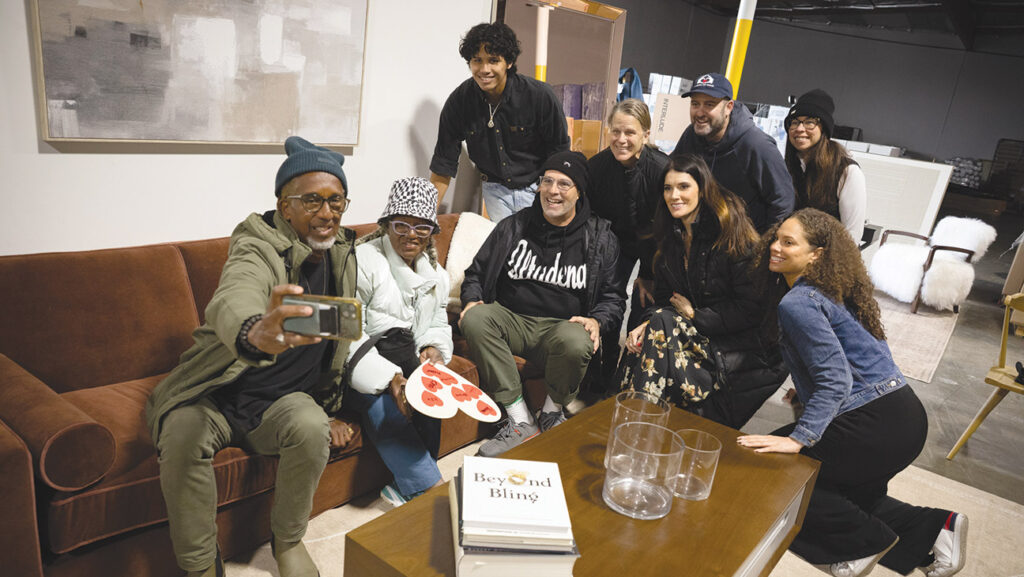
Like many Angelenos, Mark Duplass felt compelled to assist friends and neighbors displaced by the January wildfires. Alongside his wife, actor/filmmaker Katie Aselton, they mobilized their nonprofit, The Soul Points Fund, to distribute gift cards and fulfill Amazon wish lists for fire victims.
Despite the passing months, Duplass is surprised by the enduring need across the city as news coverage wanes and donations dwindle. “There are still so many people sleeping in tents on their burn sites or bopping around to hotels,” Duplass explains. “I thought at the six-month point we’d be much further along at helping people move into their permanent homes.”
Surge of Support in the Initial Aftermath
Nonprofit organizations experienced a wave of generosity immediately following the wildfires that claimed 30 lives, displaced 150,000 people, and destroyed over 16,000 homes and structures in L.A. Corporations and foundations responded swiftly. On the first day of the Palisades and Eaton fires, the Wasserman and Annenberg foundations donated $500,000 each to the LAFD Foundation.
Liz Lin, president of the LAFD Foundation, recalls the urgency: “What was unusual was the outpouring of support. Emotions were high. And we were there to say, ‘Help us help them.’” The funds were crucial for purchasing emergency shelters and essential equipment for firefighters.
Long-Term Needs Persist
Once the wildfires were contained after 24 days, the real challenges began for many. Rents soared despite anti-gouging laws, insurance payouts were slow, and even homes spared from complete destruction faced serious smoke and chemical damage, necessitating lengthy relocations. Meanwhile, the House of Representatives has yet to act on California Governor Gavin Newsom’s request for $40 billion in federal aid to rebuild essential infrastructure.
Philanthropic organizations continue to bridge the gap between existing needs and available resources. A Sense of Home adapted quickly, transforming from a nonprofit assisting young people transitioning from foster care into a disaster relief organization. They transformed donated warehouse space into a hub offering displaced individuals up to 330 essential household items, easing the emotional burden of loss.
Ongoing Support from Nonprofits
Organizations like A Sense of Home and Baby2Baby remain pivotal in addressing needs six months after the L.A. wildfires. A Sense of Home is furnishing about 20 homes weekly, supported by donations from companies like Living Spaces and Ruggable. However, challenges persist due to trade uncertainties affecting inventory availability.
Baby2Baby witnessed an influx of 20,000 new donors and $52 million in goods during the fires. Co-CEOs Kelly Sawyer Patricof and Norah Weinstein note the evolving needs: “Initially, families had lost everything… As months passed, there’s still a need for basics like diapers and food, but also for bigger items once they find permanent housing.”
Beyond practical aid, nonprofits like The Soul Points Fund are providing personal touches that resonate deeply. From sourcing a cherished lampshade abroad to replacing treasured record collections, they offer more than just material assistance. “On some days, I feel really good about what we’re able to do,” Duplass reflects. “And on other days, I feel like, ‘Are we actually able to put a dent in this massive crisis?’”
Six months after the L.A. wildfires, the spirit of those picking up the pieces remains unwavering. Through resilience and community support, hope continues to emerge from the ashes.