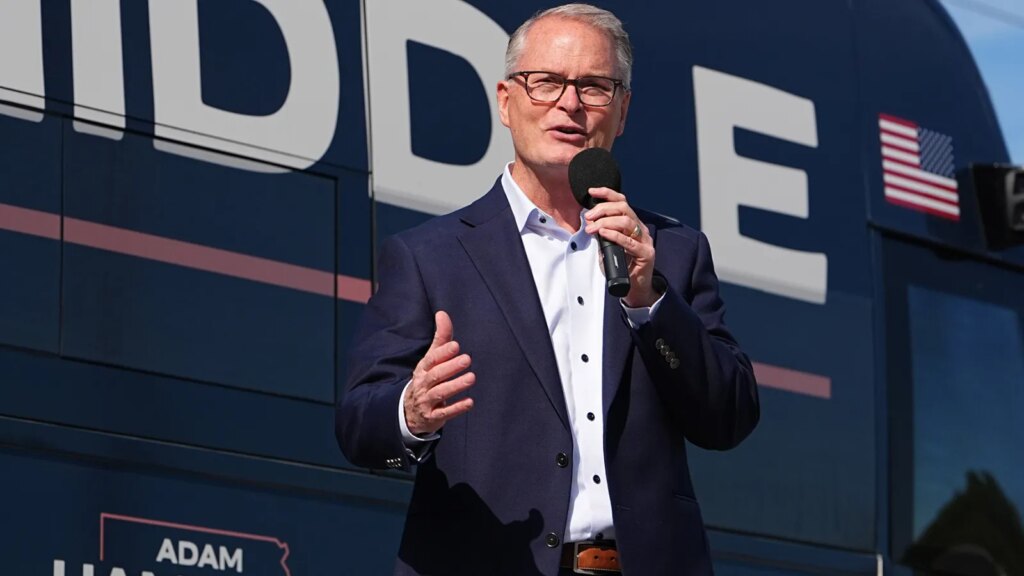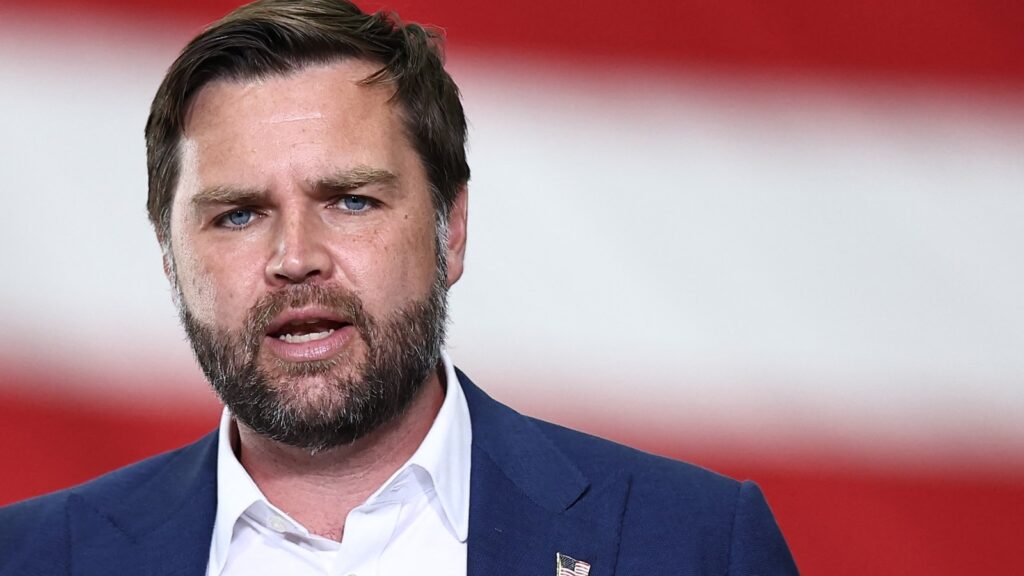
J.D. Vance’s recent media tour took a challenging turn when he attempted to sidestep journalists’ questions, resulting in an awkward series of interviews. As political question-dodging often backfires, Vance’s efforts have drawn significant attention. His attempts to navigate complex inquiries about Trump administration decisions were met with frustration from hosts, leading to some heated exchanges.
Chaotic Exchanges on Sunday Shows
During multiple Sunday morning show appearances, Vance encountered significant pushback, particularly during an interview with George Stephanopoulos on ABC’s This Week. The discussion centered on Trump Border Czar Tom Homan, who was implicated in a bribery investigation. Stephanopoulos asked about Homan’s alleged acceptance of a $50,000 cash bribe, but Vance deflected, labeling the claims a “ridiculous smear” and painting Homan as unjustly targeted.
The host pressed for clarity: “The White House border czar, Tom Homan, was recorded on an FBI surveillance tape in September 2024 accepting $50,000 in cash. Did he keep that money or give it back?” Stephanopoulos questioned. Vance’s evasive response led to an abrupt ending of the interview.
Steering Away from Clear Answers
Homan denied the allegations in a Fox News interview, yet did not explicitly refute accepting the money. Despite the Trump DOJ finding no criminal wrongdoing, Vance’s attempts to downplay the situation as a “left-wing rabbit hole” ended with a frustrated Stephanopoulos cutting to a commercial break.
Earlier in the same interview, Vance danced around questions regarding President Trump’s comments about Illinois Gov. J.B. Pritzker. The president suggested legal action against Pritzker for not protecting ICE officers, but Vance avoided directly supporting or opposing the claim.
Scrutinizing Government Actions
On NBC’s Meet the Press, Vance faced scrutiny over recent federal worker layoffs at the CDC amid a government shutdown. Host Kirsten Welker questioned the necessity of these layoffs during a shutdown. Vance asserted that layoffs were essential to preserve government benefits, a claim that contradicts typical shutdown protocols where employees are furloughed, not laid off.
His explanation drew skepticism, as it suggested a misunderstanding of shutdown procedures. He also attempted to place blame on Senate Minority Leader Chuck Schumer despite Schumer’s lack of authority over such decisions. Vance’s defense pointed to internal chaos attributed to a government impasse.
Ultimately, Vance’s attempts to evade journalists’ questions did not go as planned, leading to intensified scrutiny and curious responses from the public. As political and media dynamics continue to evolve, such encounters highlight the challenges faced by public figures in navigating transparency and accountability.