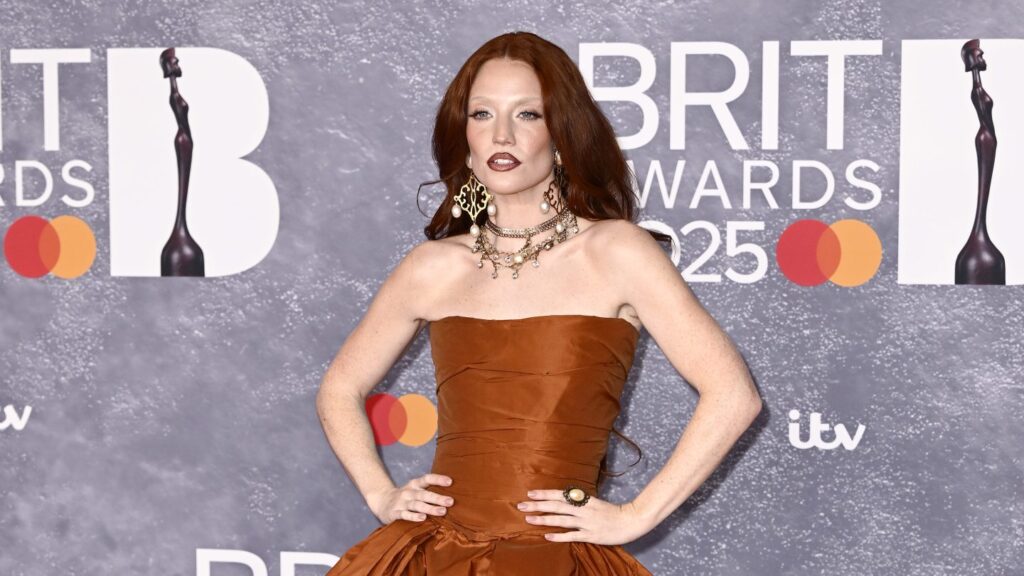
Jess Glynne, renowned for her uplifting music, has expressed strong disapproval over the White House‘s use of her song in a controversial deportation meme. The viral Jet2 holiday sound, associated with Glynne’s track “Hold My Hand,” was employed by the White House in a social media post satirizing mass deportations, sparking outrage from the artist. Glynne’s vocal criticism highlights the broader issue of political misuse of music, resonating with other artists who’ve faced similar situations.
The White House’s Controversial Meme
Recently, a video posted by the White House’s official X account stirred controversy. The video, depicting immigrant deportations, utilized the viral Jet2 holiday meme to deliver a satirical message. Typically used for humor, the meme featured a caption mirroring its well-known voiceover, presenting the situation as a ‘Jet2 holiday to deportation’ with a tagline, “Nothing beats it!”
Jess Glynne’s Response
Reacting to the post, Jess Glynne expressed her dismay on social media. The artist took to her Instagram Story, stating, “This honestly makes me sick.” She emphasized that her music is meant to promote “love, unity, and spreading positivity,” contrasting starkly with the divisive message portrayed by the meme.
Artists United Against Unauthorized Use
Glynne is not alone in her protest. In March, the rock band Semisonic criticized a similar scenario where their song “Closing Time” was used in a joint post by the White House and Border Patrol, depicting a man in handcuffs. The band clarified they did not authorize this use and highlighted how the song’s meaning of “joy and possibilities” was overshadowed.
Widespread Pushback in Political Campaigns
Unauthorized use of music in political contexts has been a recurring issue. During Donald Trump’s 2024 presidential campaign, various artists like Jack White, Sinéad O’Connor, Celine Dion, Foo Fighters, ABBA, and Beyoncé voiced their objections to the use of their music, underscoring a persistent conflict between artists’ intentions and political narratives.
Jess Glynne’s criticism sheds light on an ongoing challenge within the music industry, emphasizing the importance of respecting artists’ creative intentions and the messages their music is meant to convey.