In the evolving world of Hollywood publicity, a fascinating trend has emerged: press-shy stars are finding their voice through the intimacy and authenticity of podcasts. This shift marks a significant departure from traditional media, where celebrities often navigate a sea of repetitive questions and hectic schedules. The rise of podcasts provides these elusive figures with a platform to engage on their own terms, offering insights into both their professional and personal lives. This transformation underscores a broader change in how stars connect with their audiences and manage their public personas.
The New Comfort Zone
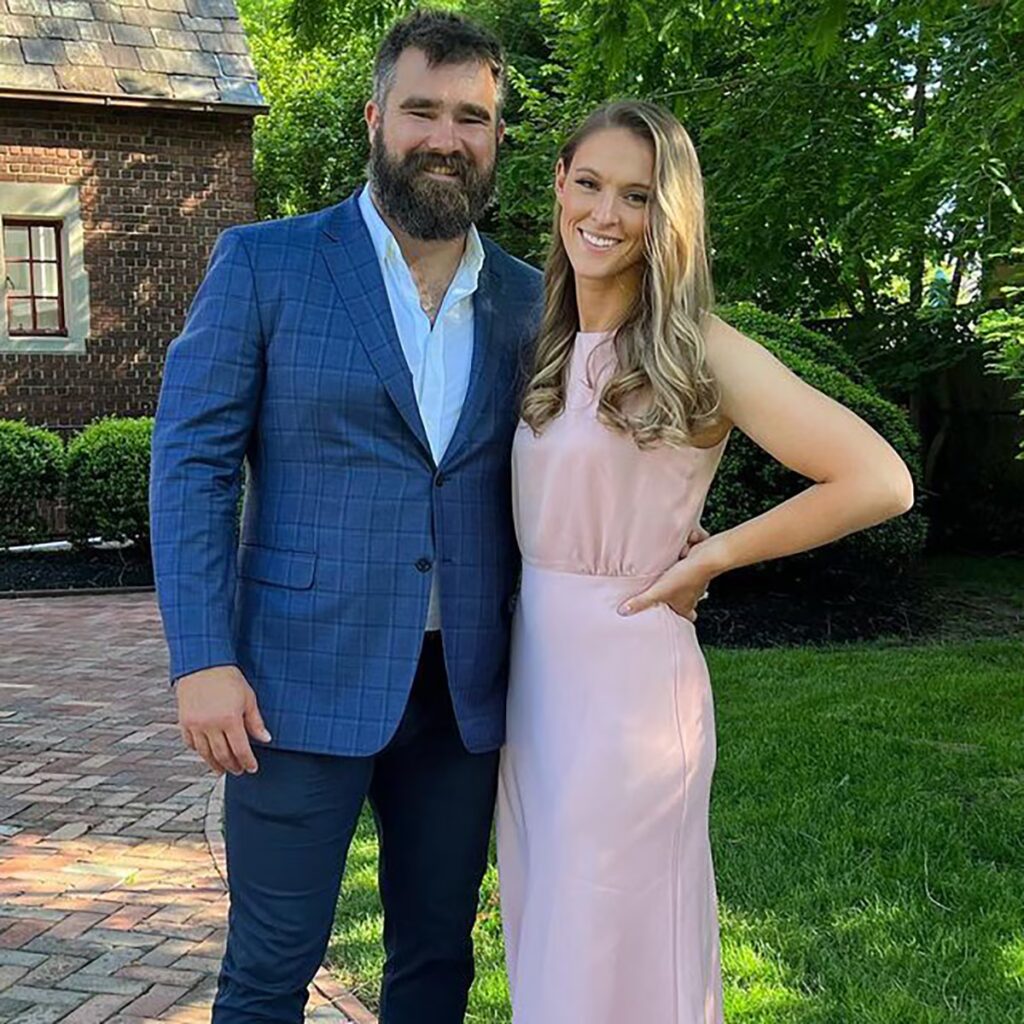
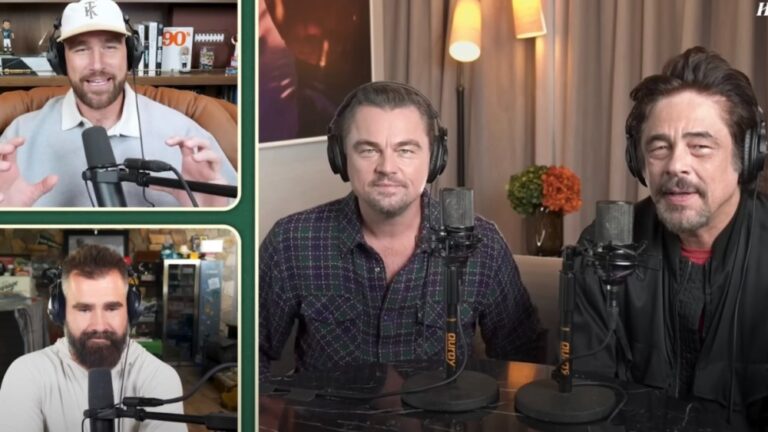
The shift from traditional media to podcasts offers a more relaxed and engaging environment for press-shy celebrities. Figures like Leonardo DiCaprio, known for avoiding typical media circuits, have found a new comfort zone in podcasts. DiCaprio recently appeared on Travis and Jason Kelce’s “New Heights” podcast, discussing not only his latest film but also sharing personal anecdotes, such as his agent’s early career advice. This type of candid conversation is rarely seen in press junkets.
Similarly, Joaquin Phoenix, who often shuns conventional publicity, joined Theo Von’s podcast for a discussion that felt more genuine than obligatory. Podcasts allow these stars to share personal stories and opinions without the constraints of traditional media formats, giving them a chance to connect with their audience in a more meaningful way.
A Strategic Pivot
This embrace of podcasts represents more than just a media evolution; it’s a strategic pivot toward capturing key demographics. The young male listeners of many celebrity-hosted shows are precisely the audience studios hope to lure back into theaters. This pattern extends beyond Hollywood, with political and business figures also leveraging podcasts to shape public discourse. The indirect, yet powerful, influence of figures like Joe Rogan highlights this platform’s growing role in society.
The Podcast Paradox
Despite their appeal, podcasts come with their own set of challenges. While they promise authentic dialogue, they often lack the journalistic rigor of traditional media. These conversations are typically collaborative, allowing guests to present a polished version of themselves. This can limit the depth and authenticity of the discussion, though it also provides a space for stars to express themselves without fear of being cornered.
This approach is attractive to stars who value privacy. For example, Beyoncé has avoided traditional interviews for years, opting instead for personal essays and controlled public appearances. The podcast format gives similar leeway, allowing stars to manage their narrative while engaging with audiences on a more personal level.
The Balance of Authenticity
The success of celebrity appearances on podcasts, like that of DiCaprio, indicates a strong audience desire for genuine connection with stars. This delicate balance between maintaining privacy and engaging with fans reflects broader questions about the nature of celebrity and the shifting landscape of media. As the lines between public and private continue to blur, the podcast format offers a unique space for stars to navigate these challenges.
Ultimately, the blend of podcasts and traditional media could provide a more holistic approach to celebrity engagement, offering both intimacy and depth. The evolution of this dynamic suggests a future where stars can maintain their privacy while still fostering a meaningful connection with their audience.