In an era where artificial intelligence plays an increasingly pivotal role in our daily lives, a thought-provoking project titled “Searching for SmarterChild” seeks to explore a curious phenomenon: why do we often express aggression towards AI chatbots and should we consider apologizing for such behavior? This inquiry took center stage at the Ji.hlava Documentary Film Festival, where “Searching for SmarterChild” was honored with the New Visions Award for the most promising U.S. project.
Unpacking Our Relationship with AI
Co-directed by Zan Gillies and Pulitzer Prize-winning journalist Lindsey Sitz, and produced by Erin Williams-Weir, the documentary reflects on our multifaceted relationship with AI. At its heart, the film aims to answer the question, “What does our relationship with artificial intelligence reveal about ourselves?” Gillies points out that, despite the rapid evolution of chat technology since the early days of the internet, the fundamental issues regarding our interactions with AI remain strikingly consistent.
Revisiting SmarterChild
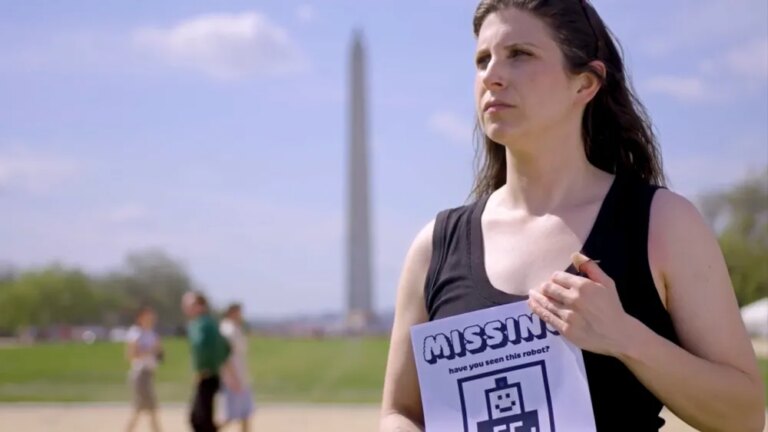
For context, SmarterChild was one of North America’s first popular chatbots, engaging around 3 million users through platforms like AOL and Yahoo. Many users engaged with the bot in distinctly rude ways, often venting their frustrations and insults. “We went out to San Francisco and interviewed people on the street to see if they remembered SmarterChild and to see if they had said something they wanted to apologize for,” Gillies explained, recounting how one individual admitted, “Oh yeah – I was so mean to that bot.”
Global Patterns of Abuse
Gillies discovered that such behavior was not limited to North America; similar patterns were observed worldwide. Users in South Korea and other regions displayed comparable tendencies to insult interacting with chat platforms, highlighting a universal inclination towards negativity when communicating with robots. “A lot of us just have this initial tendency to, uh, be mean to robots,” Gillies noted.
A Journey of Reflection
The filmmakers began their project after realizing that both had, in their youth, used SmarterChild and had treated the bot harshly. Early interactions with SmarterChild often took a hostile turn; for example, when it inquired about users’ hobbies, responses could range from benign to outright aggressive, such as “Setting YOU on fire.” Remarkably, Gillies discovered that some of these exact interactions had been logged and archived by the SmarterChild development team.
Behind the Scenes of chatbot Development
According to Gillies, the engineers behind SmarterChild were caught off guard by the amount of abuse their creation received. In response, they convened emergency meetings and implemented a rating system for insults. They modified SmarterChild to detect rude language and respond with warnings, and in some cases, the bot could temporarily shut down until an apology was issued. “I thought that was the funniest thing,” Gillies remarked on discovering this feature during research for the documentary.
Future Interviews and Financing
To date, the filmmakers have collected interviews with key members from both the West Coast and East Coast teams who contributed to SmarterChild’s development prior to its acquisition by Microsoft and subsequent dissolution. With approximately $18,000 raised through crowdfunding platforms, Gillies and Sitz plan to secure further funding to cover the project’s full budget. They aspire to interview expert voices in human-AI interactions, including a notable figure in conflict resolution who specializes in the psychology of apologies.
Continuing the Conversation
As the project unfolds, Gillies and Sitz aim to incorporate various perspectives, including insights from chatbot expert Lauren Kunze, CEO of Pandorabots, who has extensively researched the cognitive impacts of AI interactions. They also plan an engaging sequence featuring a rebuilt SmarterChild bot, creating an opportunity to revisit the emotional landscape of our interactions with artificial intelligence.