Feels like I’m getting overlooked
PinkPantheress boldly addresses the reluctance surrounding electronic music created by Black women, shedding light on the biases that can overshadow even the most talented artists. The British singer, known for her hit “Boy’s a liar,” speaks candidly about feeling overlooked in a space that often fails to recognize the unique contributions of Black women in the electronic scene.
The Silent Struggle in the Electronic Scene
PinkPantheress isn’t merely a rising star in pop-electronic music; she’s also a voice for those who resonate with her experience of being overlooked. In a revealing interview with The Hollywood Reporter, she articulated her frustrations, stating, “People are less willing to listen to electronic music that is made by a Black woman. That’s just fact.” Her sentiments encapsulate a wider issue: the challenges Black women face in gaining the recognition they deserve within an industry often colored by biases.
Breaking Through the Invisible Barriers
Despite achieving significant milestones—such as viral hits, industry awards, and prestigious collaborations—PinkPantheress feels like she’s navigating an uphill battle for full acknowledgment. “I’m getting overlooked … because a lot of people don’t necessarily understand what I represent, nor do they want to take a look,” she explained, highlighting how notions of genre can stifle appreciation for her work. Her experience serves as a reflection of a broader trend where electronic music by Black women often struggles for visibility and acceptance.
A Rich Soundscape Rooted in Personal Experience
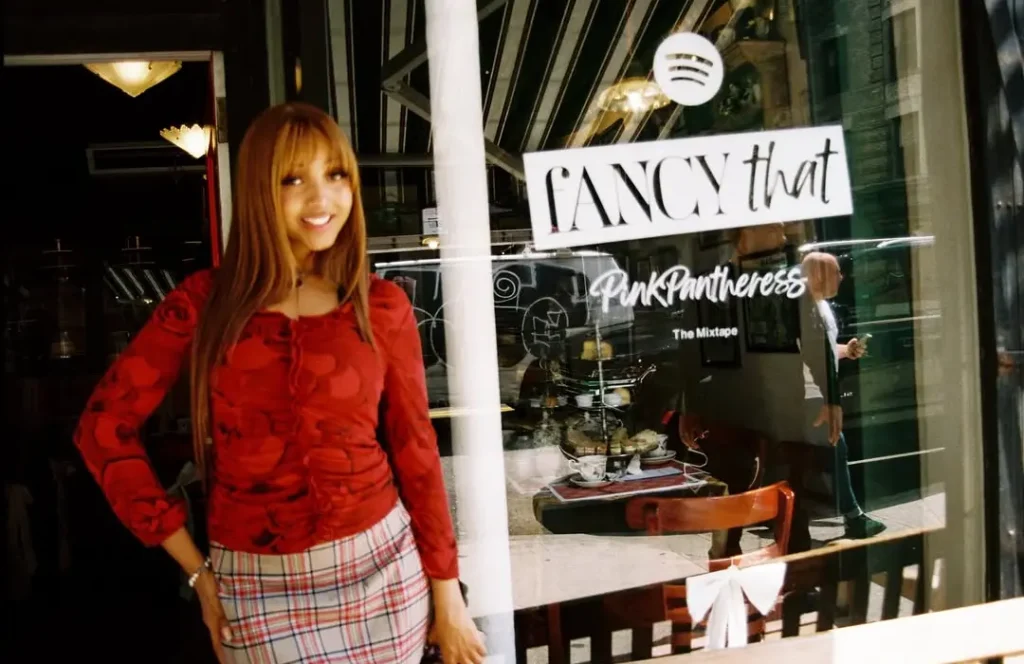
Born Victoria Walker in Kent, England, PinkPantheress has adeptly blended her influences from UK garage, drum and bass, and R&B into a distinctive alt-pop sound. Her career exploded with the release of her mixtape, *To Hell with It*, in 2021, followed by *Heaven Knows* in 2023, and *Fancy That* earlier this year—each project garnering both critical acclaim and dedicated fan affection. Despite being named Billboard Women in Music’s Producer of the Year in 2024, she still grapples with the industry’s tendency to overlook her contributions. Her insight isn’t steeped in self-victimization; rather, she is challenging the status quo: “Once you like it,” she quips, “you’ll realize: why didn’t I give her a chance in the first place?”
Hope for Greater Visibility
While PinkPantheress is not the first Black woman to navigate the electronic music landscape, the visibility of artists like her remains sparse. She points to peers like Kelela who have carved out spaces in a traditionally exclusive genre, emphasizing the imperative for broader representation. Reflecting on her inspirations, PinkPantheress mentions seeing M.I.A. as one of the rare successful figures in alternative electronic music and wonders why that legacy isn’t more prevalent today. She recognizes how mainstream culture tends to pigeonhole Black women into R&B or soul, leaving little room for innovation in styles like drum and bass or electronica. Her own artistic path is a testament to the fact that the pop star mold is not one-size-fits-all.
In a world programmed for rapid consumption, PinkPantheress embraces short, engaging tracks designed for platforms like TikTok—each under three minutes yet rich in atmosphere and intention. Her approach challenges the industry norms, proving that remarkable music transcends the confines of genre conformity. By owning her identity and prioritizing authenticity, PinkPantheress is not just making music; she is reshaping the narrative for Black women in electronic music, affirming that their success is not an anomaly but a well-deserved recognition long overdue.