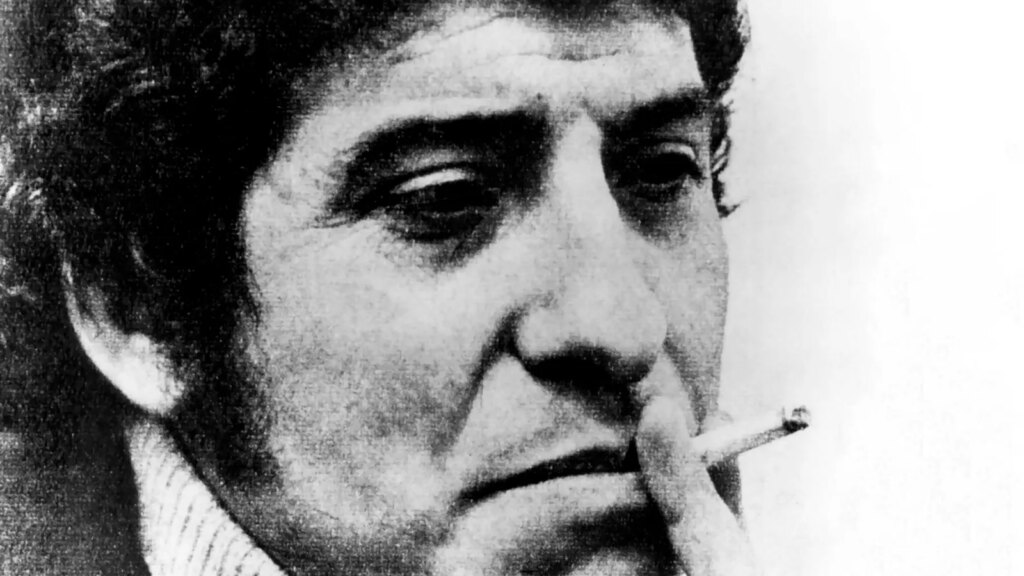
The enduring power of music as a force against oppression becomes particularly clear when examining the legacy of Víctor Jara. As a prominent figure whose life and work were entwined with the struggle for democracy, Jara’s tragic fate under Chile‘s authoritarian regime is both a symbol of repression and a beacon of resistance. Today, the impact of protest music resonates globally, reflecting its vital role in challenging authoritarianism and inspiring movements for justice and change.
The Silencing of Víctor Jara
In the chaotic days following Chile’s military coup on September 11, 1973, Víctor Jara was detained and brought to Estadio Chile, which had been transformed into a detention center by Pinochet’s regime. There, amidst the widespread brutality, Jara was tortured and ultimately killed. His torturers shattered his hands, mocking him and daring him to play his guitar—a harrowing attempt to silence his influential voice. As a musician deeply connected with the aspirations of the working class, silencing Jara was intended to stifle a growing cry for democracy and justice.
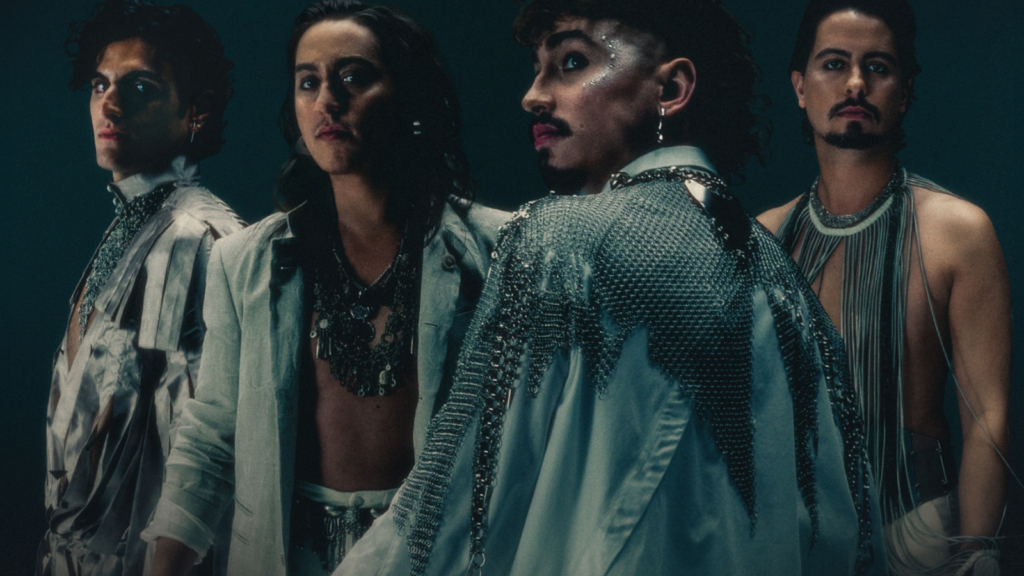
Despite this cruelty, Jara’s music endured. Although his life was violently cut short, his songs continued to inspire through recordings and collective memory. The stadium where he met his untimely death was later named in his honor, a testament to the enduring power of his legacy. His influence reaches far beyond Chile, as artists like Joan Baez, Bruce Springsteen, and Bad Bunny have kept his spirit alive in their performances.
Legal Battles and Delayed Justice
True accountability can be elusive under authoritarian regimes, often arriving only after significant time has passed. This was the case for Jara, whose family pursued justice for decades. With the help of the Center for Justice and Accountability, they filed a civil case in the U.S. District Court for the Middle District of Florida against the lieutenant responsible for his death. Under legal instruments such as the Alien Tort Statute and Torture Victim Protection Act, they sought reparation for Jara’s arbitrary detention, torture, and extrajudicial killing.
Although delayed, the eventual legal proceedings solidified an important recognition of the atrocities committed. The legal system held those responsible accountable, serving as a significant step towards bringing to light the wrongdoings of authoritarian regimes. This move toward justice affirmed the historical truth of Jara’s story and preserved his narrative against denial and forgetfulness.
Protest Music and Authoritarian Fear
Authoritarian regimes have consistently feared the profound impact of protest music. By banning performances and persecuting musicians, these regimes aim to suppress the powerful call to action that music represents. Across various times and locations, from apartheid South Africa’s Miriam Makeba to Greece’s Mikis Theodorakis, the suppression of musicians underscores a shared anxiety inherent in authoritarian governance: the threat posed by unified dissent.
Recent events show that the fear of music’s cohesive power continues. Artists like Nûdem Durak in Turkey, Ablajan Awut Ayup in China, and Pussy Riot in Russia have faced prosecution due to their politically charged lyrics and performances. These actions reveal how authoritarianism relies on creating division and fear, while protest music acts as a unifying force that fosters resistance and solidarity.
The Everlasting Impact of Powerful Melodies
Music’s pervasive resonance lies in its ability to transcend time and context, becoming an enduring symbol of resistance. Songs written in earlier conflicts often find new life during contemporary struggles. This is exemplified by songs like “Killing in the Name” by Rage Against the Machine, which remain profoundly relevant as anthems against systemic injustice.
Protest music teaches individuals to perceive themselves within a larger movement, fostering a sense of community and resistance. When paired with legal actions, as seen in Jara’s case, music and law together preserve history, demand justice, and inspire future generations to continue the fight for human rights.
Today, as we reflect on Víctor Jara’s legacy, it’s clear that music’s role in opposing authoritarianism is as crucial now as it was then. The echo of his song continues to inspire a world that yearns for liberty and justice, proving that the voice of resistance cannot be truly silenced.