The transformation of the White House under President Trump into a ‘branded estate’ symbolizes both a dramatic shift in the building’s traditional identity and a controversial approach to governance. From large-scale renovations to aesthetic changes reflecting personal branding, these developments spark debate around historical preservation and the influence of private interests in public spaces.
The Unveiling of a Branded Vision
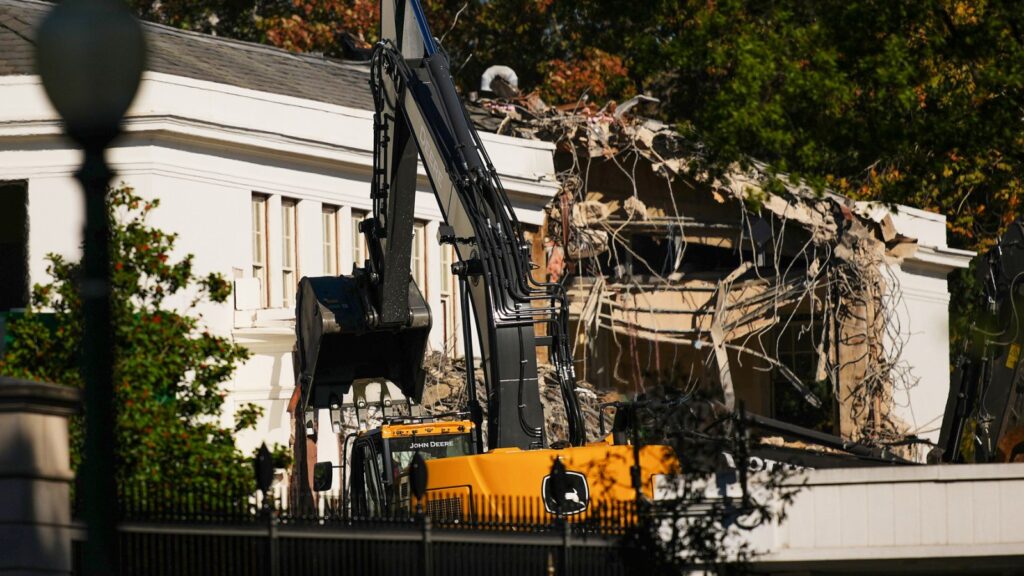
Imagining a bulldozer ripping through the walls of the East Wing might sound more like a fictional sketch, yet it captures the essence of President Trump’s ongoing alterations. His ambitious $250 million plan includes constructing a ballroom echoing the grandeur of Mar-a-Lago, sparking warnings from historians and architects about the potential disregard for the White House’s historical character. This endeavor paints a picture of a new Versailles on the National Mall.
Breaking Tradition and Red Tape
Historian Alexis Coe highlights how previous renovations followed strict oversight, contrasting sharply with the current direction. The White House has not presented its renovation plans to the National Capital Planning Commission, even as the East Wing’s transformation progresses. While the government remains partially closed, President Trump’s teams continue working unimpeded, raising questions about transparency and legal compliance.
The Influence of Historical Comparisons
Drawing parallels to Louis XIV’s opulent Versailles, Trump’s personal style reshapes not only the White House but implies a broader philosophy. Mar-a-Lago, branded as the Southern White House, becomes a reflection of how personal estates influence public power spaces. This approach manifests not in private enterprises but within the heart of American democracy.
The Debate Over Design and Purpose
Trump’s redesign efforts extend beyond aesthetics. Critics argue that his vision for the White House reshapes public spaces into private portrayals. Organizations like the Society of Architectural Historians urge adherence to meticulous design processes befitting such a significant building. Despite assurances of private funding, the White House remains a taxpayer-owned property, adding layers of complexity to these transformations.
A Clash of Visions
The White House insists that adaptations are part of a historical pattern of modernization. However, the heart of the matter lies in transparency and intent. As historian Coe notes, the transformation blurs public and private lines, aligning more with a branded estate than a national legacy. Amidst criticism, the administration labels opposition as politically motivated, maintaining forward momentum on its controversial project.