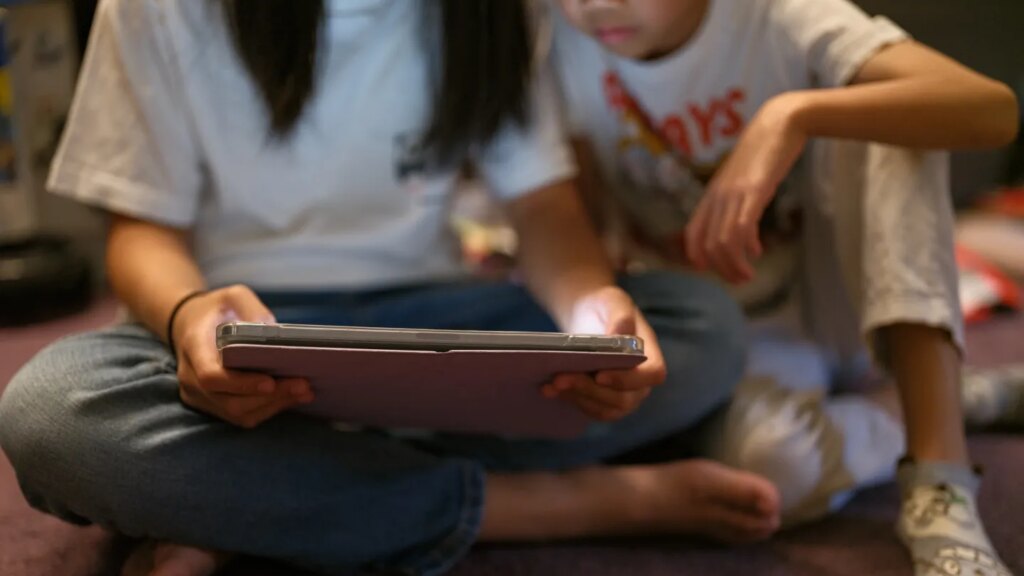
A recent study by the Center for Scholars & Storytellers (CSS) at UCLA has uncovered intriguing insights about the media preferences and attitudes of adolescents ages 10-24. The report, which surveys more than 1,500 young people, highlights key trends in entertainment choices, attitudes towards artificial intelligence, and the call for more diverse representation in media.
Moviegoing Over Sports: A Preferred Weekend Activity
For the third consecutive year, going to the movies has topped the list as the preferred weekend outing among teens, surpassing live sports and other activities. This trend is particularly encouraging for Hollywood, as this year is projected to yield the largest box office returns since the pandemic. Notably, live-action content has seen a recent resurgence, increasing 7.4 percentage points in popularity compared to animated offerings.
Fresh Faces vs. Influencers: Casting Preferences
The study revealed that 39.8 percent of respondents favor fresh, new actors for TV shows and movies, slightly ahead of the 38.2 percent who prefer established stars. Only 16.8 percent expressed a preference for influencers in leading roles. This suggests a unique dynamic, as the younger age brackets—specifically those aged 10-13—tend to favor known actors (47.1 percent) over newcomers (34.5 percent), while older respondents aged 19-24 lean towards fresh faces (42.9 percent vs. 33.4 percent).
Outdated Elements: What Turns Off Young Viewers
Respondents identified slang as the primary element that makes a TV show or movie feel outdated, with 43.4 percent pinpointing it as the primary culprit. Other factors included fashion/hairstyle (36.3 percent), old technology (35.9 percent), and visual effects (34.0 percent).
Shifting Views on Artificial Intelligence
When asked about their feelings regarding AI in media narratives, participants expressed a range of emotions: 28.2 percent felt “fascinated,” 25.6 percent “excited,” 22 percent “doomed,” and 10.1 percent “scared.” Notably, attitudes shifted from excitement to pessimism as respondents aged, with males exhibiting a more positive outlook on AI (34.6 percent) compared to females (23.6 percent).
A Demand for Uplifting and Relatable Stories
Amidst a backdrop of rising costs and global uncertainties, respondents indicated a desire for “hopeful, uplifting stories” that reflect relatable experiences. They prefer narratives that showcase “people beating the odds,” “friendships and social groups,” and “people with lives like mine,” distancing themselves from superhero tales and party-themed stories involving substance use, which ranked lowest.
Representation Matters: Neurodivergent Characters
A significant 55 percent of those surveyed expressed the need for more neurodivergent characters in media, with only 22.7 percent believing current portrayals accurately reflect reality. Respondents indicated a preference for various media formats to tell their stories, highlighting YouTube (72.9 percent), TV shows (70.3 percent), and movies (70.2 percent) as top choices.
Industry Insights and Young People’s Influence
“The gatekeepers have changed, and young people themselves are deciding what they want to watch and what they want to see more of in the content they choose,” said Yalda T. Uhls, founder and CEO of CSS. She emphasized the importance of industry leaders to engage with youth perspectives to create quality content that resonates with today’s audience.
The study was supported by organizations including Roblox, YouTube, Hopelab, Nielsen Foundation, and Warner Bros. Discovery, and coincided with the sixth annual Teens and Screens Summit at UCLA. During this invite-only event on October 22, the Greg Berlanti Social Impact Award was presented to Joe Paulsen of Higher Ground Productions.
For those interested, the full study can be found here.