Rosalía’s Gaza controversy has ignited a significant discourse surrounding the complex nature of performative activism. As various artists and influencers navigate their public personas, the implications of their silence or vocalness on pivotal global issues raise essential questions about authenticity, impact, and responsibility. This situation not only highlights Rosalía’s response to the ongoing crisis in Palestine but also emphasizes the broader conversation concerning how individuals, particularly those in the public eye, engage with social justice movements.
Background of the Controversy
Last week, Spanish fashion designer Miguel Adrover drew attention when he shared a screenshot of a contentious exchange with Rosalía’s team. Adrover’s team reportedly informed Rosalía’s representatives that, “Miguel doesn’t work with any artist who doesn’t publicly support Palestina.” In his Instagram caption, he asserted, “Doing ‘The Right Thing’….Silence is complicity, and even more so when you have a big loudspeaker where millions of people listen to you when you sing. That’s why you have the responsibility to use this power to denounce this genocide. Rosalia, this is nothing personal.”
Rosalía’s Response
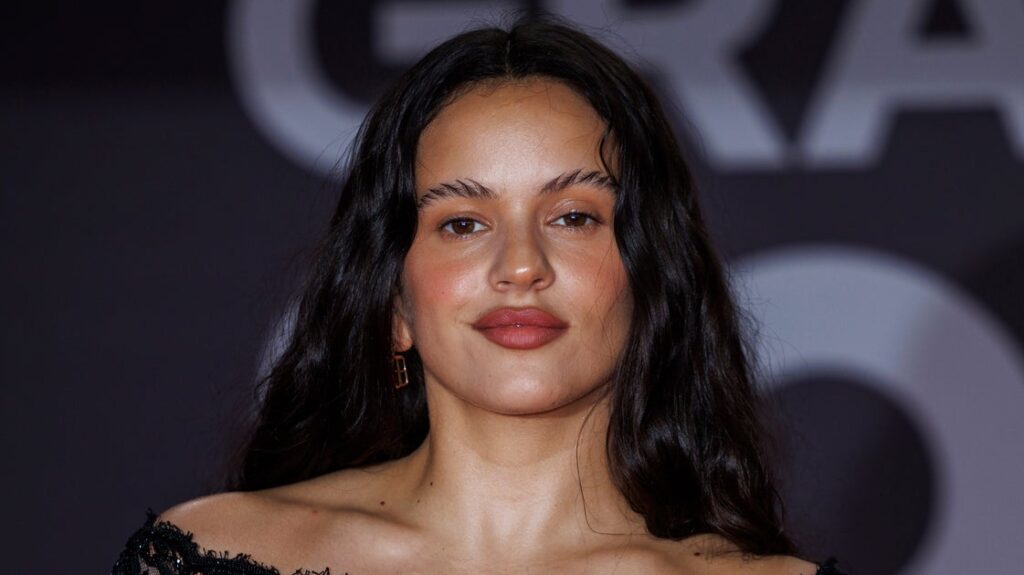
The following day, Rosalía addressed the situation through her Instagram story. She expressed her horror regarding the events in Palestine and gratitude for those on the front lines of the conflict. However, she clarified, “The fact that I haven’t used my platform in a way that aligns with others’ styles or expectations absolutely does not mean that I don’t condemn what is happening in Palestine.” The varied reactions from followers underscored the mixed feelings surrounding her response, eliciting reflections on the essence of activism itself.
Questions of Authenticity and Responsibility
As a fan of Rosalía, the interaction prompted me to ponder the broader implications of performative activism. Many, including myself, grapple with questions about our own social media presence – should we be vocal about injustices, and if so, does posting genuinely effect change, or is it merely for appearances? These concerns are reflective of a larger societal anxiety regarding genuine engagement versus performative gestures.
I resonate with Adrover’s position in this climate where voicing support for Palestine can carry significant risks for public figures. Their hesitation often stems from the fear of alienating audiences and jeopardizing their careers. Adrover’s actions successfully urged Rosalía to take a public stance on the issue, a move some might argue is necessary during a time marked by moral urgency.
The Need for Authentic Engagement
However, this controversy brings to light the limitations of simply reposting supportive messages on social media. Increasingly, individuals expressive of their passion for social issues feel fatigued by online activism, especially under the current political landscape that sees persistent attacks on marginalized communities. A 2022 study even suggested that engagement with online activism can lead to heightened mental stress.
While Rosalía has the right to her unique approach to protest, it is crucial to back sentiments with tangible actions. Authentic engagement could manifest in various ways, such as donating to organizations on the ground, hiring individuals of Palestinian descent for collaborative projects, or integrating her support for Gaza into her work. Without such evidence of active participation, her sentiments risk losing their weight.
As global awareness of the humanitarian crisis in Gaza grows, the focus shifts to how individuals can engage in activism that feels both authentic and constructive. In a world where attention is a limited resource, it is vital to be intentional about how we participate in social movements.