Romanian filmmaker Radu Jude reimagines the legendary figure of Vlad the Impaler in his bold new film “Dracula,” premiering at Locarno. Seamlessly weaving together elements of sex, humor, and horror, Jude offers a unique twist on the classic tale, tapping into their comedic and erotic potential. His innovative approach challenges traditional boundaries, making this film a standout in genre cinema.
Playing by New Rules
Jude candidly admits to Variety, “Maybe I’m getting old. I didn’t realize there was so much [sex], but I was playing with the rules of the market.” He explains that success often demands a blend of genre elements like vampires, action, and sex. This, according to him, isn’t a trend he’s forcing; it’s a direction that feels natural to him.
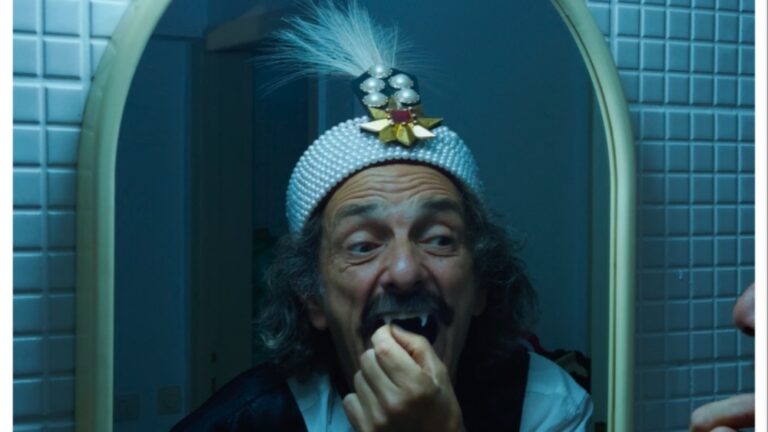
In “Dracula,” these ingredients create a tapestry of intertwined storylines. Whether following bloodthirsty tourists in Transylvania, striking workers battling zombies, or a hapless farmer in a peculiar predicament, Jude keeps the tone light and humorous. “This combination of humor and eroticism, you can find it in Milan Kundera essays. I’m always attracted to things considered too difficult or too taboo to be funny,” Jude states.
A Defiance of Genre Norms
Despite accolades from prestigious festivals, Jude claims, “I don’t have a style, and I don’t have a vision.” His penchant for blending unlikely elements is clear. “The so-called highbrow culture with the so-called lowbrow culture, the artistic with the non-artistic,” he notes. The eclectic nature of “Dracula” is reminiscent of Ed Wood’s work, an influence Jude proudly acknowledges.
Produced by Saga Film and RT Features, Jude’s film exemplifies his willingness to break conventions. Known for his fiery critiques, especially of the Romanian Film Centre, Jude is shifting towards a more embracing outlook. “I try to embrace things more. If 20 years ago someone was doing something nasty, I’d be very angry. Now, I’m more eager to like things and that brings a certain pleasure to life,” he reflects.
Innovation Through Necessity
Facing budget constraints, Jude resorted to inventive solutions, utilizing the same actors, iPhone footage, cardboard cutouts, and even AI technology. “I had half of the budget that was needed, so just like any genre filmmaker from the margins, I used all the tricks I could,” he reveals. Jude appreciates the poetic irregularities AI introduces, placing little care on ethical debates surrounding it.
He admires social media platforms like TikTok, which he regards as creative forces rivaling traditional cinema. “Some TikTok videos or Instagram reels are, from my point of view, much more creative than what great filmmakers have to offer,” he says, aiming to make his film TikTok-friendly to embrace cinema’s evolving landscape.
Reimagining Genre Boundaries
Jude sees two approaches to genre films but never intended to follow the traditional path of films like “The Exorcist” or “Nosferatu.” He recounts a conversation with Christian Petzold, criticizing European cinema’s disdain for genre. “A Romanian spaceship would never fly,” he jokes, capturing the unique sensibility he brings to “Dracula.” Jude embraces breaking cinematic rules, finding freedom and creativity in doing so.
This philosophy finds resonance with art historian Kirk Varnedoe’s concept of “A Fine Disregard.” By approaching cinema with a similar disregard for norms, Jude believes new possibilities can emerge, enriching the art form.