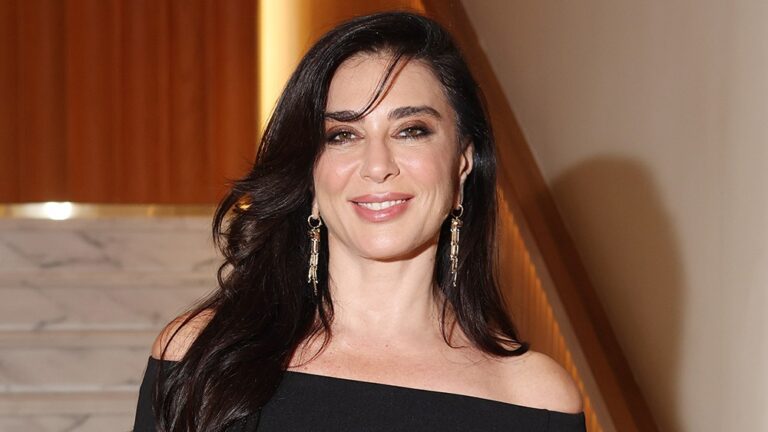
Nadine Labaki is a name synonymous with groundbreaking cinema, especially in the Arabic film industry. Known for her record-breaking film, “Capernaum,” Labaki has recently opened up about the challenges and emotional journey following her monumental success. As she teases her next project, fans and critics alike are eager to see what this visionary director will bring to the screen next.
At the Red Sea Film Festival, Nadine Labaki stands out as the only jury member who can claim the title of directing the most successful Arabic film in history.
A Remarkable Journey with “Capernaum”
“Capernaum,” Labaki’s third feature after “Caramel” and “Where Do We Go Now,” made waves in 2018 as it shattered box office records and earned critical acclaim. The film, which tells the story of a young refugee boy in Beirut suing his parents for neglect, not only clinched the Jury Prize at Cannes but also secured an Oscar nomination for Best Foreign Language Film. This achievement marked Labaki as the first female Arab director to be nominated in that category. Remarkably, when released in China, “Capernaum” became a phenomenon, pushing its global box office earnings beyond $68 million.
The Emotional Impact of Success
Despite the accolades, Labaki candidly shared at the Variety Lounge, presented by the Red Sea Film Festival, that the success did not bring the joy she expected. “For me, 2019 was the year where I achieved every dream I had as a kid. I went to the Oscars, Cannes, the Golden Globes, BAFTAs, Cesar Awards, all of it,” she said. “But 2019 was the hardest year of my life. Emotionally, it was very hard, even though it was so successful.”
The creation of “Capernaum” was a deeply affecting process, highlighting neglected street children in Lebanon. Alongside acclaim, it faced criticism for allegedly exploiting non-professional child actors like Zain Al Rafeea, who was a refugee himself and contributed significantly to the story’s authenticity. Labaki acknowledged, “There are always different things that come with recognition and success, and the backlash can be difficult to deal with.” The director and her team worked to support Al Rafeea and the other young actors, helping with resettlement and scholarships.
Stepping Back and Looking Forward
After “Capernaum,” Labaki stepped away from directing to focus on acting, appearing in popular projects like the Arabic adaptation of “Perfect Strangers” and “The Sand Castle” on Netflix. “For me, the best way was to be on a film set with less responsibility,” Labaki explained. “I needed to work without the stress of directing or writing a new film. Emotionally, I wasn’t ready.”
Now, fans of Nadine Labaki can look forward to her next feature, currently in development. “I’m writing my next film and hopefully, we’ll be shooting next year,” she shared. “But it’s going to take a while; it’s not an easy project. It should take some time to shoot, depending on the right circumstances.”
Broadening Horizons
Unlike her previous films that focus on Lebanese society, Labaki is broadening her scope with her next project. “I might be happening in different countries… this is what I’m aiming for,” she hinted, signaling an exciting new direction for her storytelling.