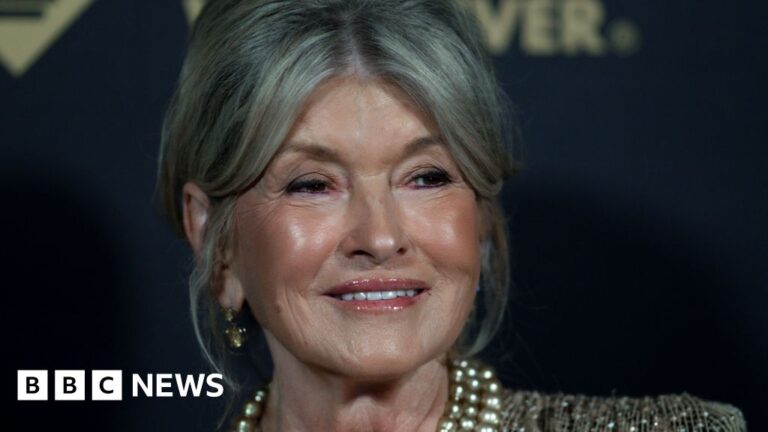
Martha Stewart has recently faced a wave of backlash after her Halloween costume, which was meant to depict a homeless person, sparked controversy. In a candid discussion about the incident, Stewart reflected on her choice of attire, stating, “I really screwed up.” Her comments come amid a deeper exploration of the intentions behind her costume and the implications it carries.
The Costume That Caused Outrage
Stewart’s Halloween costume, which emulated the appearance of a homeless individual, was met with criticism from various quarters. Many perceived the costume as distasteful and inconsiderate, leading some to question her sensitivity toward the plight of homelessness. Though Stewart insists her intentions were not to mock or belittle, the backlash has made her reconsider the choices she makes.
Stewart Addresses the Backlash
In response to the outcry, Stewart expressed that she was “distressed” by the reactions to her costume. In an interview, she attempted to clarify her perspective on the matter, emphasizing that her goal was not to demean or poke fun at those experiencing homelessness. However, the backlash has prompted her to rethink the appropriateness of her costume choice for future occasions.
Reflections on Intent vs. Impact
Despite her explanations, Stewart stopped short of issuing a formal apology. She acknowledged the misstep, and in her words, she has taken the lesson to heart. “I know people were upset, and I get that,” she added, highlighting her willingness to learn from the experience. The incident serves as a vital reminder of the complex dynamics between intent and impact in social situations, particularly in the context of sensitive subjects.
A Broader Conversation
The incident has ignited a broader conversation about cultural sensitivity and the responsibilities that come with public personas. Stewart’s experience underscores the importance of being aware of how certain representations can affect marginalized communities, creating an opportunity for dialogue on compassion and understanding.
In the end, Stewart’s Halloween costume has become a learning experience, not only for herself but also for her followers. The unfolding conversation may lead to greater awareness of how societal leaders and influencers approach themes that touch on real-world struggles, ultimately fostering a more empathetic cultural landscape.