Lucrecia Martel’s latest venture, “Landmarks,” marks her debut into the realm of documentary filmmaking, tackling the poignant themes of land theft and Indigenous erasure. Known for her previous fictional works, Martel embarks on a profound exploration of these issues, drawing attention to historical injustices in Latin America. The documentary not only focuses on the tragic murder of Indigenous leader Javier Chocobar but also offers a wider lens on the enduring struggles faced by Indigenous communities. With “Landmarks,” Martel crafts a narrative that is both touching and thought-provoking, inviting viewers to reflect deeply on the issues at hand.
A Directorial Shift
Fans of Lucrecia Martel, known for her distinctive style, have long awaited her new work. “Landmarks,” her first documentary, diverges from her previous fictional narratives, offering a straightforward yet impactful portrayal of a murder case that underscores colonial prejudices. Despite its direct narrative, the film maintains a disciplined and clear-eyed approach, avoiding sensationalism while delivering a powerful message on land theft and Indigenous erasure.
Worldwide Festival Journey
Guaranteed a spot on the arthouse circuit, “Landmarks” is set to garner global attention. Following its debut at Venice, the documentary will travel to festivals in Toronto, New York, and San Sebastian, among others. The film’s accessibility and incisive commentary on land theft and Indigenous erasure ensure it resonates with audiences, regardless of their familiarity with Martel’s previous work. The English title, while somewhat understated, complements the Spanish title, “Nuestra Tierra,” effectively capturing the film’s essence.
A Topical Narrative
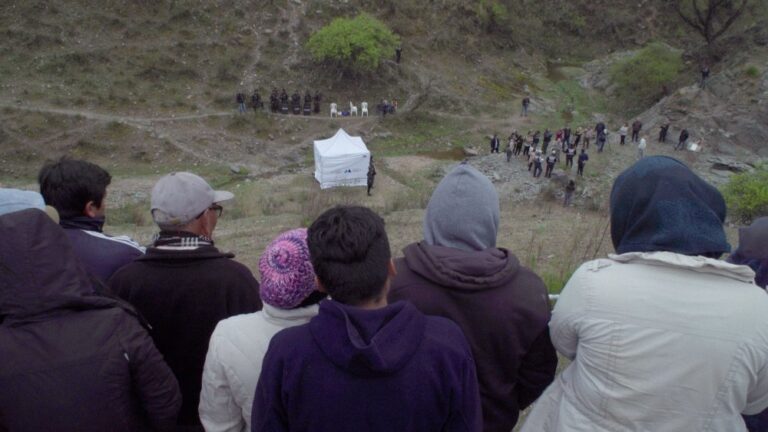
The film opens with a global perspective, diving into the landscapes of northwest Argentina, specifically the Tucumán Province, home to the Indigenous Chuschagasta people. Historical land disputes between them and European settlers have been an ongoing issue, exemplified by the 2009 murder of community leader Javier Chocobar. This incident, forming the core narrative of “Landmarks,” acts as a compelling testament to ongoing land theft and Indigenous erasure.
A Community’s Struggle
The film scrutinizes the complex case involving landowner Dario Luis Amín and ex-police officers Luis Humberto Gómez and José Valdivieso, who were responsible for Chocobar’s death. Martel does not delve deeply into the intricacies of the trial, instead focusing on the broader implications of the case. The poignant testimonies, especially from Chocobar’s widow Antonia, illuminate the community’s reality, underscoring the persistent struggle with land theft and Indigenous erasure.
The documentary originally aimed for a hybrid format, but Martel opted for a pure documentary style to effectively highlight the case’s stark realities. Her choice to allow the Chuschagasta community to narrate their own story further enriches the film’s authenticity. The use of drone photography provides a powerful, overarching perspective, illustrating the timeless nature of land amidst human conflict.
“Landmarks” stands as a testament to Martel’s ability to confront challenging narratives with sensitivity and clarity. By focusing on land theft and Indigenous erasure, the film not only sheds light on past injustices but also urges viewers to acknowledge and address these enduring issues.