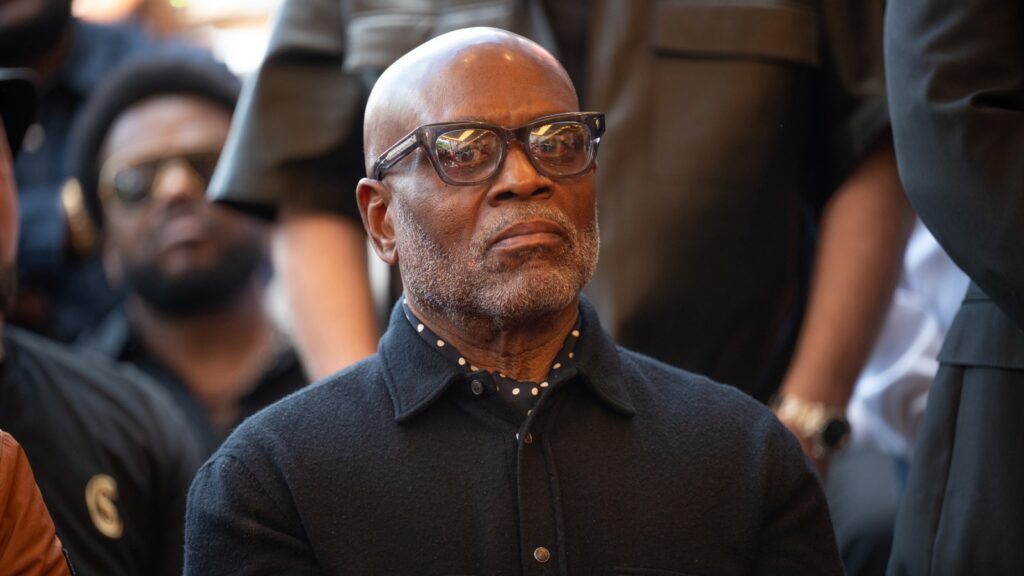
In a significant legal development, music mogul L.A. Reid finds himself without legal representation as he prepares to face a sexual assault trial. The court confirmed this situation during a recent status hearing, underscoring the gravity of the allegations brought against him by former Arista executive Drew Dixon. As Reid approaches the trial date, the absence of lawyers raises questions about how this will impact his defense strategy.
Changing Legal Dynamics
With less than two weeks before the trial, L.A. Reid is set to represent himself in court, a fact confirmed by U.S. District Judge Jeannette A. Vargas during a video conference. The judge acknowledged Reid’s “pro se” status after granting his legal team’s request to withdraw from the case. According to court filings, Reid hasn’t paid his attorneys since February, despite owning a mansion in Bel-Air that he has struggled to sell.
Guidance from Former Lawyers
Exiting attorneys from Kinsella Holley Iser Kump Steinsapir LLP have pledged to assist any new legal representatives Reid might hire. They assured the court of their cooperation in familiarizing potential new counsel with case details and maintaining communication between Reid’s business team and Dixon’s lawyers. Previously, they were asked to manage discovery issues until a status conference on August 25.
Judge’s Concerns and Warnings
Judge Vargas expressed concern over Reid’s representation at the upcoming pre-trial conference on August 25, issuing a warning that his absence could lead to a default judgment. The court has also instructed his former lawyers to provide Reid’s contact details, keeping the trial date of September 8 as “firm.”
Allegations and Legal Context
Dixon’s lawsuit claims Reid began harassing her shortly after becoming CEO of Arista in 2000. She alleges a series of assaults, including an incident on a private plane in 2001. Dixon also claims that Reid’s retaliation impacted her career, citing lost opportunities for artists like Kanye West and John Legend.
Reid has strongly denied these allegations. His lawyers have previously noted that Dixon’s claims, especially concerning lost commissions, might be constrained by the statute of limitations, despite the revival made possible by the Adult Survivors Act. Judge Vargas has left the door open for Dixon to pursue these claims under the revival statute, although success on this front remains uncertain.