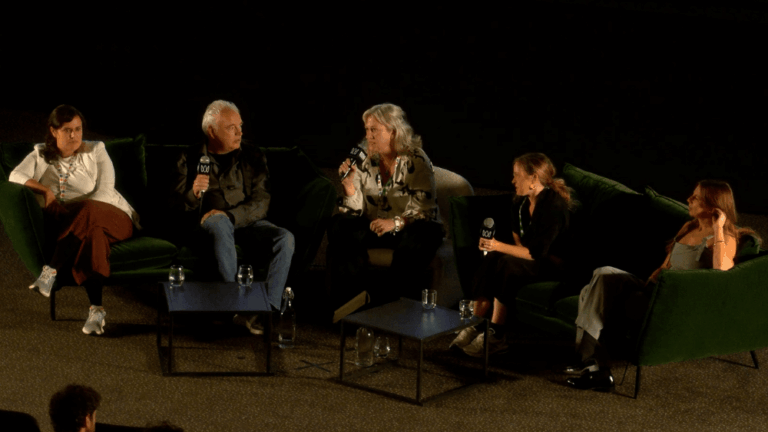
In the ever-evolving landscape of screen music, understanding composers’ contracts has become essential for ensuring fair compensation and career sustainability. The World Soundtrack Awards, a leading event for film composers, recently shed light on this critical issue. With a focus on the complexities and contradictions surrounding publishing rights and buy-outs, industry experts gathered to discuss how composers can navigate the challenges they face.
### Insights from the Industry Panel
The discussion, held in collaboration with the European Composer and Songwriter Alliance (ECSA), was rooted in their report “Audiovisual Composers’ Contracts: Current Practices, Challenges and Recommendations.” This report highlights the precarious nature of composers’ contracts and the lack of transparency that leaves creators vulnerable. By exposing these challenges, the World Soundtrack Awards aimed to empower composers with knowledge and best practices.
### The Struggle with Buyout Contracts
Buyout contracts, where composers give up all rights for a one-time fee, were a major topic. The ECSA report revealed that 53% of its members have encountered such contracts, significantly impacting fair remuneration. Panelist Johan van der Voet emphasized the pitfalls, particularly in the context of major streaming platforms. Composers often don’t consider future royalties, signing away rights without realizing the long-term implications. Van der Voet stressed the importance of carefully scrutinizing these contracts, especially as practices differ between the U.S. and Europe.
### Pseudo-Publishing Concerns
Another critical point raised was “pseudo-publishing,” where companies demand publishing rights without fulfilling the associated responsibilities. This issue highlights a widespread problem where production companies, not specializing in publishing, still gain control over rights. Sarah Glennane and others illustrated how this undermines composers’ potential earnings and advocated for better awareness and negotiation tactics among composers.
### The Role of AI in Copyrights
While the topic of artificial intelligence (AI) in composing has been widely discussed, it remains a pertinent issue in contract negotiations. Harriet Moss mentioned leveraging technology to protect composers’ rights and detect potential infringements. However, the boundaries between originality and similarity in film scores continue to pose challenges, underscoring the need for vigilance in managing composers’ contracts.
### Advising Future Composers
Concluding the panel, participants unanimously recommended that composers include a kill fee in their contracts. This clause ensures compensation for work started, protecting composers should a project be unexpectedly terminated or if creative differences arise. It was a practical piece of advice aimed at safeguarding composers’ interests.
The World Soundtrack Awards discussion highlighted the urgent need for composers to be informed and proactive about their contracts. By understanding the intricacies of buyouts, pseudo-publishing, AI influence, and the importance of clauses like kill fees, composers can better advocate for their rights and foster a sustainable career in the music industry.