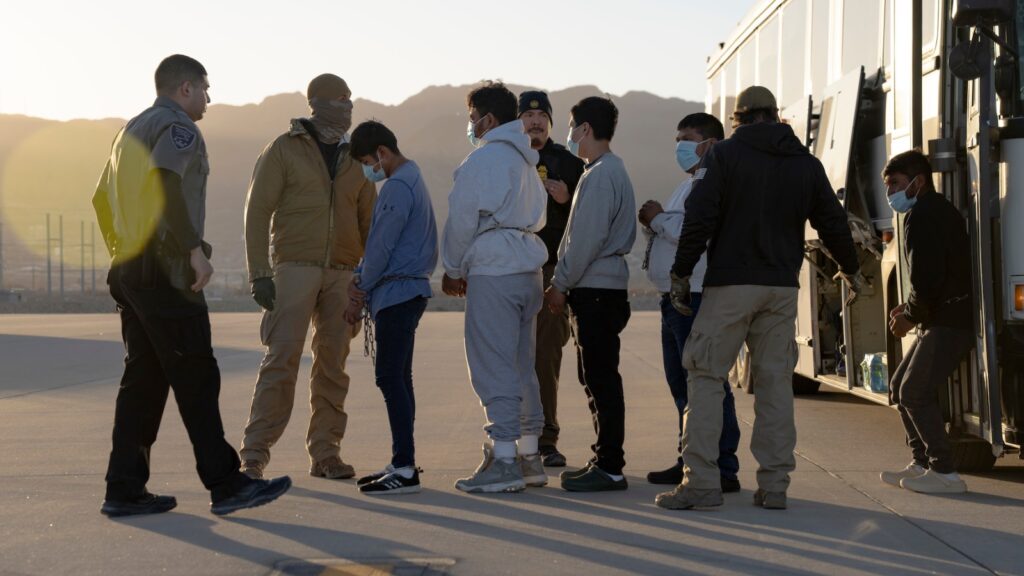
The use of Fort Bliss as an immigrant detention site has sparked significant controversy, bringing memories of the site’s wartime history back into focus. This former Japanese internment camp in Texas has drawn widespread condemnation from politicians, advocacy organizations, and families of those once held there. Detaining immigrants in such a historically charged location raises questions about justice, national security, and the lessons of the past.
The Expansion of Fort Bliss
Fort Bliss, located in El Paso, Texas, is poised to become one of the largest federal detention centers in the United States. Initially accommodating around 1,000 detainees, plans are underway to increase capacity to 5,000, backed by over $1 billion in private contracts. This site is not only used for detention but also serves as a base for deportation flights, echoing past sites like Florida’s “Alligator Alcatraz,” notorious for its harsh conditions.
Historical Parallels and Political Reactions
The use of a former Japanese internment camp as a detention facility has not gone unnoticed. Texas Representative Jasmine Crockett spoke out against what she describes as “disturbing parallels” to past injustices. The American Civil Liberties Union (ACLU) has criticized the move as an attempt to militarize immigration enforcement and fast-track deportations with limited oversight.
Historical records indicate that Fort Bliss housed individuals of Japanese, German, and Italian descent during World War II. This backdrop intensifies the current scrutiny, as past mistakes seem to haunt present-day policies.
Echoes of Past Injustices
Following the Pearl Harbor attack, over 120,000 people of Japanese descent were detained across various camps. President Franklin D. Roosevelt’s administration invoked the Alien Enemies Act, a measure that has since been echoed in more recent policies. Many see today’s use of Fort Bliss for immigrant detention as a reflection of historical missteps.
Voices like Ann Burroughs, of the Japanese American National Museum, express disbelief that the U.S. is repeating actions similar to those taken 80 years ago. The institution’s painful lessons serve as a stark reminder of the potential consequences of ignoring past errors.
Contemporary Concerns
The Department of Homeland Security has rejected comparisons between the current detention practices and World War II internment camps. However, criticisms persist, emphasizing the lack of community involvement in decisions like these. Human rights groups and policy analysts argue that involving military resources in immigration enforcement sets a dangerous precedent.
Samantha Singleton, policy director at the Border Network for Human Rights, and others continue to call for Fort Bliss’s closure. This push underscores the emotional and historical weight that surrounds the facility’s use today.
Haddy Gassama of the ACLU describes the situation as a risky experiment, blending military infrastructure with immigration enforcement strategies. This controversial approach presents critical questions about justice and the nation’s moral compass.