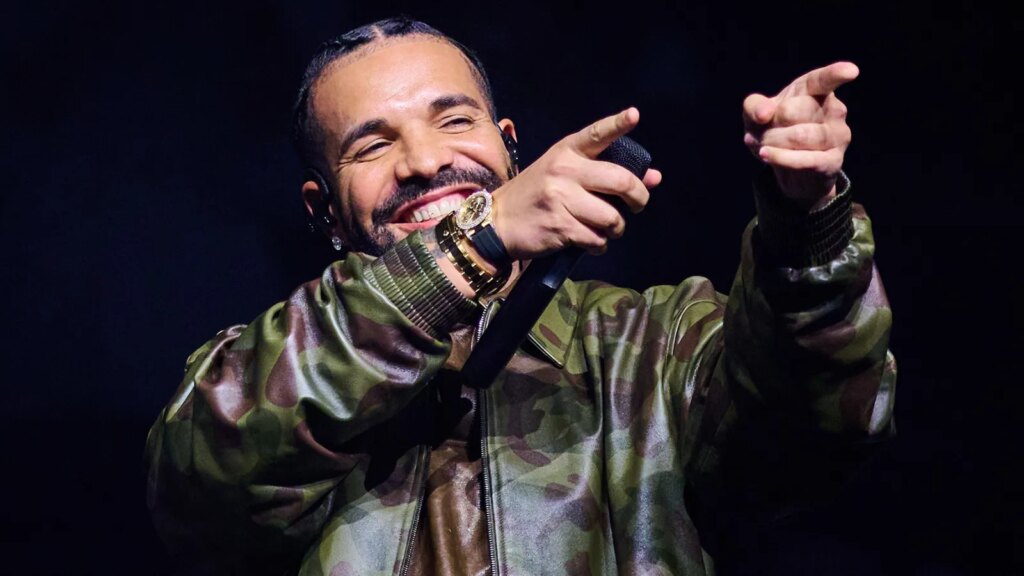
A surprising shift has occurred in the public perception of Drake, marking a potential healing phase for both the artist and his fans. Following significant controversies that painted his reputation in a negative light, Drake’s latest album, Iceman, has propelled him back to the top of Billboard’s Top R&B/Hip-Hop Albums chart, achieving an impressive 13 weeks at number one as of September 5. This surpasses his previous record set by Take Care over a decade ago. Just a short time ago, many speculated whether Drake would ever reclaim this position atop the charts after the heated rivalry with Kendrick Lamar in 2024 sparked intense debates about his character and the state of the hip-hop industry.
The Fallout from the Feud
The fervor surrounding the allegations in Kendrick Lamar’s track “Not Like Us” extended far beyond the music itself, leading to a discourse that often spiraled into conspiratorial territory. A notable case involved Christopher Alvarez, a disabled journalist, and a woman recently thrust into the spotlight due to resurfaced footage of an onstage kiss with Drake when she was just 17. This situation escalated to the point where Drake claimed threats stemming from these allegations forced him to withdraw his son from school.
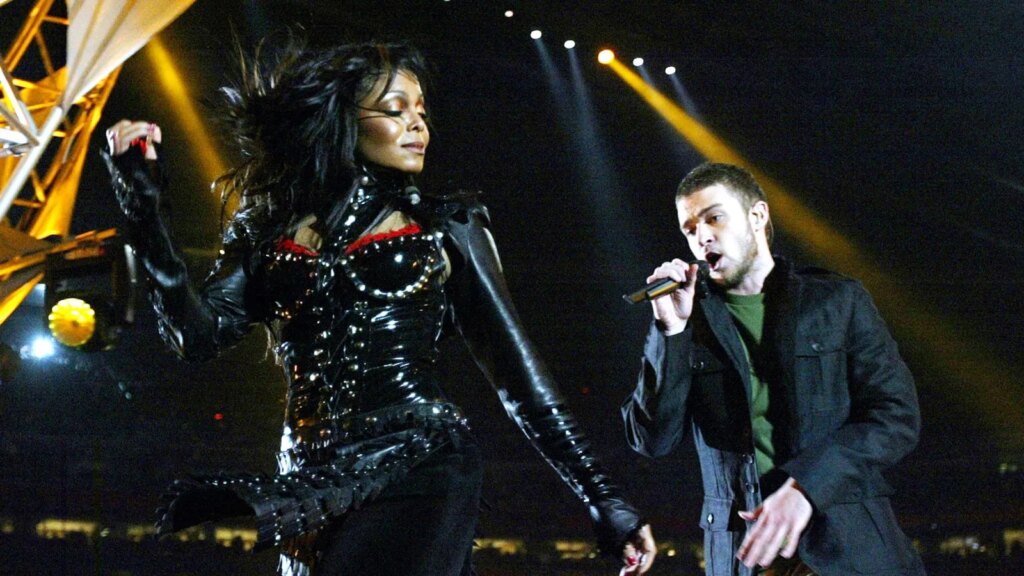
By September 2024, Kendrick was releasing the ominous “Watch the Party Die,” shortly after announcing his Super Bowl halftime performance, a moment shrouded in speculation regarding Drake’s potential public branding as a pedophile. The gravity of this discourse raised questions about how any celebrity could recover from such turmoil.
The Cultural Climate of 2024
Reflecting on the uproar of that period reveals a troubling tendency towards mass hysteria rather than a meaningful cultural critique. While “Not Like Us” achieved commercial success, the online discourse around it often eclipsed the music itself. For a time, even indulging in a Drake song felt contentious, requiring explanations as though playing his music was akin to endorsing the allegations against him.
The feverish debates transpired against the backdrop of significant changes in the media landscape, including Elon Musk’s transformation of Twitter, which encouraged outrage and misinformation. Furthermore, advancements in AI technology enabled the rapid dissemination of tracks purportedly responding to the feud, complicating the public narrative and creating a poisoned atmosphere for public opinion prior to Drake’s rebuttal in “Push Ups.”
Shifting Sentiments and a New Era
Recently, public opinion regarding Drake seems to have shifted, perhaps indicating a broader cultural transformation that has been brewing since 2024. The feud that once seemed to threaten Drake’s career appears as a remnant of an era characterized by extreme judgment and a desire for accountability in hip-hop. Critics debated who, exactly, held the authority to represent the culture, which Drake himself questions in his track “Ran to Atlanta” from Iceman.
The numerous allegations were originally stoked by fans’ frustrations with broader societal issues, such as revelations about figures like Diddy and the elite’s ties to scandals involving Jeffrey Epstein. That shared sense of powerlessness amidst such failures likely fueled the fervor and conspiratorial thinking flaring around Kendrick versus Drake.
Even as the cultural conversation shifted, questions remain. The stakes raised during the feud, where accountability seemed selective, left many wondering about the aftermath. If Drake were to be defeated, what would follow? The industry continued to consume and sell the very spectacle that fans were attempting to critique.
Drake Returns
Interestingly, as the narrative sues for healing, it becomes difficult to sustain any claim of Drake as a negative force in hip-hop. His music still captures mass appeal; the themes resonate widely even as he embraces a villainous persona. The transition from a child star on Degrassi to a musical titan rivaling Taylor Swift underscores his influence and the willingness of fans to welcome him back.
With his upcoming project, Fear of Missing Out, set to unveil this week, we find ourselves at the dawn of a second Drake renaissance. Despite past backlash, his return to the top of the charts signifies a collective eagerness to re-engage with his music, suggesting that healing may well be underway.