As the much-anticipated release of “Wicked: For Good” approaches, fans of the beloved tale eagerly eye the return of Dorothy’s iconic slippers. However, contrary to what many may expect, these slippers won’t shimmer in their usual ruby red. This creative choice reflects a nuanced homage to the original text while respecting rights held by the classic film. Join us as we explore the fascinating journey behind these silver slippers and their thematic significance in the upcoming movie.
The Silver Slippers’ Literary Roots
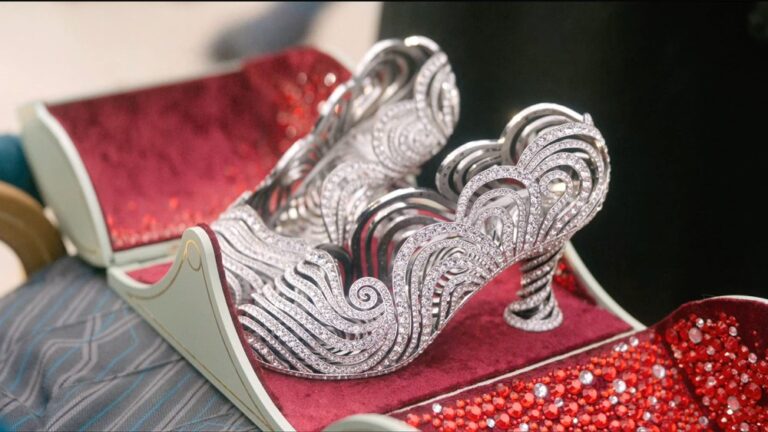
While Judy Garland’s ruby slippers from “The Wizard of Oz” are perhaps the most famous footwear in film, “Wicked: For Good” opts for a return to L. Frank Baum’s original vision. In Baum’s 1900 classic, “The Wonderful Wizard of Oz,” Dorothy’s slippers are silver. Director Jon M. Chu remains true to this, honoring both the book’s historical context and the “Wicked” Broadway adaptation. The choice underscores the narrative’s deeper allegorical roots, reflecting the Silverite movement’s alignment with populists during the turbulent Gilded Age.
Copyright and Creative Choices
The absence of ruby slippers in “Wicked: For Good” is not merely an artistic decision but also a legal one. The rights to the ruby slippers are owned by MGM, now under Warner Bros., which created them for the 1939 film to enhance its Technicolor charm. Meanwhile, Universal Pictures, which distributes the “Wicked” films, chose a clever approach by integrating red elements without using the iconic ruby version. Director Chu explained to Variety, “We had boundaries of what we could reference or not. We never use the ruby slippers.”
Symbolic Lighting and Design Elements
Despite the shift to silver, the production team creatively acknowledges the ruby slippers through visual storytelling. The slippers, revealed as an heirloom in the film, are adorned in a case with ruby red jewels, a nod to the famous 1939 shoes. Costume designer Paul Tazewell incorporated a tornado-shaped detail on the heel, subtly linking back to the twister that whisked Dorothy from Kansas to Oz.
Further, the film uses strategic lighting choices to evoke the feel of the ruby slippers. In a pivotal scene, Nessarose is seen levitating, with the silver slippers and her surroundings bathed in red light. Cinematographer Alice Brooks shared that this use of red underscores Elphaba and Nessarose making “the wrong choice.” As Nessarose ascends, the silver gleams with an intensified red glow, momentarily bringing the essence of the classic ruby footwear back into focus.
Through these inventive techniques, “Wicked: For Good” manages to pay homage to both Baum’s original tale and the cherished 1939 film, offering fans a unique cinematic experience that beautifully balances tradition with innovation.