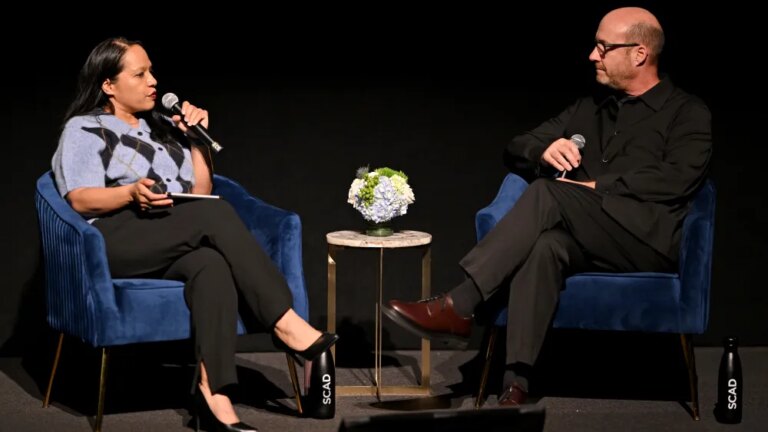
In a stark warning about the future of public broadcasting, Bruce Ramer, an esteemed entertainment lawyer, highlighted the grave implications of the Corporation for Public Broadcasting’s (CPB) shutdown. With federal funding pivotal to sustaining public media, Ramer emphasized how a substantial part of public radio and broadcasting faces extinction without CPB support. This alarming development raises significant concerns about both local and national media landscapes.
The Unraveling of Public Media Support
Bruce Ramer, who has a long history with the CPB board, shared his insights with Variety on the dire consequences of this development. Ramer, who chaired the board over his 16-year tenure, remarked, “The public system as a whole can’t survive without the infusion of monies from the federal government that come via the CPB.” Acknowledging the severe impact, he pointed out how essential CPB funds have been for public media operations nationwide.
The announcement that the CPB will cease operations in September came after the Trump administration withdrew funding and reclaimed $1.1 billion intended for future use. Despite broad public efforts to preserve funding through petitions and communications with Congress, CPB’s president and CEO Patricia Harrison acknowledged the difficult decision to wind down, marking the end of nearly six decades of independent operation.
Vital Services at Risk
This drastic funding cut not only threatens major institutions like NPR and PBS but also endangers smaller, vital outlets. Ramer highlighted the example of Marfa Public Radio, which serves an area near the Mexico border. In emergencies, the station has been a crucial information source, maintaining service when other outlets couldn’t. The loss of CPB funding puts the survival of such community broadcasters in jeopardy, effectively silencing crucial voices and diminishing local news coverage.
“I fell in love with this station,” Ramer expressed, emphasizing the unique role of these local outlets. The CPB funds have traditionally served as seed money facilitating further fundraising from the public. Ramer asserted, “Money feeds broadcasting. The system will not function without priming the pump.” Without these initial funds, local stations struggle to sustain their operations and meet community needs.
A Broader Impact on Media Landscape
Ramer lamented the CPB’s dismantling, given his considerable personal investment in its mission, having served under presidents from both political parties. CPB board members, approved by Congress, have consistently strived to maintain political neutrality in their operations, ensuring a broad and balanced media presence.
Established in 1967, the CPB aimed to keep political influence at arm’s length, allowing for impartial support of media through grants to stations rather than specific editorial decisions. This funding has been critical in producing major PBS programs like “Sesame Street” and “PBS NewsHour,” and underwriting community outreach initiatives. The loss of CPB support jeopardizes these vital programs and impairs public media’s ability to expand technological capabilities and offer live streaming services.
Reflecting on the situation, Ramer concluded, “It’s a very sad day. I have great faith in the public system. Is it perfect? No. Nothing is. But it’s damn good.” He acknowledged the unmatched benefits of public broadcasting for children’s programming and nationally significant productions.
Looking Ahead
With his term on the CPB board having concluded in 2024, Ramer envisions a hopeful future where public media’s structure might be revitalized with a change in federal leadership. He remains optimistic, stating, “Hopefully, it can be saved.” These reflections underscore the critical role that CPB has played in American media and the urgent need for solutions to prevent the collapse of an essential public service.