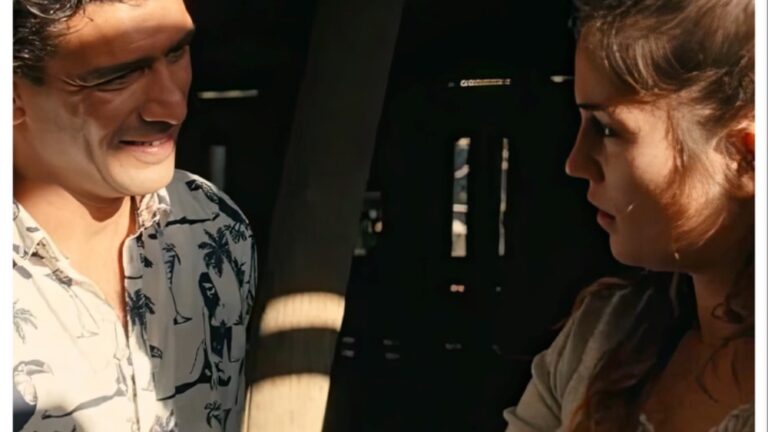
Renowned filmmaker Abdellatif Kechiche was notably absent from the Locarno Film Festival, where his latest creation, “Mektoub, My Love: Canto Due,” premiered. His absence was attributed to health concerns following a recent stroke. Known for his controversial “Mektoub, My Love” trilogy, Kechiche’s films have often sparked debates, drawing both acclaim and criticism. Despite the controversies, the Locarno festival proceeded with the premiere and a heated public Q&A session that highlighted the complex issues surrounding the acclaimed director.
An Absent Director and His Controversial Work
Although Abdellatif Kechiche previously won the prestigious Palme d’Or at Cannes for “Blue Is the Warmest Color,” his recent works have been less favorably received. Critics have particularly scrutinized “Mektoub, My Love: Intermezzo,” and the director has faced multiple allegations, though none have led to legal convictions. His artistic reputation remains divisive, with both fervent supporters and vocal detractors.
Actors Field Difficult Questions
During the Locarno festival, a public Q&A session featured actors Shain Boumedine, Andre Jacobs, Salim Kechiouche, Ophélie Bau, Jessica Pennington, and producer Riccardo Marchegiani discussing the film and addressing audience concerns. One participant questioned the actresses about their experiences with Kechiche, referencing ongoing allegations.
“We all know [about] the sexual abuse allegations. How do you feel now, promoting his art and his film? How do you feel promoting this person and a film that’s so contentious?” inquired an attendee. Bau chose not to delve into her personal experiences, emphasizing her focus on the film itself. Pennington, however, expressed her shock at the allegations, clarifying that she personally had no issues with Kechiche.
Insights into Kechiche’s Creative Process
Despite the controversies, actors like Boumedine and Jacobs praised Kechiche’s approach to filmmaking. Boumedine highlighted the director’s ability to grant actors freedom in exploring their characters, saying that Kechiche’s strength lies in guiding his actors toward an unspoken goal. Jacobs, who worked with Kechiche previously on “Black Venus,” described the director’s process as challenging yet rewarding, emphasizing his pursuit of authenticity in performances.
Salim Kechiouche drew attention to the collaborative nature of filmmaking, noting, “We talk about the controversy, but we don’t talk about the collective work. That’s what makes cinema.” He expressed gratitude for the team and the impact of their collective effort.
Festival Context and Director’s Reception
The Locarno Film Festival, despite the absence of press conferences, sought to focus on Kechiche’s artistic contributions. Locarno’s artistic director, Giona A. Nazzaro, shared his satisfaction in having Kechiche’s work featured, emphasizing the respect with which they approached the director. According to Nazzaro, Kechiche appreciated this respectful engagement, which influenced his initial acceptance.
The festival invited audiences to engage with the films independently of external controversy, promoting an appreciation for the cinematic art itself. The discourse surrounding Abdellatif Kechiche at Locarno underscores the enduring tension between artistic achievement and personal conduct, fueling ongoing discussions in the cinematic community.