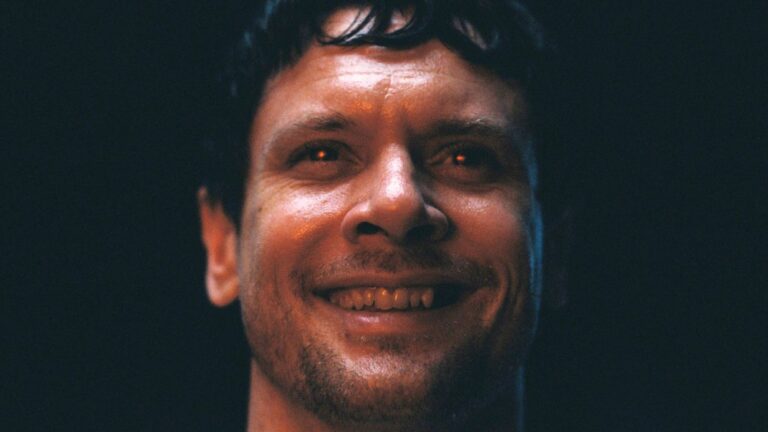
Autumn Durald Arkapaw, the acclaimed cinematographer behind “Sinners,” offers insight into the visual storytelling that defines the film, particularly when capturing Jack O’Connell’s dramatic entrance. Set against the backdrop of the Mississippi Delta during the Jim Crow era, “Sinners” employs Ultra Panavision 65mm film to create a grand visual experience, reminiscent of classic cinema. This article explores how Arkapaw and director Ryan Coogler achieved this cinematic magic, fully utilizing the nuances of 65mm film to bring their vision to life.
Ryan Coogler shared the script for “Sinners” with his trusted cinematographer, Autumn Durald Arkapaw, just before she commenced work on Gia Coppola’s project. “I read it and was just blown away,” Arkapaw reflects. Her response was immediate and enthusiastic, detailed in a lengthy email to Coogler outlining her visual inspirations and emotional reactions to the unique storyline.
Set in the Mississippi Delta during the Jim Crow era, “Sinners” features Michael B. Jordan in dual roles as identical twins who return to their hometown, embroiled with the Chicago mob. As they unite the community to open a juke joint, nightfall brings unexpected chaos with the arrival of vampires.
The Shift to 65mm Film
Arkapaw broke new ground by being the first to shoot 65mm film in IMAX for this project. Initially, Coogler considered using Super 16, a format he favored during the making of “Fruitvale Station.” As discussions evolved, considerations regarding visual effects for the twin characters led them to explore 35mm. However, a suggestion from the studio to contemplate larger formats opened new creative avenues.
In pursuit of capturing stunning landscapes, Coogler and Arkapaw tested IMAX 35mm and 65mm in the Californian desert, inspired by Quentin Tarantino’s use of 65mm in “The Hateful Eight.” Viewing these tests solidified their choice for “Sinners,” and as Arkapaw notes, “Once you see what you created, you can’t unsee that stuff.”
Capturing Magic Hour: Jack O’Connell’s Entrance
Jack O’Connell’s character Remmick makes a memorable entrance, a scene that became one of Arkapaw’s favorites. Originally opening the script, it was eventually repositioned in the film’s timeline after discussions with editor Michael Shawver. “I was very excited to shoot it,” Arkapaw shares, visualizing the sequence upon first reading the script. The scene desired a Western feel, aligning perfectly with the grand aesthetic achieved through Ultra Panavision 65mm.
The entrance demanded precision to capture the supernatural hint of Remmick’s abilities. “Ryan wanted it to look a certain way,” Arkapaw mentions, requiring multiple takes to perfect the illusion of flying. This scene was meticulously shot during the golden hues of magic hour, cementing its atmospheric richness.
Overcoming Challenges and Crafting Visual Mastery
The shoot wasn’t without its challenges. Technical issues arose, such as an IMAX camera jam just as they were poised to capture a pivotal sunset shot. Despite these hurdles, the team succeeded in shooting at just the right moment, preserving the narrative’s visual integrity.
Reflecting on the historic shoot, Arkapaw remarks on the power of the format: “We had cameras on cranes… being able to track with the horses. It’s a beautiful scene.” This meticulous combination of timing, technology, and artistic vision exemplifies the potential of 65mm film in modern storytelling.