The question of whether Trump‘s peace plan can end the calls to boycott Israeli artists is gaining renewed attention. Amid ongoing debates surrounding cultural boycotts, particularly in light of recent developments in the Middle East, the potential influence of political agreements on artistic freedom and international participation remains a complex issue. Can diplomacy pave the way for dialogue and engagement, or will cultural isolation persist?
Eurovision’s Decision Postponed
Organizers of the Eurovision Song Contest have temporarily deferred their vote on banning Israel from next year’s competition. The European Broadcasting Union (EBU) highlighted the necessity for an open, in-person discussion due to recent Middle Eastern developments, delaying the decision until their winter assembly in December.
Impact of Peace Efforts on Boycott Calls
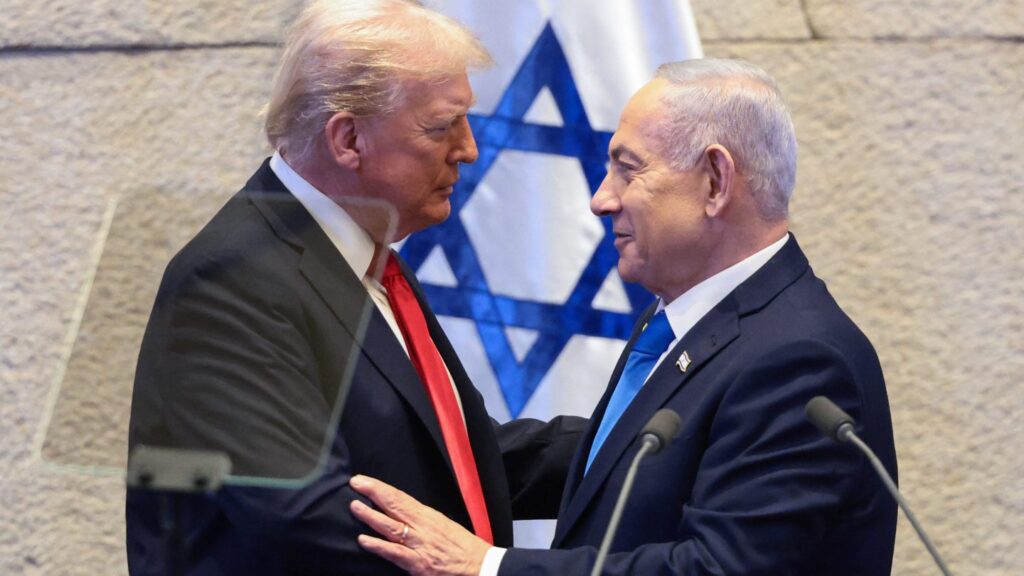
As Israel and Hamas made strides toward a Gaza ceasefire by freeing hostages and detainees, the fragile peace plan is already influencing discussions surrounding the boycott of Israeli cultural institutions. Despite ongoing challenges, these developments may shift the debate around participating in Israeli cultural events.
Legal Scrutiny and Cultural Boycotts
Cultural and media organizations endorsing boycotts face increasing legal scrutiny. U.K. Lawyers for Israel cautioned that participating in film-industry boycotts could breach British law under the Equality Act, which bans discrimination based on nationality or religion. Meanwhile, the Louis D. Brandeis Center in the U.S. also criticized cultural boycotts for violating civil rights statutes.
The Film Workers for Palestine Campaign
Since its launch, the Film Workers for Palestine campaign has gained significant support. Notable figures like Emma Stone and Mark Ruffalo have pledged not to collaborate with Israeli film institutions. Although supporters claim the boycott targets institutions and is nonviolent, it has drawn criticism for complicating the path to peace.
Perspectives from Israel’s Film Industry
Within Israel, many filmmakers argue that such boycotts misdirect their targets. They emphasize the industry’s critical stance against government policies. Filmmaker Michal Weits stresses that targeting the country’s film community ignores their role as progressive voices in Israel.
Israeli Culture Minister Miki Zohar, however, responded to the award of films like “The Sea” with funding cuts and plans for alternative accolades, underscoring the governmental pushback against critical film narratives.
Hope for Peace and Collaboration
The ongoing debate around boycotts and the impact of peace initiatives highlight the challenging road ahead. While some remain skeptical, figures like Danna Stern see opportunities for new beginnings. The possibility of lasting peace could foster renewed collaboration between Israeli and international artists, enabling diverse voices to shape the region’s narrative.
For now, the region stands at a crossroads. As stakeholders navigate this complex landscape, the potential for dialogue offers a glimmer of hope amidst ongoing uncertainty.