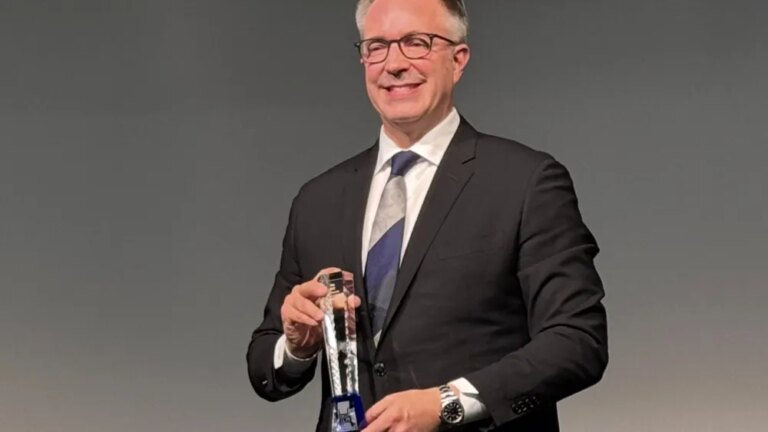
In a significant move toward expanding its global footprint, the Academy of Motion Picture Arts and Sciences, led by CEO Bill Kramer, aims to promote diversity and inclusion within its ranks. Speaking at the Tokyo International Film Festival, Kramer announced that the Academy’s international membership has grown from just 5% a decade ago to a remarkable 25% today. This shift reflects the evolving landscape of cinema, where filmmakers and audiences increasingly transcend geographic boundaries.
Global Outreach and Membership Growth
Joining Kramer on a panel in Tokyo, Academy president Lynette Howell Taylor and chief membership officer Meredith Shea discussed ongoing efforts to recruit members from underrepresented countries. Moderated by festival director Hisamatsu Takeo, the panel also celebrated Kramer’s contributions with the Global Cinema Leadership Special Award.
Kramer highlighted the Academy’s commitment to inclusivity, stating, “People are making movies around the world, people are watching films that are not in their native language more and more.” He emphasized that as the film industry becomes more global, so too must the Academy, which currently boasts around 70 members from Japan alone.
International Representation at the Oscars
Reflecting on recent Oscars, Kramer noted the international representation across all categories, including the historic win of the South Korean film “Parasite” for Best Picture in 2020. This moment marked a transformative shift in the Academy’s perception of global cinema, indicating a new openness to diverse storytelling.
Howell Taylor elaborated on the Academy’s initiatives to ensure rigorous standards remain in place, emphasizing that while membership has broadened, the qualifications for inclusion have not diminished. She noted that each branch has an Aperture committee responsible for identifying and engaging talented filmmakers in underserved regions.
Engagement with Global Filmmakers
Illustrating the Academy’s commitment, Kramer mentioned recent visits to various international film festivals, including those in India, London, and Busan, asserting a desire for continued engagement worldwide. Howell Taylor expressed her privilege in meeting storytellers from different cultures, reinforcing the importance of these interactions in shaping the Academy’s direction.
Shea pointed out that submitting a film for Oscar consideration is free, with over 200 festival awards automatically qualifying short films for eligibility. The Academy’s Screening Room app further ensures that all members can access contenders easily, solidifying its commitment to a diverse cinematic landscape.
Streamlining Access to the Oscars
In an exciting development for global audiences, Kramer announced that starting in 2029, the Oscars will be streamed for free on YouTube, reaching an estimated 2.5 billion people in over 30 languages. “This is a huge, intentional move by the Academy to reach a bigger global audience,” he noted, emphasizing the desire for simultaneous access worldwide.
Future Aspirations and Expanding Categories
During the Q&A session, Kramer discussed the potential inclusion of the Tokyo International Film Festival in the list of festivals that qualify films for the international feature race. He confirmed that the Academy is in the early stages of expanding qualifying festivals, and Howell Taylor mentioned that discussions regarding this initiative are currently active.
While it was posited whether the international feature film category might eventually become redundant, Kramer asserted that he does not foresee that happening currently. The conversation also touched upon animation, with Shea noting significant growth in submissions, particularly from Japan, highlighting the country’s rich history in animated filmmaking.
Connections Through Cinema
Reflecting on the trip, Kramer expressed his appreciation for the sense of community and collaborative spirit encountered during these international engagements. “I’m always struck on these trips by how we all speak the same cinema language, especially amid global complications and complexities,” he concluded, underscoring the Academy’s ongoing commitment to inclusivity and global representation in film.