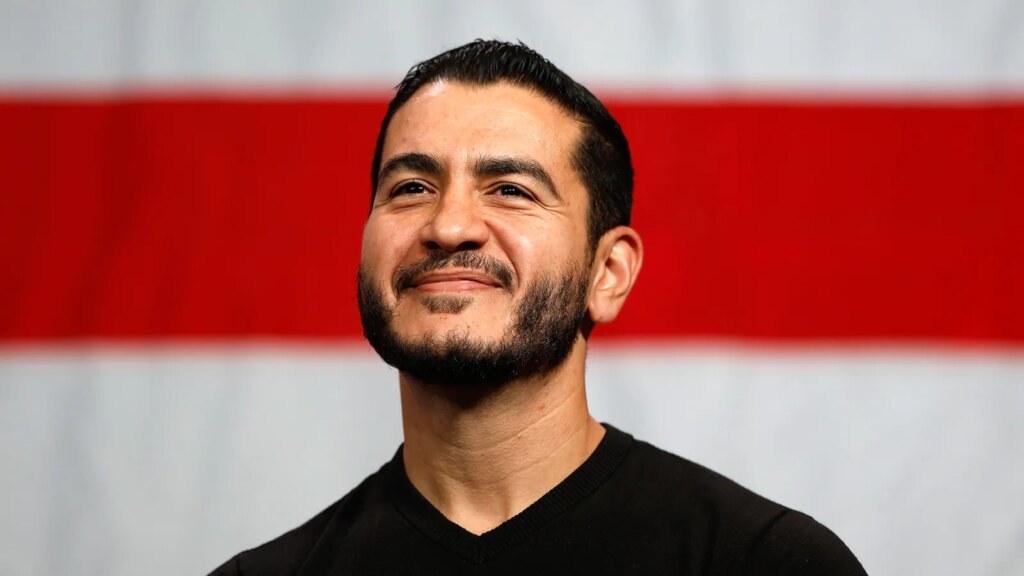
Abdul El-Sayed has made history by defeating MAGA Republican Mike Rogers in the race for Michigan’s open Senate seat, a victory that caps his remarkable journey as an insurgent progressive. Running on a platform focused on reducing costs, ensuring healthcare accessibility, and regulating artificial intelligence, El-Sayed’s win is a significant setback for Donald Trump and the Republican Party.
Historic Win and Challenges Faced
With this election, El-Sayed will become the first Muslim senator in American history. The campaign to replace outgoing Democrat Senator Gary Peters turned into one of the most contentious in the current electoral cycle. As a Michigan native and an epidemiological physician, El-Sayed faced relentless attacks targeting his Muslim faith and Arab heritage.
Campaign Controversies and Attacks
Trump and his Republican allies unfoundedly accused El-Sayed of having links to terrorist organizations, including allegations that he and his mother were affiliated with the Muslim Brotherhood. Furthermore, certain factions within the party and even some Democrats sought to associate El-Sayed’s campaign activities with leftist Twitch streamer Hasan Piker, attempting to paint him as an extremist. Trump, in particular, made derogatory remarks about El-Sayed’s heritage during campaign rallies, labeling him a “Jihadist Member of the Muslim Brotherhood” and suggesting that he wished to impose “Sharia Law” in America. Rogers echoed these lines of attack following his primary win, even as he attempted to distance himself from Trump’s more extreme positions by advocating for an end to the trade war with Canada.
Support from Prominent Democrats
In response to the hostile tactics, Democrats rallied around El-Sayed, with former President Barack Obama stepping into the fray to campaign alongside him. Obama’s presence in Michigan, Ohio, and Georgia helped bolster El-Sayed’s profile. In his speeches, Obama criticized Trump’s superficial obsessions and defended El-Sayed’s identity, stating, “Abdul is as Michigan as it gets,” which resonated with many voters who had previously been subjected to similar scrutiny concerning their own backgrounds during Obama’s presidency.
Primary Rivalry and Endorsements
However, not all Democrats were supportive. El-Sayed’s primary opponent, Rep. Haley Stevens, publicly accused him of blaming Jewish Americans for his issues regarding policy differences over the war in Gaza. This contentious rivalry lingered throughout the general election, and in a shocking twist, Stevens endorsed Rogers just two days before the election, despite claiming for months to support the Democratic ticket.
Focus on Affordability and Healthcare
Despite the divisive environment, El-Sayed’s campaign resonated with voters through a clear message centered on affordability, emphasizing his expertise in healthcare. He advocated for Medicare for All and comprehensive reform of the current for-profit insurance system, addressing rising prices exacerbated by Trump’s foreign policy decisions. “You shouldn’t have to pay $5 for gas,” he remarked in an interview with Rolling Stone. “You shouldn’t have to decide whether you can even buy meat at the grocery store because it’s so expensive. You shouldn’t have to worry about seeing a doctor in the richest, most powerful country in the world.”
Conclusion
El-Sayed highlighted that the focus of the campaign should have been on the issues that truly affect people’s lives, stating, “They don’t want to talk about any of that. They keep just pointing to my name and my faith.” Ultimately, Michigan voters prioritized his message about affordability over divisive rhetoric, leading to a landmark victory for El-Sayed and a new chapter in American political history.