Director Zamo Mkhwanazi has captivated audiences with her deeply personal debut feature “Laundry” (“Uhlanjululo”) at the Toronto International Film Festival (TIFF). Known for her compelling storytelling, Mkhwanazi uses her own family history to explore themes of legacy and resilience amidst apartheid in South Africa. This story not only sheds light on her past but also paves the way for her upcoming project, “Newborns,” emphasizing her belief that “To create is to heal.”
Unveiling Personal History Through Film
In “Laundry,” Mkhwanazi delves into a poignant narrative inspired by her grandfather’s lost business during apartheid. “My grandfather had a laundry and when the apartheid government came in, he lost his business. I knew it had to be my first film,” she shares with Variety. This personal connection drives the film’s authenticity, as it reflects a significant impact on her identity and creative journey.
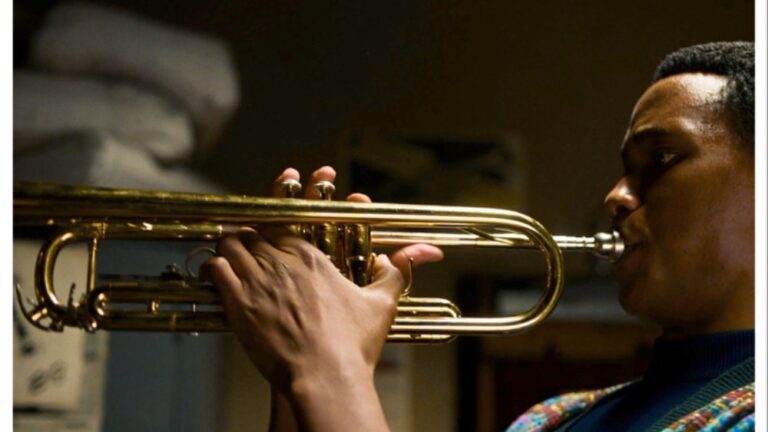
Set in 1968, the movie portrays a family-run laundry in a whites-only area, facing both internal and external challenges. At the heart of this story is 16-year-old Khuthala, portrayed by Ntobeko Sishi, who aspires to be a musician, sparking conflict with his pragmatic father, played by Siyabonga Shibe.
Exploring Dreams Within Confinement
Mkhwanazi seeks to evoke both hope and realism in her audience, describing how privilege affects one’s dreams. She states, “Unless you have a certain level of privilege, your dreams are incredibly precarious. When you deny people opportunities, the whole of humanity loses.” The film examines the fragile nature of dreams in oppressive environments, highlighting the universal loss that arises from systemic injustice.
Music, a profound influence on Mkhwanazi, weaves through the narrative as a symbol of freedom and expression. “Musicians like Prince… if Prince never existed, my life would be a little bit poorer,” she says, connecting music’s transformative power to her film’s themes.
From Past to Future: New Projects on the Horizon
Following “Laundry,” Mkhwanazi prepares for her next venture, “Newborns,” a feminist tale set to explore cloning. “It’s already in development. It’s about clones and it’s a very feminist story,” she reveals. This project promises to continue her tradition of engaging storytelling, pushing boundaries by venturing into speculative narratives.
Yet, her storytelling remains rooted in personal experiences. Reflecting on her childhood, Mkhwanazi remembers her early disinterest in her parents’ business, paralleling Khuthala’s journey. “I completely understood who Khuthala was because I used to be selfish, too,” she admits, adding depth to her characters.
As Mkhwanazi continues to explore the intersections of history, personal identity, and creativity, her works resonate with the powerful message that art can be both a form of healing and a catalyst for change. Through “Laundry” and future projects like “Newborns,” she seeks to inspire and challenge audiences worldwide.