Women are increasingly taking the lead in animated features, marking a significant shift in an industry long dominated by men. The rise in female leadership is bringing fresh perspectives and diversity to animation studios, yet the journey toward full equality is ongoing. While women are making strides as directors and executives, challenges remain in achieving true gender parity. Progress is visible, but there’s more work to be done to ensure that women have equal opportunities throughout the industry.
The Rise of Female Leadership in Animation
In recent years, animated films have gained newfound respect, captivating audiences with their storytelling, voice casting, and visual artistry. A significant factor driving this success is the leadership of women executives. Kristine Belson, president of features & series at Sony Pictures Animation, highlights the ongoing progress but stresses the need for more female directors in animation.
According to Belson, “In certain areas of animation filmmaking, women are well-represented. But I’m not as encouraged as I’d like to be. There’s still a very big discrepancy between how many female directors are working today versus male directors in animation.” The journey toward industry equality continues despite positive changes.
Cultivating Opportunities for Growth
Ramsey Naito, president of Paramount Animation, underscores the importance of mentorship and career development for women in the industry. “It’s not just about getting women in the door — it’s about building a clear career path to grow into leadership roles with support every step of the way,” Naito says. Creating environments that nurture women’s advancement is crucial for sustained progress.
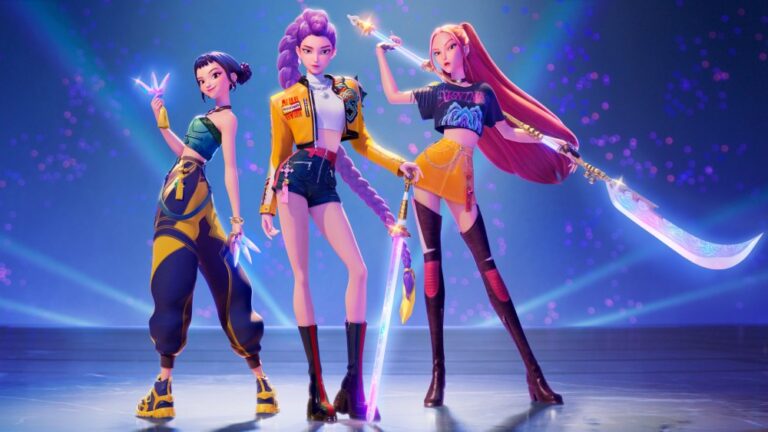
This year, films like “KPop Demon Hunters” and “Little Amélie or the Character of Rain” showcase female co-directors, highlighting the impact of women on the creative process. Their contributions are paving the way for future generations.
Acknowledging Historical Contributions
Mindy Johnson, a CalArts professor, emphasizes that women have always played vital roles in animation, though historically overlooked. “We’ve failed as a society, as a culture, as an industry to tell their stories,” she notes. Efforts to recognize and celebrate these contributions are essential to achieving gender parity.
Johnson points to the growing number of animation programs on campuses, reflecting a trend of young women eager to enter the field and tell their stories. This increasing interest is fostering a new generation of female animators.
Ongoing Challenges and Future Goals
Despite strides made, the animation industry still faces hurdles. Margie Cohn, president of DreamWorks Animation, acknowledges that animation is often pigeonholed as children’s programming, which sometimes underestimates its complexity and appeal. “There have been movements towards promoting women into more leadership positions, but…we’re not gonna see that for a few years,” she adds, pointing to the lengthy production timelines of animated features.
The ultimate aim is to create films with universal appeal while continuing to drive gender equality. Belson emphasizes the need for animation to gain the recognition it deserves, both in terms of creative achievement and industry accolade. By championing the contributions of women and promoting diverse voices, the animation industry can achieve a richer, more equitable future.