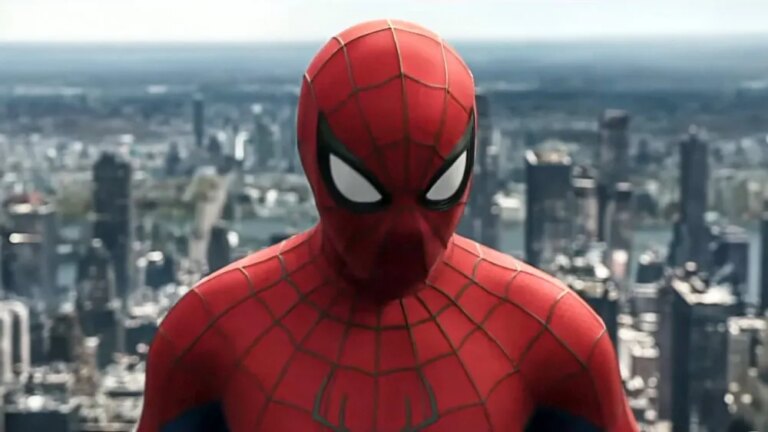
Spider-Man has captivated audiences for decades, but his popularity surged once again with the release of “Spider-Man: No Way Home” in late 2021. The film grossed a staggering $814 million in the U.S. alone, dispelling any lingering doubts about comic-book movie fatigue. The nostalgic appeal of featuring three generations of Spider-Men—Tom Holland, Andrew Garfield, and Tobey Maguire—created a unique cinematic experience. It was like a royal-family reunion in spandex, drawing fans back to the beloved franchise.
The Comic Book Multiverse Reimagined
The success of “No Way Home” owes much to its predecessor, “Spider-Man: Into the Spider-Verse,” released two years earlier. This animated film brilliantly explored the concept of the multiverse, infusing the Spider-Man narrative with dynamic complexity. In contrast, “No Way Home” leaned more heavily on nostalgia and star power, aiming to fill seats rather than exploring new ideas. However, the next installment, “Spider-Man: Brand New Day,” offers a fresh take, solidifying its place as a well-executed adventure, even if it features a Peter Parker who has minimal interaction with his love interest, MJ.
The Timeless Appeal of Spider-Man
Since his debut in 1962, Spider-Man has maintained immense popularity. While Superman and Batman have historically ruled the superhero realm, Spider-Man stands out as a character that resonates deeply with audiences. Christopher Reeve’s portrayal of Superman in the early films remains iconic, and Batman, particularly in Christopher Nolan’s “The Dark Knight,” embodies the dark, brooding qualities that many connect with. Yet, Spider-Man brings a unique blend of relatability and vulnerability that captures modern audiences. This relatability is perhaps the key reason why Spider-Man continues to thrive.
The Rise of Tom Holland
Tom Holland has transformed into the definitive Peter Parker of his generation. As his character transitions from high school to young adulthood, Holland’s portrayal resonates with audiences who grew up with him. His charm and relatable demeanor set him apart from previous iterations, allowing him to strike a chord with a whole new generation. The fatigue surrounding superhero films often stems from the overwhelming presence of multiple characters, but Spider-Man’s deeply personal story provides a refreshing antidote. This focus on one individual’s struggles makes his journey feel more intimate and grounded.
A Symbol of Our Times
Peter Parker embodies the struggles of ordinary life—bullying, romance, and the complexities of identity. This relatability makes Spider-Man a mirror for our time; he grapples with challenges that resonate with many. Unlike earlier superheroes who represented absolute ideals, Spider-Man reflects the blend of darkness and light we all face in today’s tumultuous world. He navigates his way through identity crises and personal dilemmas, making his adventures not just thrilling but also deeply meaningful.
The Duality of Spider-Man
Furthermore, Spider-Man epitomizes the fusion of the golden age of Superman and the gritty realism of Batman. While he dons an all-American red-and-blue suit and gallantly swings across New York City, he also embodies a complexity of emotions and vulnerabilities. In “Brand New Day,” when Peter’s abilities become muddled, it symbolizes the confusion many experience in a chaotic world. Spider-Man resonates with us not only as a hero but as an emblem of our anxieties and aspirations—a romantic figure constantly evolving, yet always clinging to his humanity.
In essence, Spider-Man allows us to explore the various facets of existence while thrilling us with high-flying adventures. He remains a beacon for fans young and old, inspiring generations through his relatable struggles, and reminding us all that even heroes face challenges. Perhaps that’s why we love Spider-Man so much.