The ongoing standoff between the Writers Guild of America West (WGA) and its striking staffers has escalated as both parties remain at an impasse over contract negotiations. The tension has particularly risen outside the SAG-AFTRA headquarters, with emotions running high among employees who have been without pay for nearly six weeks. This article explores the escalating crisis, the demands of the Writers Guild Staff Union (WGSU), and the broader implications for the industry.
Picket Lines and Rising Tensions
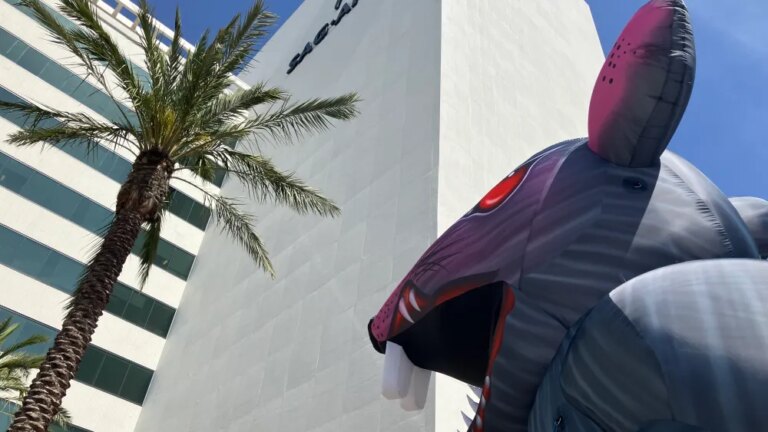
The Writers Guild Staff Union has taken to picketing outside the SAG-AFTRA headquarters, where WGA leaders are currently engaged in negotiations with major studios. Tensions soared on Thursday morning when striking staffers vocally protested against WGA negotiators and managers entering the building. Chants of “Scab!” and “Shame on you!” punctuated the scene, highlighting the deep frustrations among workers who feel undervalued by WGA management.
In efforts to disrupt the proceedings, staffers have been obstructing driveways, causing delays for WGA managers trying to access the SAG-AFTRA parking facilities. The situation escalated on Wednesday night when a threatening confrontation occurred, further intensifying the already charged atmosphere. According to the WGSU, an unaffiliated individual menaced the picketers, exacerbating the sense of vulnerability felt by the striking workers.
Negotiation Stalemate and Worker Safety Concerns
Sean Graham, general counsel for WGA West, is leading talks with the staff union and confronted the group saying, “Take the deal,” referring to ongoing negotiations. WGSU members, however, argue that WGA management is indifferent to their safety and welfare, as evidenced by the union’s statement expressing disappointment in their leadership.
The WGSU, representing approximately 110 WGA West employees, has been on strike for 39 days, demanding improved compensation and job security. In parallel, the WGA is also negotiating with the Alliance of Motion Picture and Television Producers (AMPTP) for a new contract for roughly 11,000 writers, further complicating the situation.
Contract Proposals and Future Developments
In a bid to resolve the strike, the WGSU has submitted a 49-page contract proposal, introducing significant amendments aimed at concluding the walkout. Critical points of contention include the introduction of a seniority-based pay scale and protections during layoffs. The union has called for a response from WGA West executive director Ellen Stutzman by midnight on Monday.
The WGSU indicated that if their offer was not accepted, they would seek resolution through binding arbitration with either the California State Mediation and Conciliation Service or the American Arbitration Association. They emphasized the historic nature of the strike’s duration and criticized management’s adversarial stance.
The WGA-WGSU standoff remains a focal point in the entertainment industry, as both parties navigate this tense period. The broader implications of these labor disputes could have lasting effects on collective bargaining practices across the field.