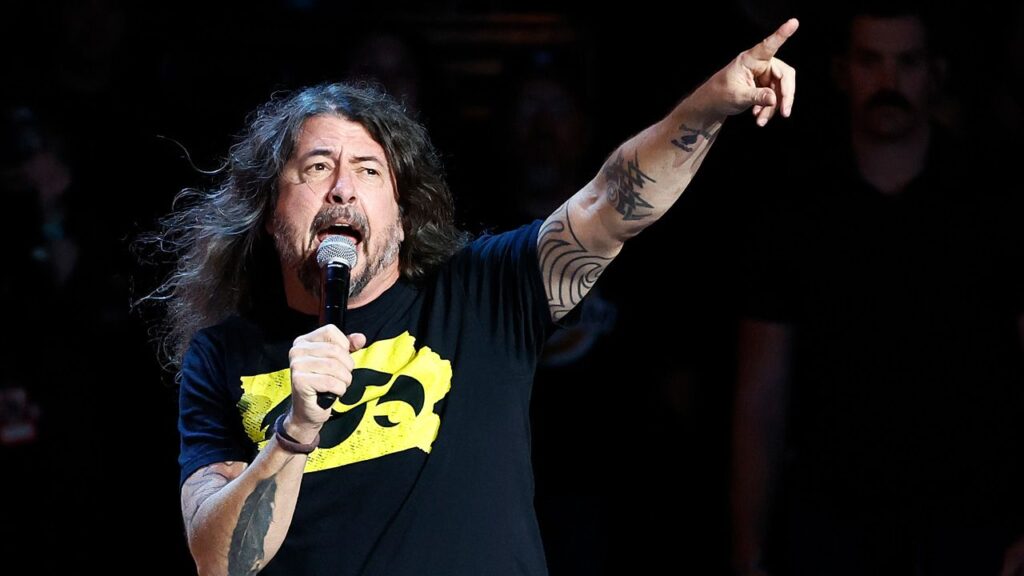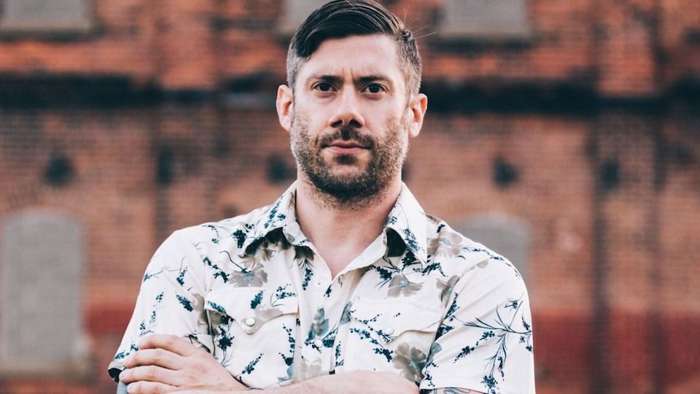
Wes Borland, guitarist of the iconic nu-metal band Limp Bizkit, has sparked significant conversation online this week after he took to social media to express his disdain for supporters of former President Donald J. Trump. In a candid Instagram Story post, Borland declared, “If any of my followers voted or support Trump or are still friends with anyone who supports the Trump administration you’re out. F*ck you. Never contact me again.” This bold statement not only underscores the artist’s longstanding opposition to Trump, but it also highlights the growing rift between celebrities and their followers based on political affiliations.
Wes Borland’s Stance on Politics
This latest outburst is not an isolated incident; Borland has been vocal about his political beliefs for years. During the 2016 election cycle, he openly criticized Trump, urging people to reconsider their support for him. The guitarist’s forthrightness reflects a broader trend in which artists feel compelled to express their political views, especially when it comes to divisive figures such as Trump. With his recent sentiment of “F*ck you. Never contact me again,” Borland emphasizes a clear boundary about who can engage with him based on political affiliations.
The Impact of Celebrity Opinions
In today’s digital age, celebrities wield considerable influence over public opinion. When figures like Borland voice strong political sentiments, it often reverberates through social media, igniting discussions among fans and followers. His statement serves as a rallying point for those who share similar views while simultaneously alienating a portion of his audience who may be supportive of Trump. Borland’s message—“F*ck you. Never contact me again”—has the potential to alienate fans, but it also resonates with many who long for authenticity from their idols.
Fan Reactions to Borland’s Declaration
The backlash to Borland’s Instagram post has been mixed. While some fans commend his bravery for standing firm in his convictions, others question whether it is appropriate for musicians to take such hardline stances. Ultimately, Borland’s declaration that he wants no association with Trump supporters has led to heated debates on social media platforms about the intersection of music, politics, and personal beliefs. His blunt request—“F*ck you. Never contact me again”—highlights a notable moment where art and activism collide.
As the political landscape continues to evolve, artists like Wes Borland will likely remain at the forefront, using their platforms to share their views. Whether or not this alienates portions of their fanbase, it undeniably shapes the ongoing conversation about the role of celebrity in social and political discourse.