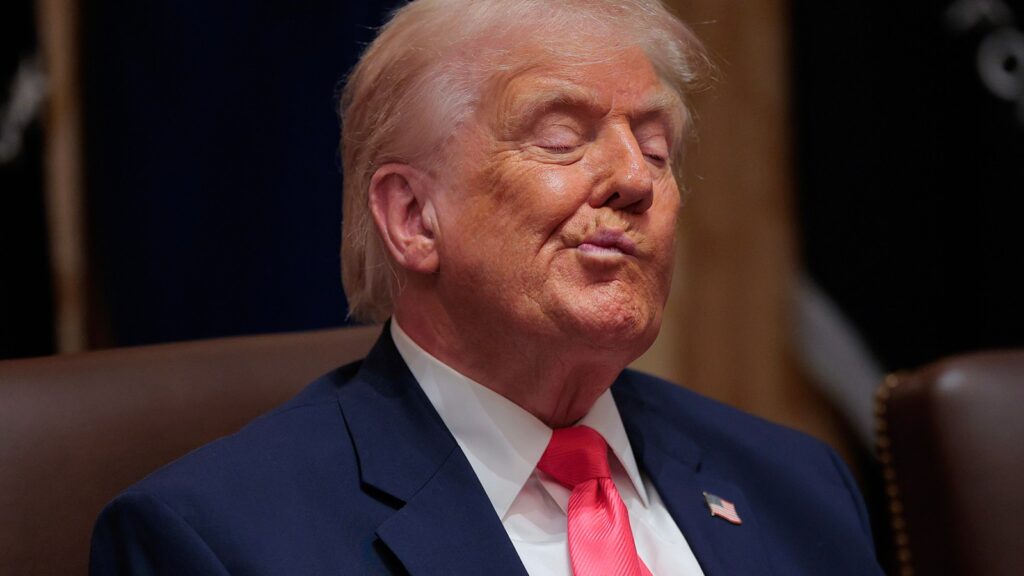
In the current political landscape, the power of presidential pardons is becoming a point of controversy and debate. Allegations suggest that former President Donald Trump is exploiting this power, raising concerns about its implications for corruption and justice. This article delves into how Trump is perceived to be using pardons as a tool to reward allies and potentially legalize corruption, altering the foundational principles of democracy. The central theme here is the controversial “pardon power” wielded during Trump’s time in office.
Unprecedented Use of Pardon Power
Reports indicate that President Trump has issued over 2,000 pardons and commutations, a figure that significantly exceeds his first term’s totals. This surge is not rooted in a pursuit of justice or mercy, as originally intended by the Constitution. Instead, Trump stands accused of using this power to reward partisan allies, engage in pay-for-pardon schemes, and sidestep corruption laws.
The controversy intensified as Trump offered pardons to those involved in the January 6 Capitol riots. This included individuals with violent records, distorting the rule of law that typically governs such decisions. Trump’s pardons weren’t limited to political allies; wealthy business executives and notorious figures in the criminal world also found themselves recipients of presidential clemency.
The Pattern of Alleged Corruption
Critics argue that the pattern of Trump’s pardons points to an intentional strategy to reward loyalty and potential financial supporters. For example, a former nursing home executive avoided significant financial penalties after his mother’s involvement in a costly fundraiser for Trump. Similarly, other high-profile figures from the business world found themselves pardoned after making substantial financial contributions to Trump-supporting PACs.
The pardon of Trevor Milton, a CEO convicted of fraud, raised eyebrows when it coincided with his substantial donations to political entities allied with Trump. Such cases create an appearance that financial backing could influence pardon decisions, sparking public discontent.
Reform and Public Reaction
The use of pardon power in this manner has prompted calls for reform. Proposed amendments aim to restrict presidential pardons for self-benefit and require transparency in decision-making processes related to pardons. Representative Steve Cohen has introduced a constitutional amendment to standardize these safeguards, though achieving bipartisan support remains challenging in a highly polarized political climate.
Furthermore, the Abuse of Power Prevention Act seeks to impose stricter regulations, ensuring the Department of Justice provides detailed explanations for pardons and explicitly bans self-pardons. These initiatives reflect a growing recognition of the need to restore integrity to the presidential pardon process.
There is a discernible public frustration with what many perceive as a “rich-get-richer” approach to justice under Trump’s leadership. While the legal ramifications are still unfolding, the ethical implications remain a critical topic of discussion. Understanding the potential abuse of pardon power is essential for preserving the democratic values upon which the nation is built.