In a dramatic turn of events, former U.S. President Donald Trump has announced plans to take legal action against the BBC, following an edited portrayal of his speech in a recent Panorama documentary. The impending lawsuit, which could seek damages between one and five billion dollars, highlights the escalating tensions between Trump and the media. This bold move comes as the BBC acknowledges its error but maintains there is no defamation claim. The ongoing controversy raises questions about media accuracy and accountability.
Trump’s Lawsuit Announcement
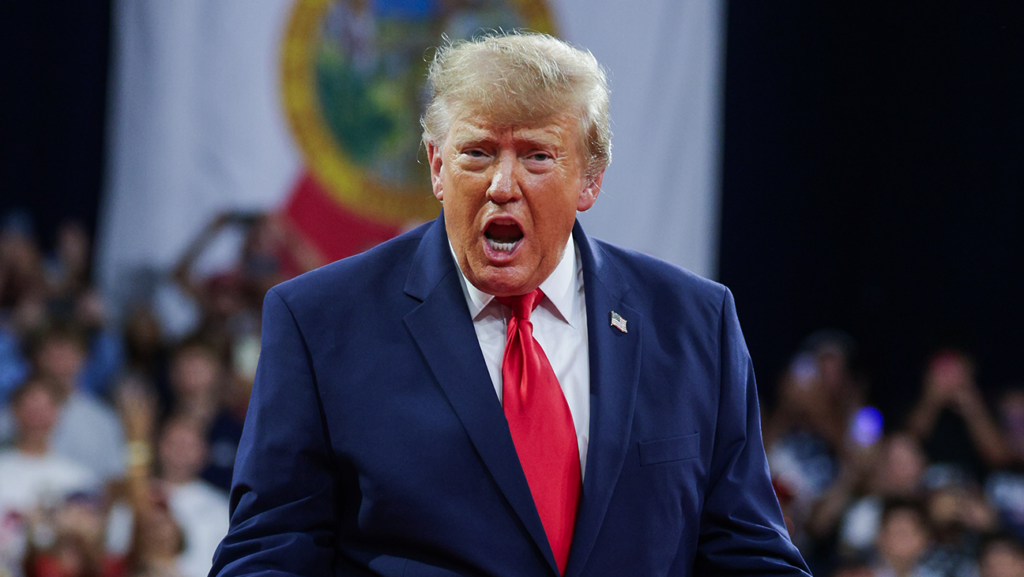
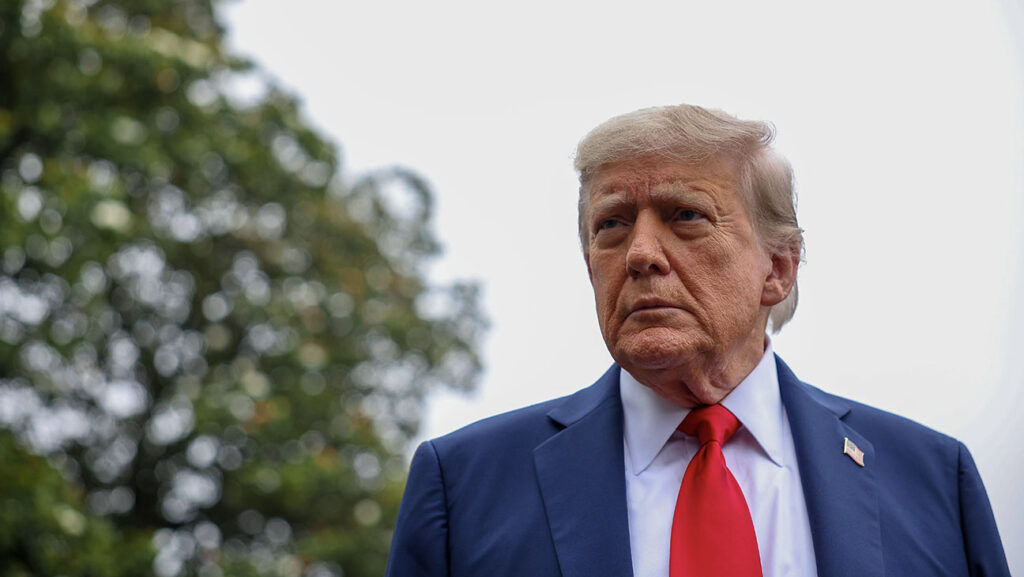
On Friday night, former President Donald Trump revealed intentions to file a substantial lawsuit against the BBC over a controversial edit of his speech in the Panorama documentary. Speaking to reporters aboard Air Force One, he stated, “We’ll sue them for anywhere between a billion and five billion dollars, probably sometime next week.” This declaration follows a public apology from the BBC for the edit but a firm rejection of any compensation claims.
BBC’s Response and Apology
The BBC responded to the editing controversy with both an apology and a defensive stance. A spokesperson confirmed that BBC Chair Samir Shah sent a letter to Trump, expressing regret for the January 6, 2021, speech edit, featured in the program. The statement emphasized their disagreement with the notion of defamation, asserting, “While the BBC sincerely regrets the manner in which the video clip was edited, we strongly disagree there is a basis for a defamation claim.”
Further Reactions and Discussions
Trump emphasized his dissatisfaction during his press encounter, asserting strong British disapproval of the BBC’s actions, which he labeled as “fake news.” He mentioned upcoming discussions about the issue with U.K. Prime Minister Keir Starmer, indicating the international implications of the incident. Meanwhile, top BBC executives, including CEO Deborah Turness and Director-General Tim Davie, resigned following the controversy.
A Pattern of Media Confrontations
This lawsuit against the BBC fits a broader pattern for Trump, who has previously engaged in legal battles with major U.S. media outlets like The New York Times and The Wall Street Journal. His frequent critiques of media organizations underscore ongoing dialogues about media responsibility and transparency. The outcome of this legal action could set significant precedents for future media-related conflicts.
The unfolding legal battle between Donald Trump and the BBC serves as a potent reminder of the contentious relationship between public figures and media entities, highlighting the critical need for accuracy and integrity in journalism.