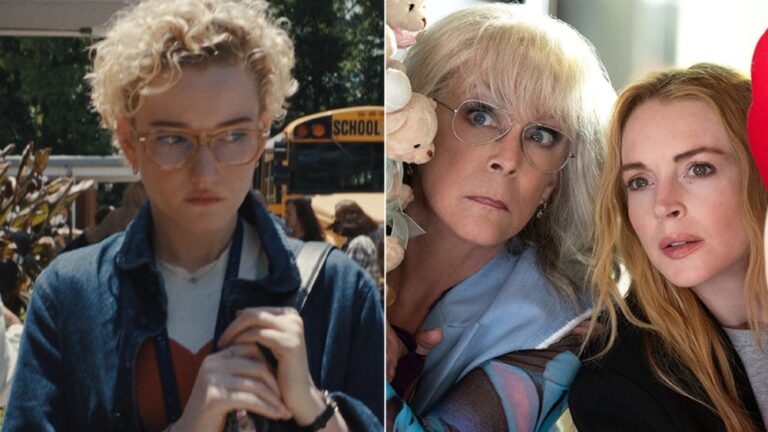
The successful debut of Warner Bros.’ “Weapons” and Disney’s “Freakier Friday” at the box office highlights a growing trend in superhero counterprogramming and the potential for moderately budgeted films. By offering fresh alternatives to superhero blockbusters, these films attracted diverse audiences and proved that there is ample room for various genres in the cinematic landscape. The keyword “superhero counterprogramming” lies at the heart of this trend, pointing to the evolving strategies in the film industry to draw moviegoers back to theaters.
Superhero Counterprogramming: A New Era in Cinema
The recent triumphs of “Weapons” and “Freakier Friday” illustrate the success of superhero counterprogramming by targeting specific audience segments. Brent Lang, Variety executive editor, elaborated on this strategy in the latest episode of the “Daily Variety” podcast. “[‘Weapons’ and ‘Freakier Friday’] were really effective examples of counterprogramming. One was going for kind of younger female audiences, and the other was going for slightly older male audiences,” says Lang. This diversity in audience focus, along with their differing ratings, underscores how varied movie releases can bolster the industry’s appeal.
The success of such films is crucial for theaters, which depend heavily on foot traffic and concession sales. By providing a mix of genres and releases, theaters can foster consistent visitor habits. However, Lang points out a potential lull in forthcoming releases, emphasizing the need for steady scheduling to maintain audience engagement.
Locarno Film Festival’s Rising Influence
While superhero counterprogramming captures attention, mid-sized film festivals like Locarno play an increasingly pivotal role in the global film industry. Variety international editor John Hopewell comments on this trend, sharing insights from Locarno, Switzerland. Events like the Locarno fest’s award ceremony for Emma Thompson garner significant attention, especially in an era dominated by rapid online media coverage.
The evolution of festivals such as Rotterdam in the late 1980s introduced film sales marketplaces in addition to screenings. This integration has become a model for others, including San Sebastian and Locarno. Hopewell notes, “Locarno, as with San Sebastian, are amongst the best festivals in Europe that have developed the most sophisticated of bouquet of industry sections, attractions and debates.” These festivals are now critical hubs for industry connections and artistry.
The Broader Impact on the Film Industry
The rise of superhero counterprogramming and the strategic importance of mid-sized festivals reflect broader shifts within the film industry. Studios are beginning to recognize the value of diverse content and strategic partnerships, catering to specific audience niches and fostering international collaboration.
The success of films like “Weapons” and “Freakier Friday” not only demonstrates a demand for varied storytelling but also emphasizes the importance of festivals like Locarno in shaping the cinematic landscape. As the industry evolves, these elements will continue to influence how stories are shared and celebrated worldwide.