Scotland has taken a groundbreaking step by introducing the world’s first national Film and Screen Curriculum, seamlessly integrating filmmaking into classrooms for students aged 3 to 18. This innovative initiative aims to foster creativity and industry understanding among young learners, positioning Scotland at the forefront of educational transformation. The Film and Screen Curriculum is set to enhance educational engagement while paving pathways to cinematic careers.
Launch of a Pioneering Curriculum
The Film and Screen Curriculum, part of Scotland’s Curriculum for Excellence, was officially launched at the Dundee Contemporary Arts center. This initiative, driven by Screen Scotland, Education Scotland, and the Scottish Government, represents a significant educational advancement. After three years of development and testing in 30 local authorities, this program has already reached over 6,000 pupils, illustrating a strong foundation for national implementation.
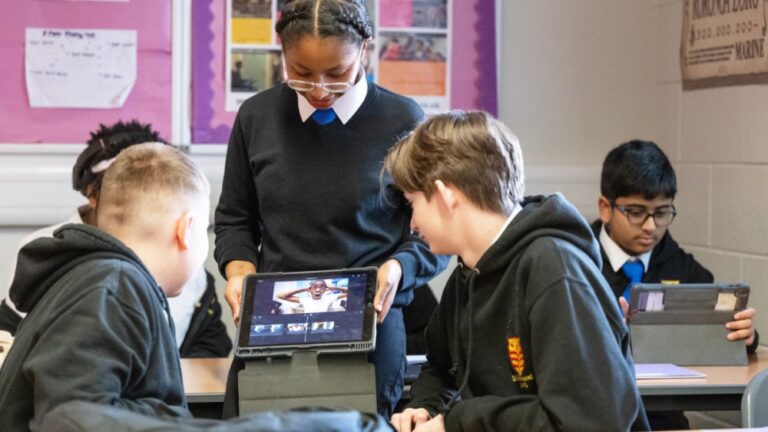
From capturing playground footage with iPads to producing professional short films, students across different educational stages have been exploring various aspects of filmmaking. New SQA Film and Screen Awards at Levels 5 and 6 will offer senior pupils the opportunity to gain accredited qualifications, providing a structured pathway into the film and screen industry.
Industry Backing and Educational Impact
Fi Milligan-Rennie, head of education-screen at Screen Scotland, emphasized the curriculum’s potential to democratize opportunities within the film and screen industries in Scotland. “It builds confidence, and we have seen the tremendous positive impacts it has already had for pupils across Scotland,” she remarked.
The curriculum has garnered support from notable figures in the industry. Actor James McAvoy, who penned the curriculum’s foreword, described it as a significant step in making film education accessible and relatable. Other actors such as Mark Bonnar and Dougray Scott have also endorsed the initiative.
Successful Pilot Programs and Future Prospects
The rollout follows successful pilot phases where screen educators were embedded in schools, and teachers participated in training programs. According to Screen Scotland, 97% of students involved in the pilots reported acquiring new skills, while 100% of teachers observed increased engagement and literacy levels among pupils.
Education Secretary Jenny Gilruth highlighted the program’s potential in fostering continued growth in film and screen learning. Culture Secretary Angus Robertson celebrated the curriculum as a magical addition to classroom learning, emphasizing its role in cultivating Scotland’s future film talent. The Scottish Government anticipates the screen sector’s contribution to the economy to reach £1 billion by 2030.
Teachers and Students Embrace Innovation
Educators and students have expressed enthusiasm for the curriculum. Laura Heggie of Graeme High School noted that the program encourages pupils to take ownership of their learning. Kian McLear, a student at Drummond Community High School, praised the balance between practical activities and analytical learning, resulting in an engaging educational experience.
While the new subject remains non-compulsory, Screen Scotland is optimistic that the program will gain widespread adoption due to the enthusiasm seen during pilot stages.