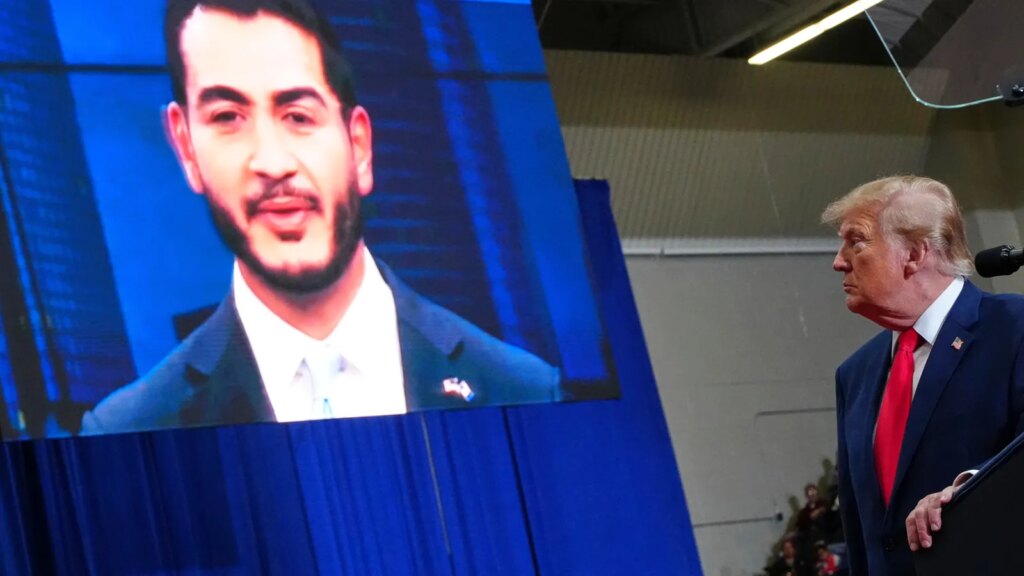
In recent months, the political landscape in the United States has taken a troubling turn, with the 2026 midterm elections shaping up to be one of the most racially charged in recent memory. The Republican Party, influenced by a far-right movement reminiscent of the Tea Party’s rise during Barack Obama’s first midterm elections in 2010, seems to be relying on incendiary racially charged rhetoric rather than the fiscal conservatism it once championed. With ongoing challenges such as a war in Iran, soaring gas prices, rampant inflation, and a housing crisis, the GOP’s playbook has shifted dramatically to exploit divisions rather than address economic realities.
The Resurgence of Racial Politics
Historically, the Tea Party’s emergence capitalized on economic dissatisfaction, but the current Republican strategies resonate on a different note—one steeped in racial animus. Health and Human Services Secretary Robert F. Kennedy Jr. recently made disparaging remarks referencing Arabs that illustrated the kind of rhetoric fueling this election cycle: “There’s five hundred million Arabs in the world,” he said, “And yet they don’t produce science. They don’t win the Nobel Prize. They don’t win the Fields Prize. They don’t win the Wolf Prize. They don’t produce literature.”
RFK: “There’s five hundred million Arabs in the world. And yet they don’t produce science. They don’t win the Novel Prize. They don’t win the Fields Prize. They don’t win the Wolf Prize. They don’t produce literature.” pic.twitter.com/ikZHqklQjE
— Bulwark Clips (@BulwarkClips) October 26, 2026
Targeting Candidates of Color
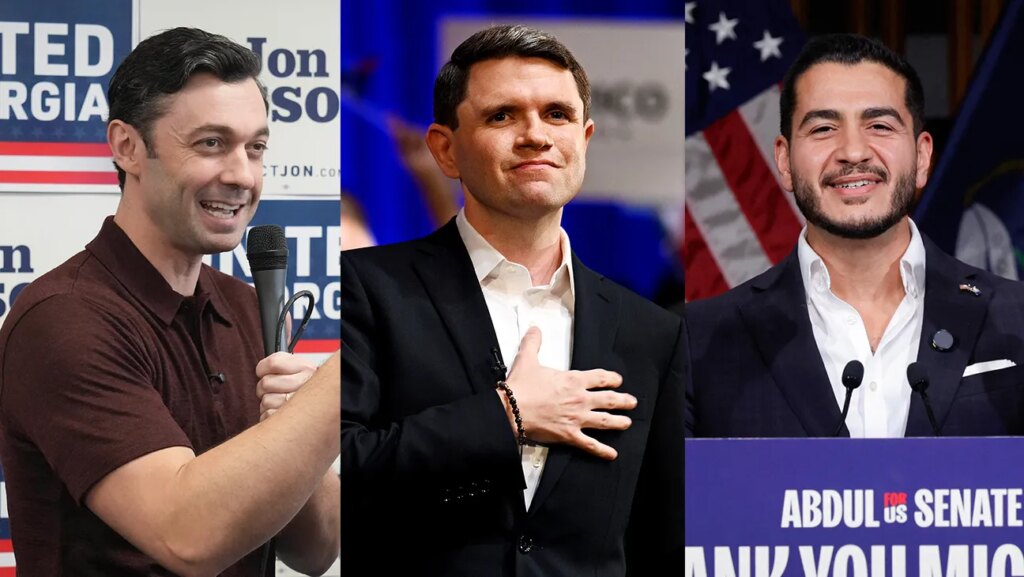
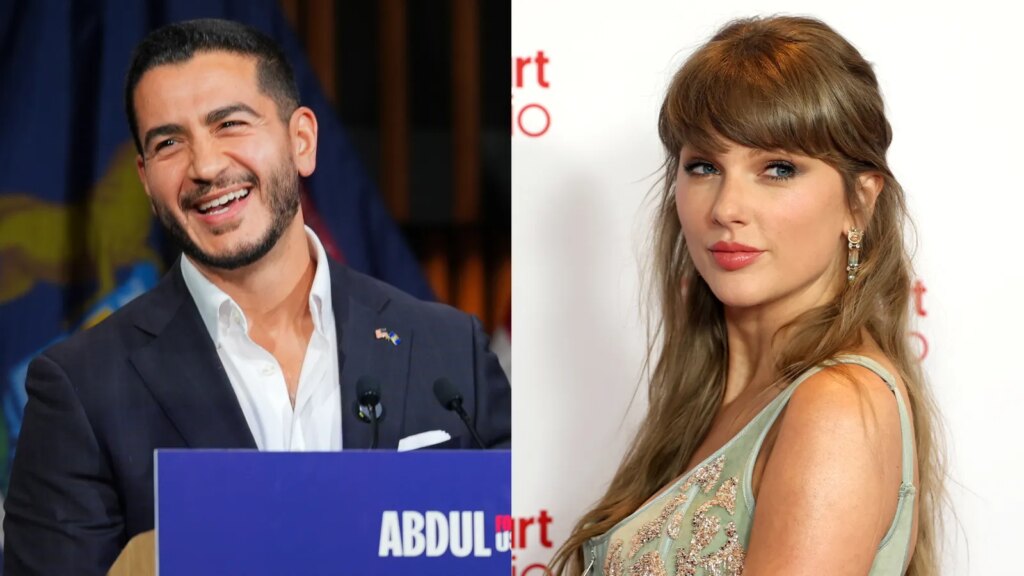
Central to this year’s racially charged environment is Michigan Senate candidate Abdul El-Sayed, a Muslim and progressive figure facing intense backlash not just from right-wing circles but also from mainstream political factions. El-Sayed’s candidacy has become a focal point for racist attacks; Donald Trump has been particularly egregious in his assaults, insinuating that El-Sayed would usher in chaos: “If Abdul and the Democrats win, they will open the floodgates and invite hordes of jihadis to our shores, creating a nightmare of violence and terror until you cannot even have a Christmas,” Trump declared at a rally in Port Huron.
Trump has made a series of increasingly outrageous comments about El-Sayed, including baseless claims of his connections to the Muslim Brotherhood and mocking his name in a way that invokes stereotypes about Muslims. On one occasion, he said, “His name is actually Abduladadalalalala. It’s Adulbabababababa Mohammed Al-Sayed. So his middle name is Mohammed. So I was right. He’s a jihadist.” Such rhetoric is not just offensive; it can have dangerous implications in an already charged sociopolitical atmosphere.
Trump on El-Sayed: “His name is actually Abduladadalalalala. It’s Adulbabababababa Mohammed Al-Sayed. So his middle name is Mohammed. So I was right. He’s a jihadist.” pic.twitter.com/Zu0EKJOWtJ
— Aaron Rupar (@atrupar) October 16, 2026
The Broader Context of Racism in Politics
The attacks on El-Sayed reflect a broader trend of racism within the GOP, which has ties stretching back decades. From Ronald Reagan’s infamous “welfare queen” rhetoric, a thinly veiled critique of Black Americans, to Trump’s conspiracy theories regarding Barack Obama’s birthplace, the party has continuously leaned into fear-mongering based on race.
In this current environment, we see a pattern of attacks against individuals of kleur. This includes the targeting of Somali-American Representative Ilhan Omar, whose home was raided by federal agents as part of an investigation that many view as political harassment. Trump has regularly suggested that Omar should be deported and has referred to her head coverings in derogatory language. Such actions and statements contribute to a climate of fear and hostility toward diverse communities that are often portrayed as “other.”
The Desperation of the GOP
The GOP’s current strategy of stoking racial animus hints at its desperation. Facing declining popularity and a potential electoral backlash, their narrative seems to pivot towards dividing communities based on identity rather than building consensus. Figures like Vice President JD Vance have even accused El-Sayed of “anti-white” racism in another blatant attempt to wield white identity politics against a candidate who represents progressive values.
The language and imagery employed now echo a long history of racism in American politics. It serves as both a rallying cry for their base and a tool of manipulation intended to distract from real issues such as economic hardship and social inequality. The GOP’s reliance on fear-mongering is not a sustainable strategy, as it alienates large swaths of voters who may ultimately reject the divisive tactics in favor of a more inclusive message.
As this election cycle progresses, one thing remains clear: the animosity driven by the GOP threatens to undermine the fabric of American democracy, promoting not just division but hatred among communities that should strive for unity. It is imperative that voters recognize these tactics for what they are, and seek a path forward that embraces diversity rather than disparages it.