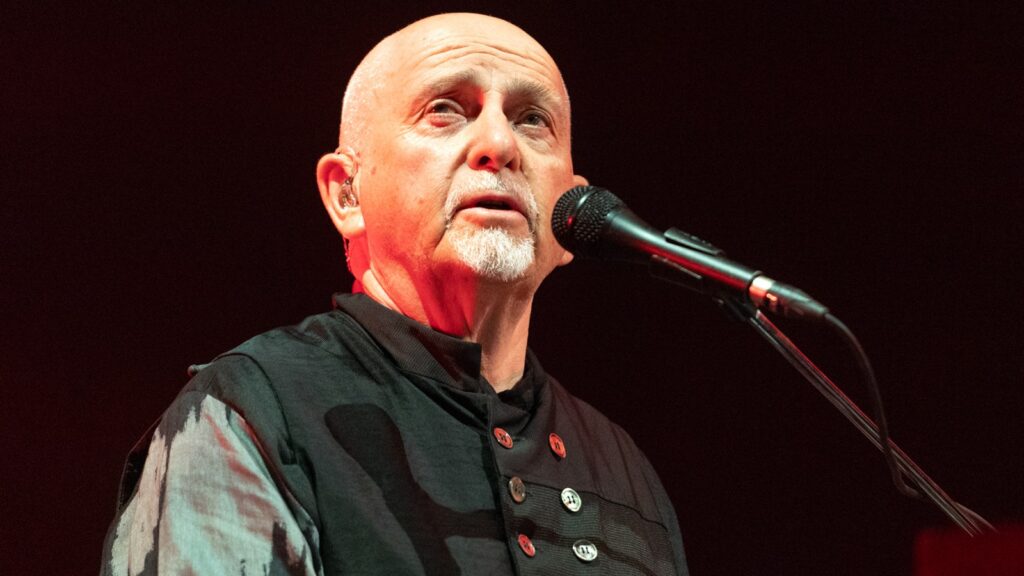
In the ever-evolving landscape of music, artists often face the challenge of staying relevant while honoring their legacy. For Peter Gabriel, it’s time to embrace his past. With a history that spans decades and a body of work that has deeply influenced the rock genre, Gabriel stands at a crossroads where acknowledging his roots could invigorate his career and introduce his artistry to a new generation. This article explores why Peter Gabriel should reconnect with his history and the potential benefits of doing so.
The Struggle for Relevance
Peter Gabriel recently kicked off 2026 with an intriguing plan: releasing a song from his upcoming album o/i every full moon, starting with “Been Undone” on the year’s first Wolf Moon. While this strategy allows each track to shine independently and imposes deadlines on the usually relaxed artist, it also highlights a significant issue. Gabriel’s previous album, i/o, though critically acclaimed, struggled to make a cultural impact beyond his loyal fan base. The disparity in recognition is partly due to his limited discography since his 1986 hit album So, and an extensive hiatus between albums.
Learning from Peers
Comparing Gabriel to his contemporaries, Bruce Springsteen stands out as a model for maintaining relevance. Springsteen’s continuous engagement with his past through memoirs, documentaries, and special re-releases has ensured his legacy resonates with both old and new audiences. Similarly, Bob Dylan has mastered the art of preserving his history, allowing his story to be retold through various media. Even David Byrne, with whom Gabriel shares striking parallels, has maneuvered from his Talking Heads fame to reclaim his artistry through innovative projects.
The Power of Nostalgia
Gabriel’s reluctance to delve into his Genesis days or revisit earlier solo works has kept some potential fans at bay. While his contributions to Genesis lack the instant recognition of tracks like “Burning Down the House,” his work remains deeply respected in prog rock circles. Tribute bands and former bandmates continue to draw crowds with the music he once helped create. It’s clear: embracing his musical heritage could significantly boost his current standing.
Reimagining the Future
For Gabriel, re-engaging with his roots doesn’t mean living in the past. It means creating opportunities to showcase his diverse, impressive catalog. Re-releasing deluxe versions of his early albums, scheduling intimate theater performances, and penning a memoir could revitalize his career. A Genesis reunion, while perhaps unlikely, would surely ignite interest. By shedding light on his past achievements, Gabriel can captivate both longtime fans and newcomers, reaffirming his status as a rock legend.
With the right moves, Peter Gabriel’s embrace of his legacy could herald a renaissance, bringing deserved recognition to his vast contributions and ensuring his place in music history for generations to come. It’s time for Peter Gabriel to embrace his past, and in doing so, redefine his future.