Korean cinema is at a crossroads as it grapples with significant challenges that threaten its vibrant theater scene. At the forefront of this struggle is renowned director Park Chan-wook, whose insights at the Busan International Film Festival shed light on the complex factors driving this crisis. With the keyword, “Park Chan-wook on Korea’s Cinema Crisis,” at the heart of this discussion, the industry faces declining admissions, fierce competition from streaming platforms, and changing consumer habits.
The downturn is evident, with ticket sales plummeting to just 40.7 million in the first half of 2025, a stark decrease from 62.9 million the previous year. This trend risks pushing annual admissions below 100 million for the first time since 2004, apart from the pandemic years. Park Chan-wook on Korea’s Cinema Crisis highlights this alarming situation, emphasizing the critical role of theaters in the cinematic experience.
The Theatrical Experience Under Threat
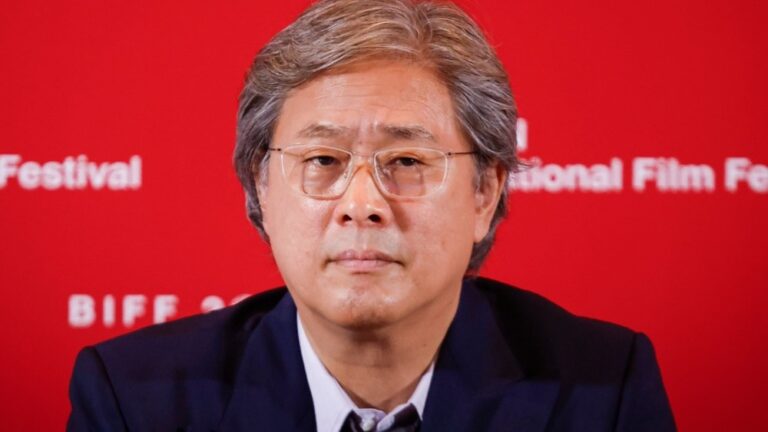
At a recent festival, Park Chan-wook discussed how theaters are central to the film experience. “The audience is coming all together in front of a huge screen…you are completely severed from any kind of temptations,” he noted. Despite this, there is hope that his film “No Other Choice,” starring Lee Byung-hun and Son Ye-jin, could help draw audiences back to theaters.
“No Other Choice” is a timely exploration of societal issues, portraying middle-class struggles through the story of Man-su, played by Lee. As he resorts to drastic measures to secure employment, the narrative questions the sustainability of human efforts in an increasingly automated world. This film, as Park Chan-wook on Korea’s Cinema Crisis suggests, mirrors ongoing labor concerns.
Controversy and Support: Expulsion from the WGA
Park Chan-wook also faced expulsion from the Writers Guild of America, a move tied to alleged writing activities during the 2023 strike. He expressed his surprise, clarifying, “We didn’t think or consider that we were writing during the strike.” Despite the misunderstanding, he voiced continued support for the union’s goals. “We fully agree and support their actions,” he affirmed, while navigating the controversy surrounding the incident.
Busan International Film Festival’s Impact
Reflecting on the 30-year history of the Busan International Film Festival, Park acknowledged its role in broadening Korean audiences’ cinematic exposure. “For a very long time, [for] Korean moviegoers, when you think about a movie, it was usually centered on Korean films or American films,” he said. The festival has opened doors to a diverse range of films, promoting cultural understanding and appreciation beyond local and Hollywood cinema.
“No Other Choice,” a collaborative effort with a talented cast and production team, has already gained attention, having competed at the Venice Film Festival. As the situation evolves, Park Chan-wook on Korea’s Cinema Crisis remains a potent reminder of the changes and challenges facing Korean cinema today.