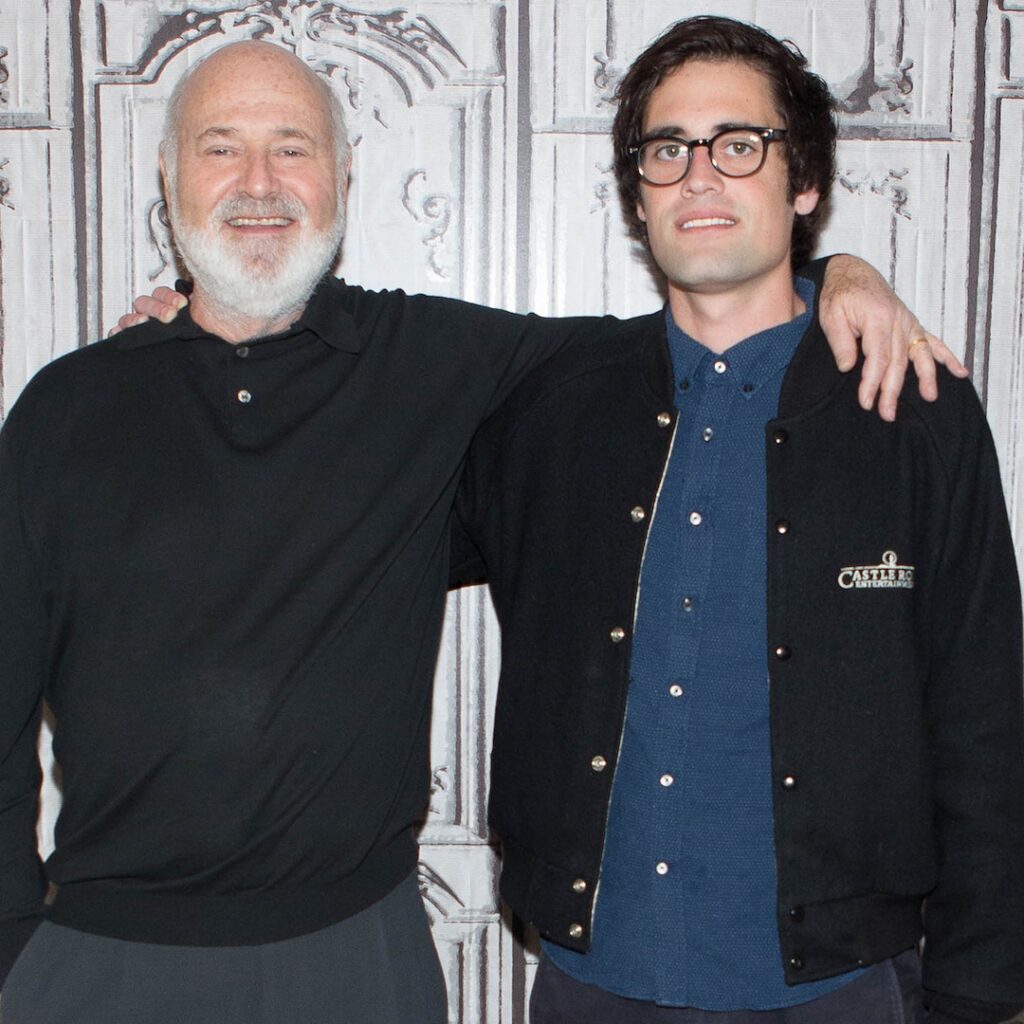
Nick Reiner’s life has been marked by personal battles, notably his journey through conservatorship and substance abuse challenges. His struggles, often overshadowed by the fame of his father, Rob Reiner, and mother, Michele Reiner, have drawn public attention. The intertwining of family dynamics and addiction offers a poignant narrative that explores the depths of parental instincts versus professional advice. This article delves into Nick Reiner’s conservatorship before it became widely known due to the tragic events involving Rob and Michele Reiner.
Nick Reiner’s Struggles and Creative Outlet
Over the years, Nick Reiner has openly discussed his battle with substance abuse, which began in his teenage years, leading him to seek rehabilitation 18 times. In 2015, he collaborated with his father, Rob Reiner, to co-write the semi-autobiographical film Being Charlie. This poignant film portrays a father attempting to help his son confront addiction, offering insight into their personal experiences.
In an interview with Entertainment Tonight in 2016, Rob Reiner reflected on the movie. “It’s reflected in the movie where the father character talks about how he didn’t know what to do, so he listened to anybody who had a desk and a diploma,” he stated. This candid admission highlights the complexities parents face when trying to help their struggling children.
Lessons from the Past
Rob Reiner has openly shared his regrets regarding his past approach to Nick’s addiction issues. “Had I listened to my own instincts, I would have done a lot better by Nick. But you do what you do,” he expressed. His words underline the difficult balance between following expert advice and trusting parental intuition.
The Spinal Tap director elaborated on the challenges of navigating expert opinions while trying to keep his son safe. “You feel you’re at their mercy. But what I feel after all of this is it’s not about punishing. If somebody is struggling and has difficulties, you don’t punish them for that.”
The Broader Implications of Conservatorship
Nick Reiner’s situation sheds light on broader issues surrounding conservatorship and how it intersects with personal struggles. His journey before the spotlight was thrust upon the Reiner family brings attention to how families cope with challenges that often remain hidden from public view.
This narrative is a testament to the need for compassion and understanding, recognizing that healing often requires more than just expert advice, but also a deep connection and empathy from loved ones. It is this delicate balance that Nick Reiner continues to navigate in his path towards recovery.