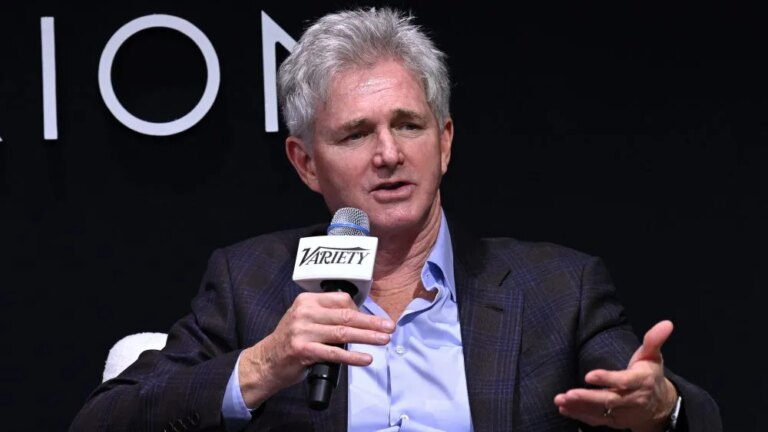
In the ever-evolving landscape of professional sports, the NFL continues its vigorous campaign to attract a broader fan base. Under the leadership of CMO Tim Ellis, the NFL is navigating a path to inclusivity and excitement, emphasizing that not every decision will please everyone. This strategy is central to broadening the appeal of America’s favorite sport, engaging diverse audiences, and ensuring the league’s growth. In this article, we delve into Ellis’s innovative approach and the milestones achieved in reaching new fans, while staying true to the essence of football.
Redefining Fan Engagement
As the NFL gears up for another Super Bowl, Chief Marketing Officer Tim Ellis is steering the league through a phase of unprecedented regular-season success, marked by a 10% rise in viewership in 2025. Ellis, who made the transition from video gaming titan Activision in 2018, has introduced a groundbreaking “helmets off” strategy. This initiative highlights star players and emerging talents, offering a more relatable and humanized portrayal of the athletes.
Ellis notes the significant expansion of the NFL’s fan base, emphasizing that it now includes over 200 million fans across the United States. The goal has been to foster a more inclusive atmosphere, welcoming women, people of color, and international viewers into the fold. The inclusion of these diverse groups is crucial in presenting the NFL as more accessible and aligned with today’s cultural values.
Innovative Outreach to New Audiences
Ellis explains the NFL’s deliberate move to widen its appeal beyond hardcore football enthusiasts. By connecting with the cultural and entertainment interests of Gen Z, such as music, fashion, and gaming, the league has successfully engaged younger audiences. This outreach involves partnerships with influential creators like IShowSpeed and MrBeast, who bring the NFL closer to global audiences through innovative campaigns and events.
The adoption of gentler forms of play, like flag football, has also been key to broadening youth participation. By promoting flag football in schools and working towards professional and Olympic recognition, the NFL is committed to making football accessible and enjoyable for everyone.
Cultural Icons and the NFL Brand
Cultural collaborations, including high-profile Halftime Show performances, underline the importance of bridging football with wider entertainment trends. Bad Bunny‘s involvement, following Kendrick Lamar‘s successful performance, shows the league’s dedication to reaching diverse and international audiences. “You have to be willing to not please everyone,” Ellis emphasizes, reinforcing the NFL’s intention to take risks that foster growth and rejuvenate the brand’s image.
The impact of cultural icons extends beyond the field. As seen with Taylor Swift’s effect on boosting female viewership among young women, these strategies have energized segments crucial to the league’s future. Collaborations with influencers like Simone Biles and partnerships with the spouses of players further demonstrate the commitment to embrace multifaceted channels to engage fans.
Through a blend of tradition and innovation, the NFL’s strategy is reaching new heights, ensuring the sport resonates with current fans while attracting new ones. With Tim Ellis at the helm, the NFL’s bold approach continues to chart a course of inclusivity and growth, solidifying its place in American culture and beyond.