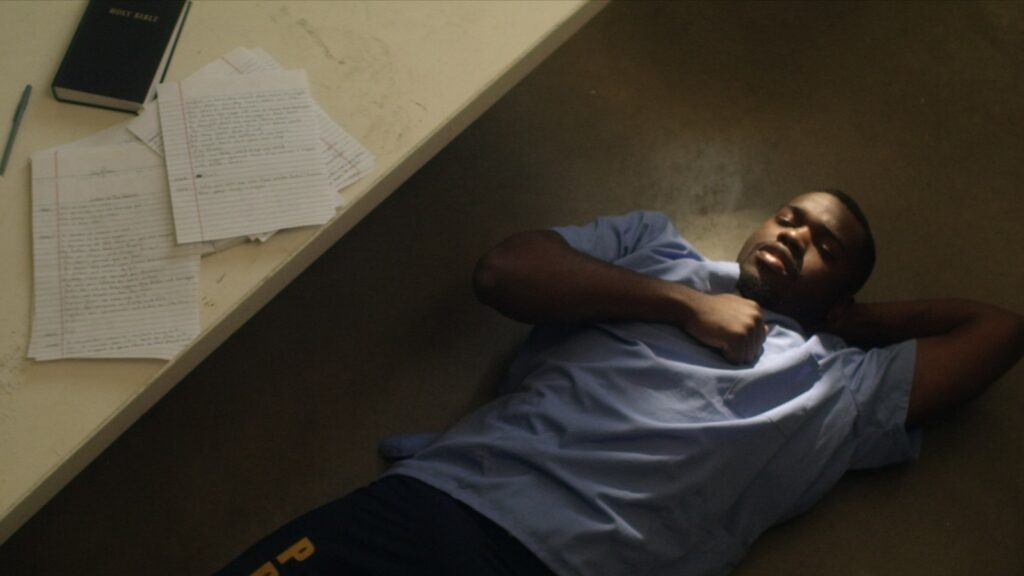
In an era where prison reform is a topic of global discussion, the Netflix documentary ‘Songs From the Hole’ emerges as a powerful narrative that invites viewers to reconsider the intricacies of our prison system. The film, directed by Contessa Gayles, follows the transformative journey of James “JJ’88” Jacobs, a Long Beach native whose story challenges perceptions of justice and rehabilitation. Through a blend of music, personal history, and restorative justice, ‘Songs From the Hole’ compels audiences to contemplate the deeper impacts of incarceration.
The Sacred Power of Music
Music serves as a sacred conduit for storytelling and transformation in ‘Songs From the Hole.’ Director Contessa Gayles skillfully intertwines the narrative of James “JJ’88” Jacobs with his evocative visual album. A murder at 15 set JJ on a path to a life sentence, yet from prison, he found a different kind of liberation through music. Inspired by iconic works like Beyoncé’s Lemonade, JJ crafted songs that reflect his vulnerability and commitment to nonviolence. The documentary showcases how music not only became a form of expression but also a tool for personal and spiritual liberation.
A Journey of Restorative Justice
‘Songs From the Hole’ delves into themes of restorative justice, reminiscent of Gayles’ previous work, The Feminist on Cellblock Y. The film captures JJ’88’s profound encounter with the man who killed his brother, illustrating the potential for healing and transformation. This narrative challenges the punitive paradigms of the traditional prison system, advocating instead for empathy and reconciliation. JJ’s encounter and his subsequent journey to forgiveness demonstrate the profound impact of acknowledging shared humanity, even amidst past grievances.
Family Support and Emotional Resilience
The documentary highlights the vital role of family support in JJ’s rehabilitation. Despite a life sentence, his family remained unwavering in their belief in his redemption. Gayles expertly captures the dynamics of JJ’s interactions with his family, from moments of joy to the depths of disappointment, as seen when parole is denied. These intimate glimpses into their lives emphasize the often-overlooked emotional toll of incarceration on families, showcasing a network of love and hope that fuels JJ’s resilience.
Art as Redemption
JJ’88’s story underscores the restorative power of art in personal redemption. His music becomes a vehicle for processing complex emotions and advocating for change. The documentary sheds light on the systemic barriers faced by incarcerated artists, yet also reveals how creativity can transcend these confines. By framing hip-hop as a medium for rehabilitation rather than a threat, ‘Songs From the Hole’ encourages a reevaluation of how institutional systems perceive art and its creators.
Ultimately, ‘Songs From the Hole’ is a testament to the potential for personal growth amidst adversity. JJ’88’s journey serves as an inspiration for embracing vulnerability and transformation through art and forgiveness. The documentary not only paints a vivid portrait of one man’s redemption but also provokes broader reflection on justice, empathy, and the human capacity for change.