Japanese writer-director Miyake Sho’s latest film, “Two Seasons, Two Strangers,” is making waves at the Busan International Film Festival. Known for his previous Golden Leopard win, Miyake’s new offering is a captivating adaptation of two classic manga by renowned artist Tsuge Yoshiharu. This film intertwines two distinct narratives, each rooted in contrasting seasonal landscapes, showcasing Miyake’s unique cinematic vision.
Adapting Tsuge’s Timeless Tales
Drawing inspiration from Tsuge’s 1967 and 1968 short stories, “Two Seasons, Two Strangers” follows Lee, a screenwriter portrayed by Korean actress Shim Eun-kyung. The narrative unfolds through Lee’s summer and winter journeys — the former set in a seaside town, the latter in a secluded mountain lodge. These dual tales create a rich tapestry of seasons, enriching the viewer’s sensory experience.
Miyake shared with Variety how the visual juxtaposition of summer and winter sparked his creative process. “By presenting two contrasting seasons, I felt that our senses could be refreshed, unexpected surprises might emerge,” he explains, highlighting the depth and complexity he sought to infuse into the film.
The Challenges and Breakthroughs of Adaptation
Developed during the pandemic in 2020, Miyake’s commitment to adapting Tsuge’s refined manga style was initially daunting. “The more I read Yoshiharu Tsuge’s manga, the more I felt its expression was so refined that I doubted whether I could approach the essence of cinematic expression in the same way,” Miyake admits.
The turning point came with casting Shim Eun-kyung and reimagining the central character as a screenwriter. This decision allowed Miyake to explore the nuances of linguistic duality, capturing how different languages reveal varied facets of a person’s identity.
Crafting a Cinematic Journey
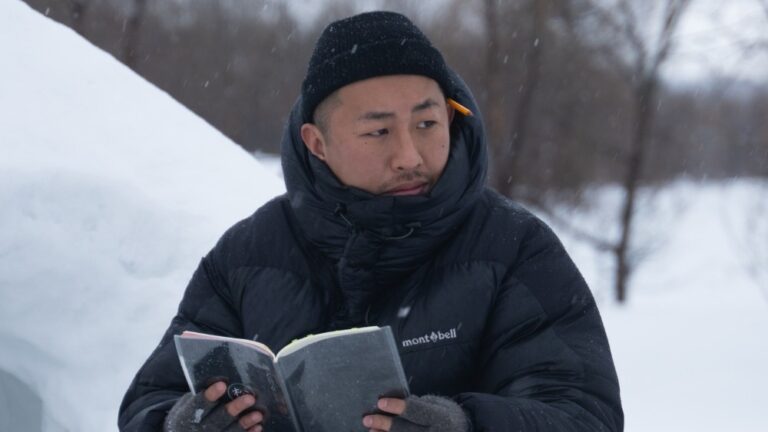
Miyake embarked on extensive location scouting to authentically capture the film’s seasonal diversity. The summer scenes, traditionally set in Chiba according to the original manga, were filmed on Kozushima island, known for its striking cliffs. For the winter sequences, Yamagata’s Shonai region provided a dramatic, snowy backdrop.
Collaborating once more with cinematographer Tsukinaga Yuta, Miyake’s goal was to create an immersive experience. “What each audience member feels on this cinematic journey is left open to their own sensibilities,” he states, inviting viewers to engage deeply with the film’s sensory and emotional landscapes.
The Roles of Humor and Sadness
Veteran actor Tsutsumi Shinichi’s character brings a pivotal moment to the film, emphasizing the balance between comedy and sadness in storytelling. Miyake echoes this sentiment, drawing parallels to Nina Simone’s “O-o-h Child,” aiming to blend humor with an undertone of human complexity.
Looking ahead, Miyake continues to explore new cinematic territories. He remains inspired by Aoyama Shinji’s profound approach to the history of cinema and is keen on probing what cinema as an art form can achieve. His advice to aspiring filmmakers underscores the collaborative nature of filmmaking, encouraging innovation and exploration of unexpected avenues.