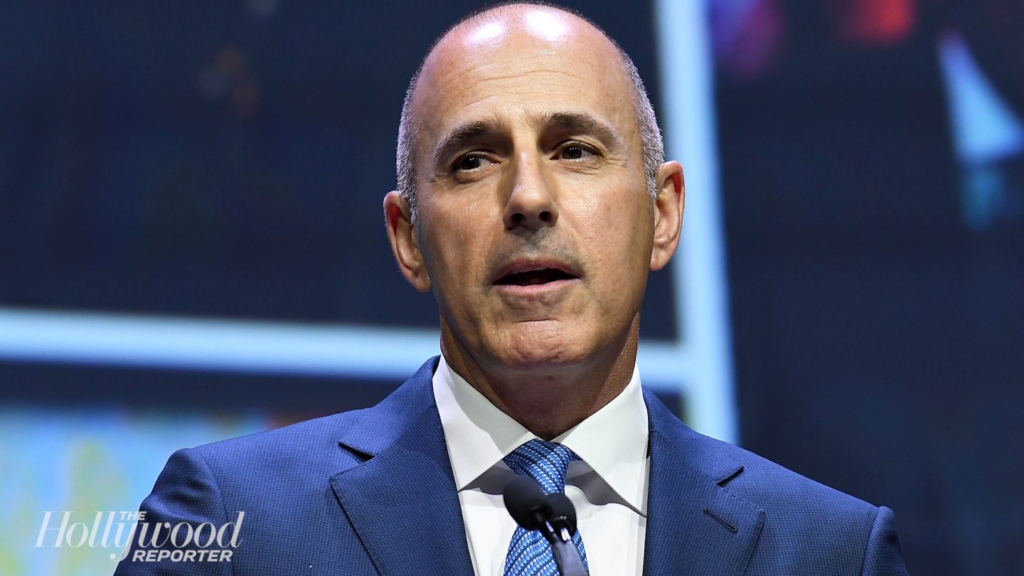
In her new book, the woman who accused Matt Lauer of rape shares that following the leak of her identity, she was admitted to a psychiatric facility to deal with the intense aftermath. This revelation sheds light on the emotional turmoil experienced in the wake of her accusations, leading to Lauer’s dismissal from NBC News.
Revealing the Story: A Complex Relationship
In “Unspeakable Things: Silence, Shame, and the Stories We Choose to Believe,” former NBC News talent producer Brooke Nevils provides an in-depth account of her interactions with Matt Lauer, including an encounter during the 2014 Sochi Olympics she considers to have been rape. Following her report, Lauer was quickly terminated by NBC. Nevils explores the emotional impact of coming forward, revealing the subsequent psychological toll.
Aftermath and Psychological Struggles
After being publicly identified as Lauer’s accuser, Nevils entered psychiatric care. She describes feeling like she had violated an unspoken rule at NBC and that she was to blame for the consequences on her life and those around her. This profound despair culminated in her spending 10 days in treatment, where she was diagnosed with post-traumatic stress disorder, a common aftermath of sexual assault.
“When I decided to write this book, I actually was in a psych ward,” Nevils reveals, emphasizing how crucial recounting her experience was to reclaiming her power and voice.
The Path to Recovery: Therapy and Reflection
Recovery was a challenging journey for Nevils, who described therapy as a steep, arduous climb. Through prolonged exposure therapy, she began to confront and heal from her trauma. The book details harrowing aspects of her physical and emotional pain following the Sochi incident, details Lauer disputed publicly.
Public Reactions and Personal Resoluteness
Lauer, who was making $25 million annually as a host on Today, was dismissed when Nevils reported the events to human resources. He has consistently denied any allegations of non-consensual actions, claiming their interactions were consensual.
In a public letter written by Lauer in 2019, he refuted the rape accusation, suggesting that Nevils was financially motivated and had changed her story. Nevils countered this letter in her book as an example of victim blaming and manipulation.
“Matt’s open letter is worth more to me than any apology,” Nevils writes, underscoring that rather than silencing her, his words affirmed her decision to expose the truth. “Reporting him was the right thing to do. It had to be done. I would do it again.”
“Unspeakable Things: Silence, Shame, and the Stories We Choose to Believe” is now available from Penguin/Viking.