Vinyl records hold a special allure for music enthusiasts, offering a tangible connection to sound that other formats simply can’t replicate. However, maintaining a pristine vinyl collection requires careful attention and regular upkeep. This guide will walk you through effective methods to clean and care for your vinyl records, ensuring they deliver the rich audio experience they were meant to provide.
If you purchase an independently reviewed product or service through a link on our website, Rolling Stone may receive an affiliate commission.
Vinyl collecting is an enjoyable hobby, yet records can be delicate and surprisingly needy. Dust, warping, and wear are common issues, especially when buying used records. Whether sourced from damp basements or secondhand shops, most used vinyl will need some attention to reach optimal playing condition.
Even brand-new records can have static and dust despite being shrink-wrapped. My own experience with vinyl spans over a decade of trial and error in cleaning and care. For expert tips, I consulted Thomas Dechristofaro from Third Man Records’ audio department, who shared valuable insights into vinyl maintenance.
Here’s an essential guide to cleaning vinyl. For more hi-fi tips, explore our advice on the best bookshelf speakers, speaker stands, and online vinyl purchasing.
Before Every Play: Use a Static Brush
One of the most effective ways to maintain vinyl quality is by using a brush before each play. Carbon fiber brushes are particularly advantageous as they reduce static and remove dust from the grooves.
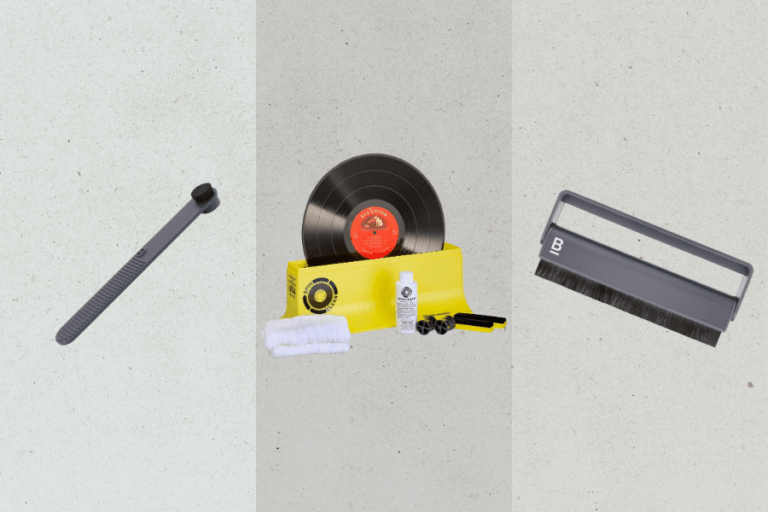
The best brushes feature dual rows of bristles to lift off dust, accompanied by a rotating arm to clear debris from the bristles. My go-to has been the Boundless brush, though many similar models function comparably.
It’s wise to clean new records lightly, too. Dechristofaro notes, “I also like to give a light cleaning to new records to remove static electricity that sometimes hangs around after being pressed. This will smooth it out, discharge any static, and make them play better.”
For Used Records: Use a Record Washer
For used records or those that have seen numerous plays, deeper cleaning is advisable. While pricier than spray solutions, the Spin-Clean Record Washer excels at removing grime without leaving residue.
The cleaning process involves mixing distilled water with a provided solution. Clean several records in one session—usually 10-15—and use lint-free cloths for drying. I use a dish rack for air drying before storage.
When applying pressure during cleaning, Dechristofaro advises moving with the grooves. For intensive cleaning, he recommends the VPI Record cleaning machine. Despite its high cost, it’s “worth every penny if you’re invested enough in records to want to have one.”
Between Plays: Proper Storage
Proper storage considerably extends the life of vinyl records. Store them vertically to avoid warping, and always handle them by the edges. Vinyl thrives in cool, dry environments.
Using quality inner sleeves protects against dust and scuffs. Since used records often have worn sleeves, replacing them can be beneficial. Dechristofaro recommends poly-lined inner sleeves.
Even when well-kept, records gather dust, so cleaning the stylus on your turntable is equally important. A basic stylus brush helps remove debris, and the Onzow Zerodust cleaner is effective for gently lifting dust from the stylus.
How Often Should You Clean Records?
Dechristofaro suggests thorough cleaning upon acquiring a used record. Otherwise, clean records when visibly dirty. “It really depends on how much you handle them. I DJ quite frequently, so those records get touched up quite a bit. Moral of the story, check on your old records occasionally, like they’re old friends you haven’t seen in a while.”
If excessive crackling or fuzziness is noticeable, a thorough cleaning is due. However, scratches on records are irreversible, so it’s crucial to inspect used vinyl before purchasing.