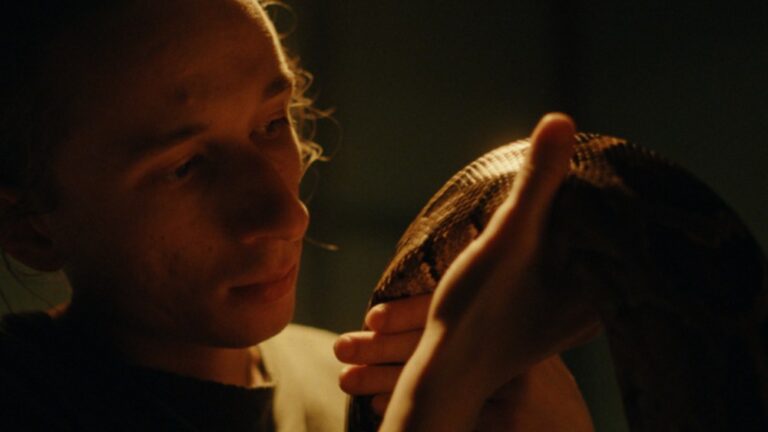
In a cinematic landscape increasingly brave in its portrayal of marginalized stories, “Places Half Empty” emerges as a poignant exploration of queer romance amid the stringent sociopolitical climate of Viktor Orbán’s Hungary. Directed by Hungarian filmmaker Dorka Vermes, with the esteemed Béla Tarr as executive producer, this film delves deeply into themes of love and belonging, painting a vivid picture of life under an oppressive regime. By spotlighting these nuanced narratives, the film captures the essence of human connection in challenging environments.
Crafting Intimate Narratives
Dorka Vermes, whose debut feature “Árni” earned a nomination for a Queer Lion Award at the 2023 Venice Film Festival, is pushing creative boundaries once more with her new project “Places Half Empty.” This film, garnering attention by winning the Eurimages Co-Production Development Award at the Sarajevo Film Festival’s CineLink industry strand, follows the lives of Noá, a struggling illegal cab driver, and Juli, a young woman battling familial constraints. Their unexpected romance becomes a lens through which the complexities of identity and belonging in Orbán’s Hungary are examined.
Challenges and Societal Pressures
The storyline confronts the harsh realities faced by Noá and Juli, two women navigating a society that often leaves no room for difference. As financial pressures mount and societal expectations loom, their relationship becomes a testament to resilience in the face of adversity. Vermes describes the film not merely as a commentary on queerness but as an exploration of how environment and politics shape the conditions of love and identity.
Creative Resistance and Independent Filmmaking
The film’s production is steeped in a backdrop of political resistance. Following the controversial decision to place Budapest’s University of Theater and Film Arts under government control, a wave of young filmmakers, including Lelkes and Vermes, sought avenues to preserve creative freedom. This led to the foundation of Non Lieu Film Productions and the FreeSZFE Society, both instrumental in the film’s independent funding and development. Their efforts highlight a defiant spirit among Hungarian filmmakers dedicated to storytelling despite oppressive circumstances.
A New Wave of Hungarian Cinema
The determination of this new generation of filmmakers is forging a path for Magyar cinema characterized by innovative storytelling and a commitment to independent film production. With Béla Tarr’s support, “Places Half Empty” bolsters this movement, its unique blend of melodrama and absurdity offering fresh perspectives on societal issues. Through such films, Hungarian cinema is not only surviving but thriving, showcasing resilience and creativity against the odds.
As they presented the project at Sarajevo’s CineLink Industry Days, the filmmakers behind “Places Half Empty” experienced a strong industry response. “We had a great chance to connect with producers, sales agents, and industry professionals interested in our story,” says producer Evelyn Balogh. Despite the obstacles, their message echoes strongly: “We are here.”