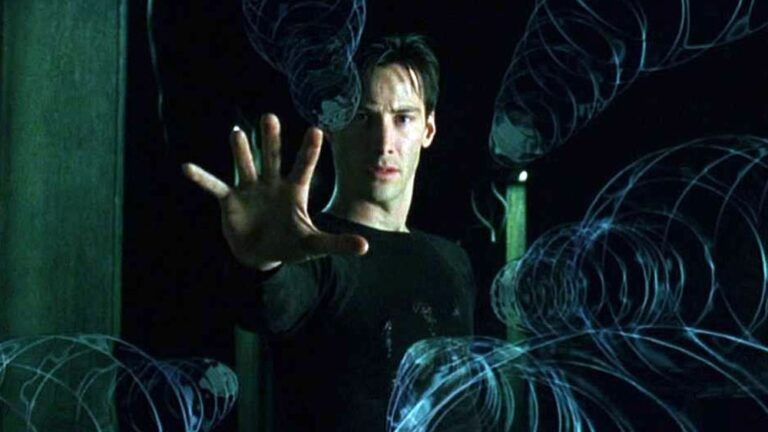
The Matrix Misunderstood: Lilly Wachowski Addresses Right-Wing Misinterpretations
In a recent conversation on the “So True with Caleb Hearon” podcast, Lilly Wachowski, one of the masterminds behind the iconic 1999 sci-fi film “The Matrix,” addressed how certain right-wing groups have misinterpreted the movie’s themes. The co-director expressed her perspective on detaching from her work once it enters the public domain, underscoring a notable instance of right-wing misinterpretations involving “The Matrix.”
Lilly Wachowski openly discussed how right-wing interpretations have latched onto “The Matrix,” yet she remains unfazed by these views. “You have to let go of your work. People are gonna interpret it however they interpret it,” Wachowski remarked. “I look at all of the crazy, mutant theories around ‘The Matrix’ films and the crazy ideologies that those films helped create and I just go, ‘What are you doing? No! That’s wrong!’ But I have to let it go to some extent … You’re never gonna be able to make absolutely every person believe what you initially intended.”
The Red Pill Phenomenon
An iconic scene from “The Matrix,” particularly the “blue pill or red pill” moment, stands out as a prime example of right-wing misinterpretations. Keanu Reeves’ character, Neo, takes the red pill to awaken from the simulated reality. In political circles, being “red pilled” is often used to signify a person who has allegedly awakened to societal truths, typically aligning with more extreme right-wing ideologies.
Original Intent vs. Misinterpretation
Wachowski has previously shared that the film’s “original intention” was meant as a transgender allegory. However, she isn’t shocked that right-wing misinterpretations have skewed this narrative, noting, “right-wing ideology appropriates absolutely everything.”
She elaborated on this notion: “They appropriate left-wing points of view and they mutate them for their own propaganda, for their own to obfuscate what the real message is. This is what fascism does. And so, of course, that’s going to happen.”
The enduring impact of “The Matrix” continues to surprise its creators, highlighting the complexities of audience interpretation in an era where art often becomes a canvas for differing ideologies. Wachowski’s reflections offer insight into how filmmakers navigate public perception and the unintended legacy of their work.