Many Olympic athletes face a unique challenge in maintaining relevance and financial stability once the spotlight of the Games fades. Their journey to sustain a career after their athletic peak involves careful navigation of social media, endorsements, and personal branding. This article explores how Olympians stay in the game when the Games are over, focusing on innovative strategies they employ to leverage their fleeting fame.
Building a Personal Brand
Back in 2005, Octagon initiated a groundbreaking project called Sick Tricks, aimed at boosting the visibility of its Olympic clients through video content. Snowboarders and skateboarders captured their daring stunts on tape, which were then uploaded online to promote their personal brands. This was before the age of smartphones and social media platforms like Instagram and TikTok.
The demanding process highlighted the lengths Olympians must go to in order to compete with athletes from more visible sports, like tennis or golf, who often have constant exposure. Olympic athletes typically burst into public consciousness every four years, leaving a narrow window to capitalize on their success through endorsements and social media.
Navigating the Content Landscape
In an era where professional athletes increasingly generate their own content, Olympians have long relied on strategic marketing to secure their legacy and income. Peter Carlisle, an Olympics agent with Octagon, emphasized the importance of marketing, saying, “It’s 100 percent of the revenues coming through marketing… Nothing’s going to come to you.”
For example, Michael Phelps, one of Carlisle’s clients, parlayed his success into various media ventures, including an autobiography and documentaries. Engaging consistently with the public is crucial for sustaining the momentum gained during the Olympics.
The Role of Social Media
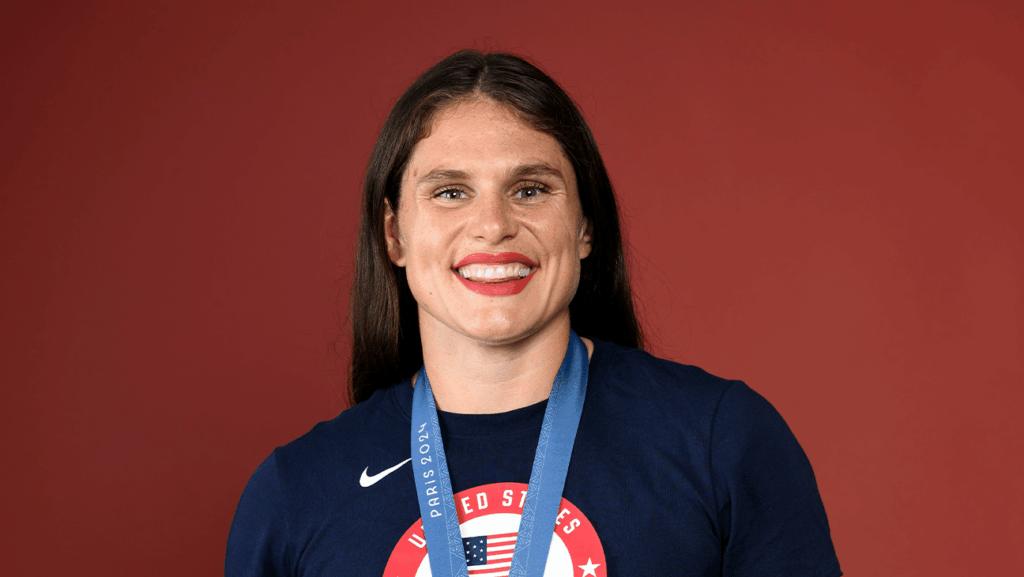
Olympians like Ilona Maher have mastered social media’s potential. Accumulating a combined 8.8 million followers on TikTok and Instagram, she leveraged her Olympic appearance to share relatable content, such as her viral take on the unique cardboard beds at the Tokyo Olympics. Maher’s approach combines athletic prowess with powerful content creation, promoting messages of body positivity and personal empowerment.
Her extensive output includes six to eight daily posts, appearances on popular shows like Dancing with the Stars, and even a documentary produced by Hello Sunshine. All these efforts have translated into significant revenue, largely through sponsorships and advertisements.
Opportunities and Challenges
Despite the challenges, Olympians can enjoy advantages over other athletes. Their association with national pride provides an appealing platform for brands eager to connect with patriotic sentiments. As Lowell Taub from Range Sports points out, the unique narrative of representing one’s country offers Olympians a compelling story that appeals to both media outlets and sponsors.
Even though their presence in the spotlight is limited, the impact can be profound. “A great Olympian might have a better window to exploit for six months every four years,” Taub notes. This temporary yet powerful exposure can offer more significant opportunities than those available to many professional athletes in more popular sports.
By harnessing the power of personal branding, strategic content creation, and smart marketing, Olympians can effectively extend their influence far beyond their competitive years. Through thoughtful engagement and storytelling, they continue to make their mark on the world stage, staying in the game long after the Games are over.