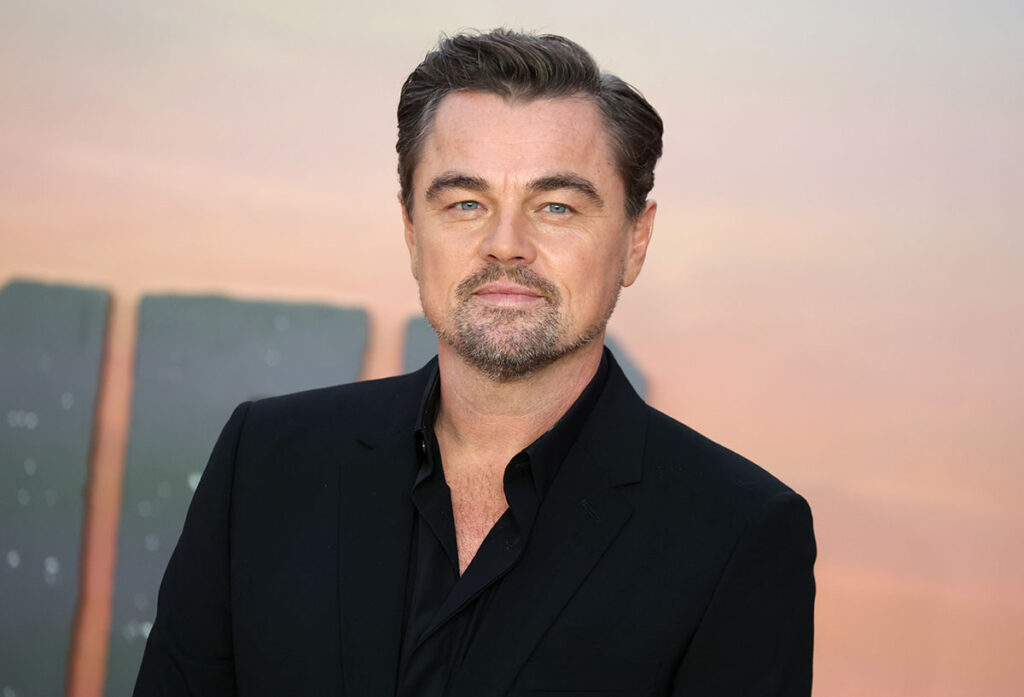
Leonardo DiCaprio is raising alarms about the future of theaters as streaming services increasingly dominate the entertainment landscape. His concern stems from the radical changes reshaping Hollywood and the dwindling attendance figures that threaten the cinematic experience. The debate surrounding the viability of traditional cinemas is fueled by the rise of instant streaming options, and DiCaprio’s insights shed light on the ongoing struggle to maintain the big screen’s importance in an increasingly digital world.
Leonardo DiCaprio on the challenge to cinema in the streaming age
Leonardo DiCaprio has emerged as a vocal advocate for the big screen, expressing his worries about the fate of movie theaters in a streaming-centric era. In an interview on January 12, 2026, he pondered the rapid evolutions within the film industry and the alarming drop in theater attendance. The pivotal question remains: Are traditional cinemas losing the battle to the allure of on-demand streaming?
A shifting cinematic landscape
The film industry is undeniably experiencing turbulent times. The CNC has reported a significant drop in theater attendance across France in 2025. The disruption caused by events like the 2023 writers’ strike has only intensified the situation, leading to postponed releases and altered production timelines. Streaming platforms such as Netflix and Apple TV+ have exacerbated these issues, providing viewers with unparalleled convenience from their homes.
Fellow filmmaker Paul Thomas Anderson has also sounded warnings about these industry changes. Movies that once thrived in cinemas, particularly mid-budget dramas, now face truncated theatrical releases or forgo theaters entirely. This raises critical questions about the long-term implications for how stories are consumed and enjoyed.
DiCaprio’s reflections
In his recent statements, DiCaprio conveyed significant concern regarding the potential obsolescence of theaters. He pointed out the stark difference between the immersive experience of watching a movie in a theater and the often fragmented, passive experience offered by streaming. Known for supporting films that warrant a big-screen experience, DiCaprio fears that audiences are increasingly prioritizing convenience over the communal atmosphere of cinemas.
This concern is reflected in box office statistics as well. While there have been some successes, like “One Battle After Another” earning $205 million globally, the figures for many projects remain disappointing. Films with smaller budgets often struggle, underscoring the reliance on blockbuster releases to attract theater-goers.
The industry’s response and looming changes
The film industry is actively seeking solutions. Filmmakers like Denis Villeneuve, Christopher Nolan, and James Cameron are focused on creating event films designed to lure audiences back to theaters. Anticipated blockbusters such as “Avatar 3,” “Spider-Man: Brand New Day,” and “Dune 3” are poised to provide the kind of cinematic spectacle that streaming cannot replicate.
Nonetheless, apprehensions persist regarding the industry’s future. Speculation about a potential Warner Bros. acquisition by Netflix has raised concerns about its implications for theatrical releases. Industry analysts caution that such moves could further blur the distinctions between streaming and cinema, possibly jeopardizing the latter’s survival. Despite these challenges, efforts to reinvigorate theater attendance continue, with high-profile releases and innovative marketing strategies fostering optimism.
The road ahead for cinemas
Yet, the future of movie theaters remains uncertain. DiCaprio, always committed to championing cinema, plays a pivotal role in this ongoing conversation. His upcoming collaborations—like Martin Scorsese’s “What Happens at Night” and Michael Mann’s “Heat 2”—highlight his steadfast belief in the enduring power of theatrical storytelling. As both filmmakers and audiences adjust to this new reality, the future trajectory of theaters and streaming will depend on their ability to coexist and enhance each other’s offerings.