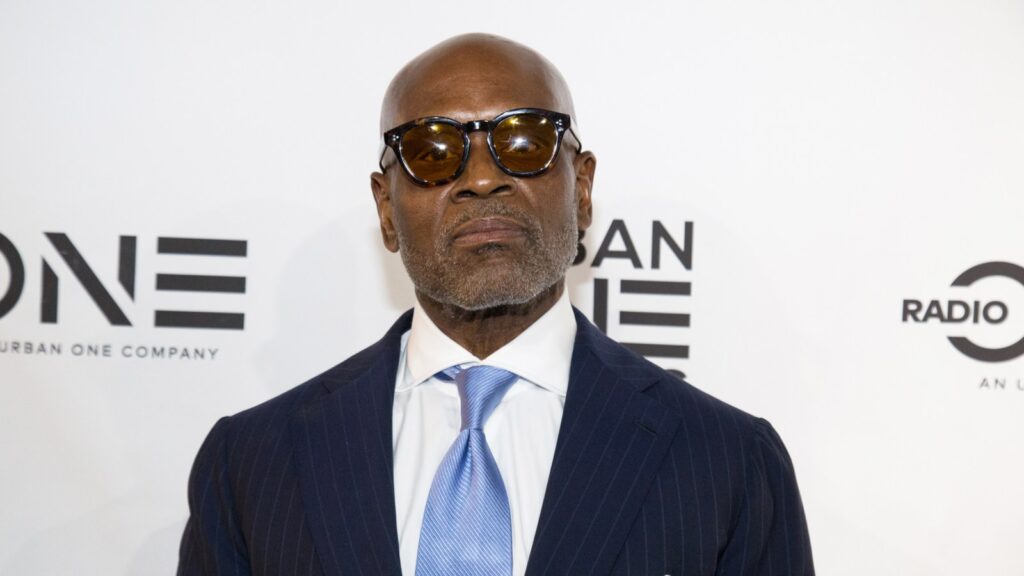
In a significant development in the music industry, L.A. Reid has settled a sexual assault lawsuit brought against him by Drew Dixon, a music executive known for her work on hits like Method Man and Mary J. Blige’s classic “I’ll Be There for You (You’re All I Need).” The settlement comes just as their trial was set to commence in a Manhattan federal court, marking a pivotal moment in the high-profile case. This settlement, concluded without any admission of liability, is the latest chapter in a series of legal issues surrounding prominent figures in the entertainment world.
Settlement Reached Before Trial
On the very day the trial was set to begin, both parties came to an agreement. Reid’s attorney, Imran H. Ansari, communicated that “Mr. Reid has amicably resolved this matter with Ms. Dixon without any admission of liability.” The terms of the settlement remain confidential, according to Dixon’s lawyer, Kenya Davis, who spoke outside the court on Monday afternoon.
After discussions extending several hours in the courthouse cafeteria, Dixon and her legal team reached the settlement. Dixon expressed her gratitude, saying, “I am deeply grateful to my mother and children for their enduring love and support.”
Allegations and Legal Battle
Dixon, who previously served as the vice president of A&R at Arista Records, filed the lawsuit against L.A. Reid in November 2023. She accused Reid of initiating unwanted advances soon after he became CEO in 2000, which she claims escalated to sexual assault. Dixon alleged in court papers that she consistently rejected Reid’s advances, and in retaliation, he attempted to derail her career, including thwarting her efforts to sign artists like John Legend.
Reid has denied these allegations. Notably, Dixon also accused hip-hop mogul Russell Simmons of rape in a 2017 New York Times article, where she mentioned Reid’s alleged harassment. Reid responded by apologizing if his words were “misinterpreted,” though he did not directly address her complaints, per reports.
Early Encounters
According to the lawsuit, inappropriate behavior from Reid began soon after his appointment at Arista. Dixon described initial instances where Reid asked her to accompany him to industry events and assist with finding an apartment, a request she found unusual but complied with. During apartment viewings, Reid’s flirtatious behavior was reportedly so blatant that it drew comments from the realtor.
One particularly unsettling incident involved a flight to a company gathering in Puerto Rico, during which Dixon found herself alone with Reid despite expecting other executives to join. According to Dixon, Reid then engaged in unwanted touching and other inappropriate actions, leaving her in a state of shock.
Moving Forward
Back in New York, Dixon struggled to evade Reid’s advances, which allegedly led to professional retaliation marked by public embarrassment and a lack of courtesy. One significant incident allegedly occurred during a car ride home, where Reid, undeterred by the presence of a driver, again attempted unwanted advances.
Despite these challenges, Dixon is optimistic about her future. “Music has always been my greatest source of comfort and joy,” she remarked following the settlement. She expressed enthusiasm about returning to her passions within the industry, driven by creativity and integrity, and continuing her work in sexual assault advocacy.